
Outdoor Planters for
Different Applications
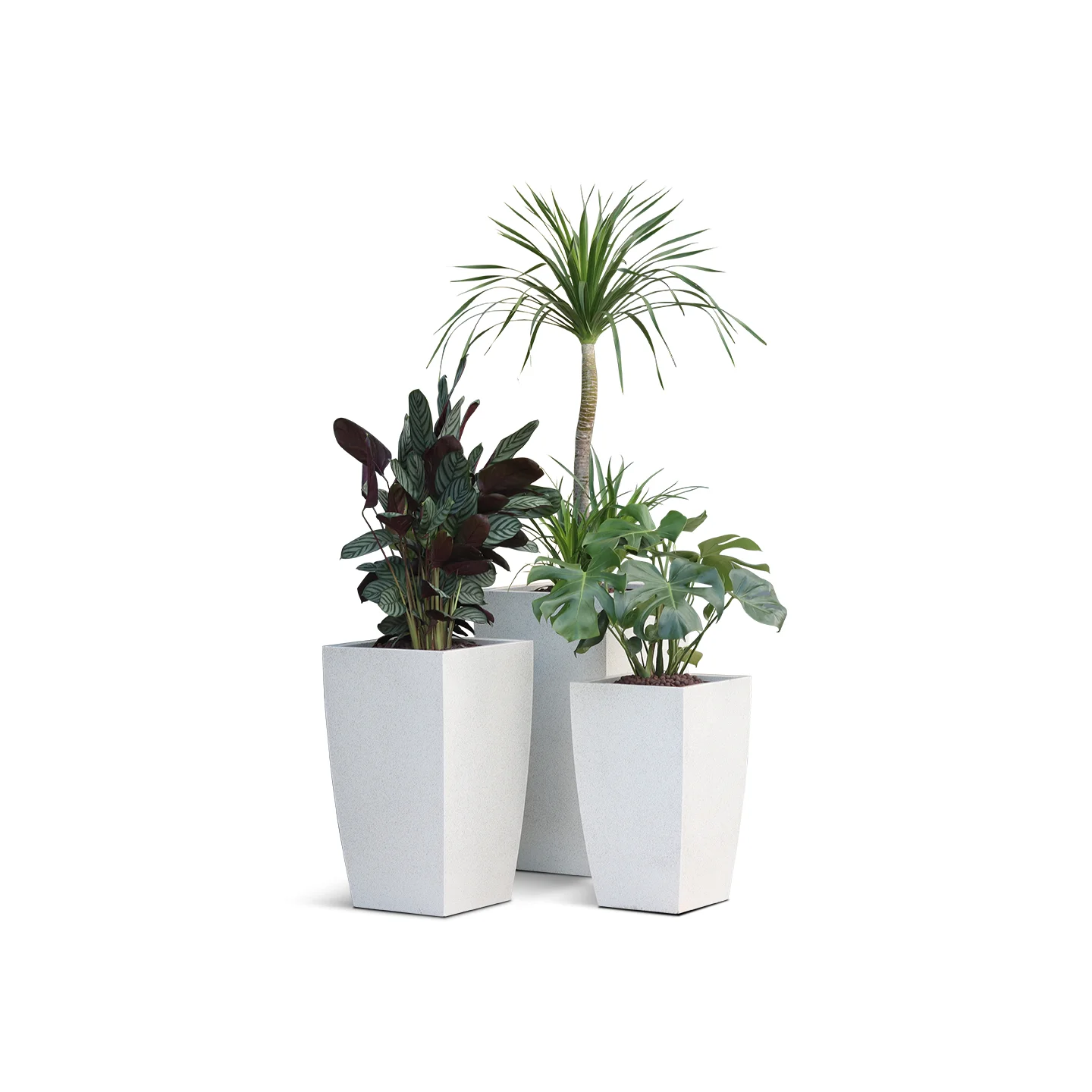
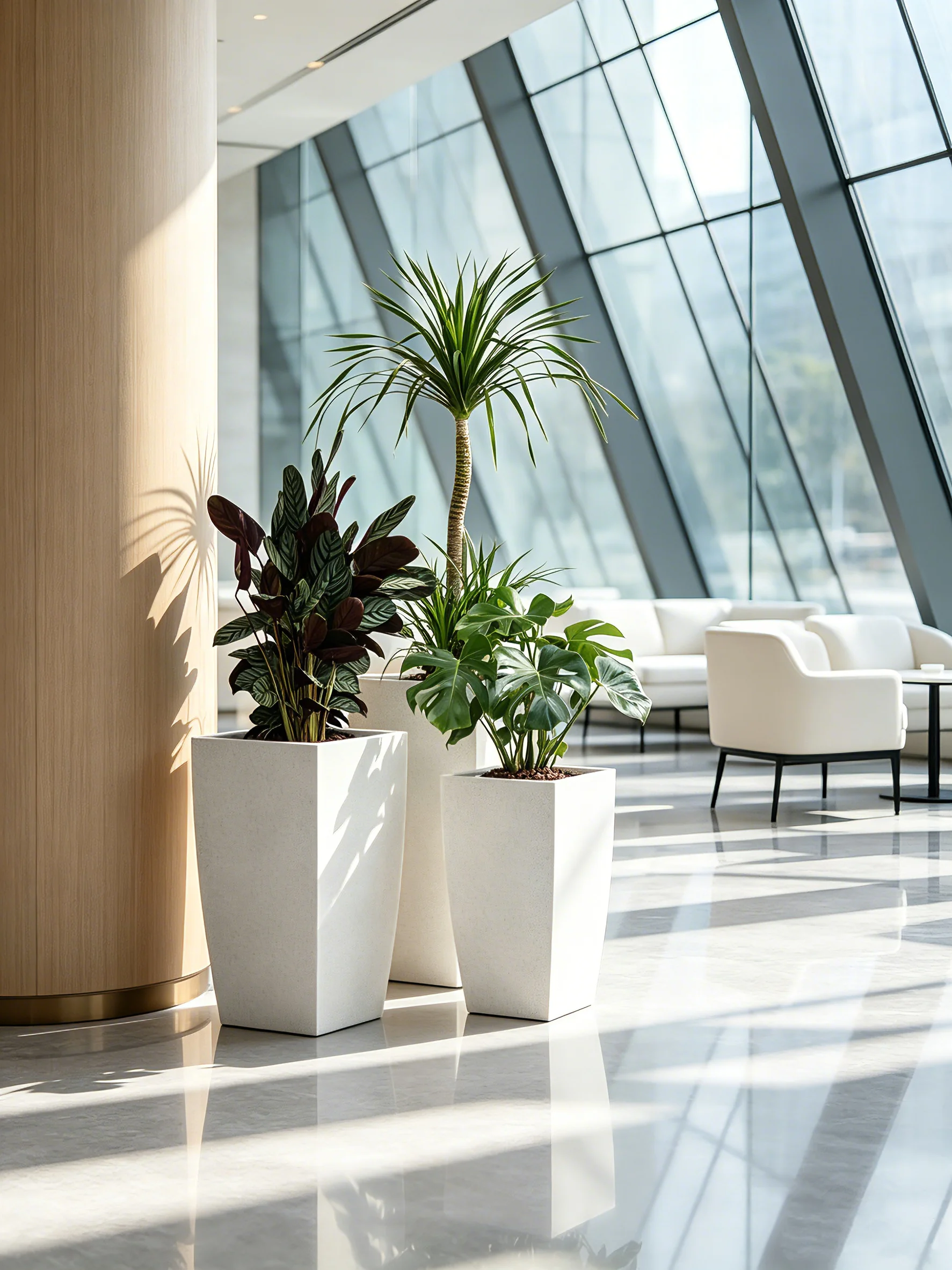
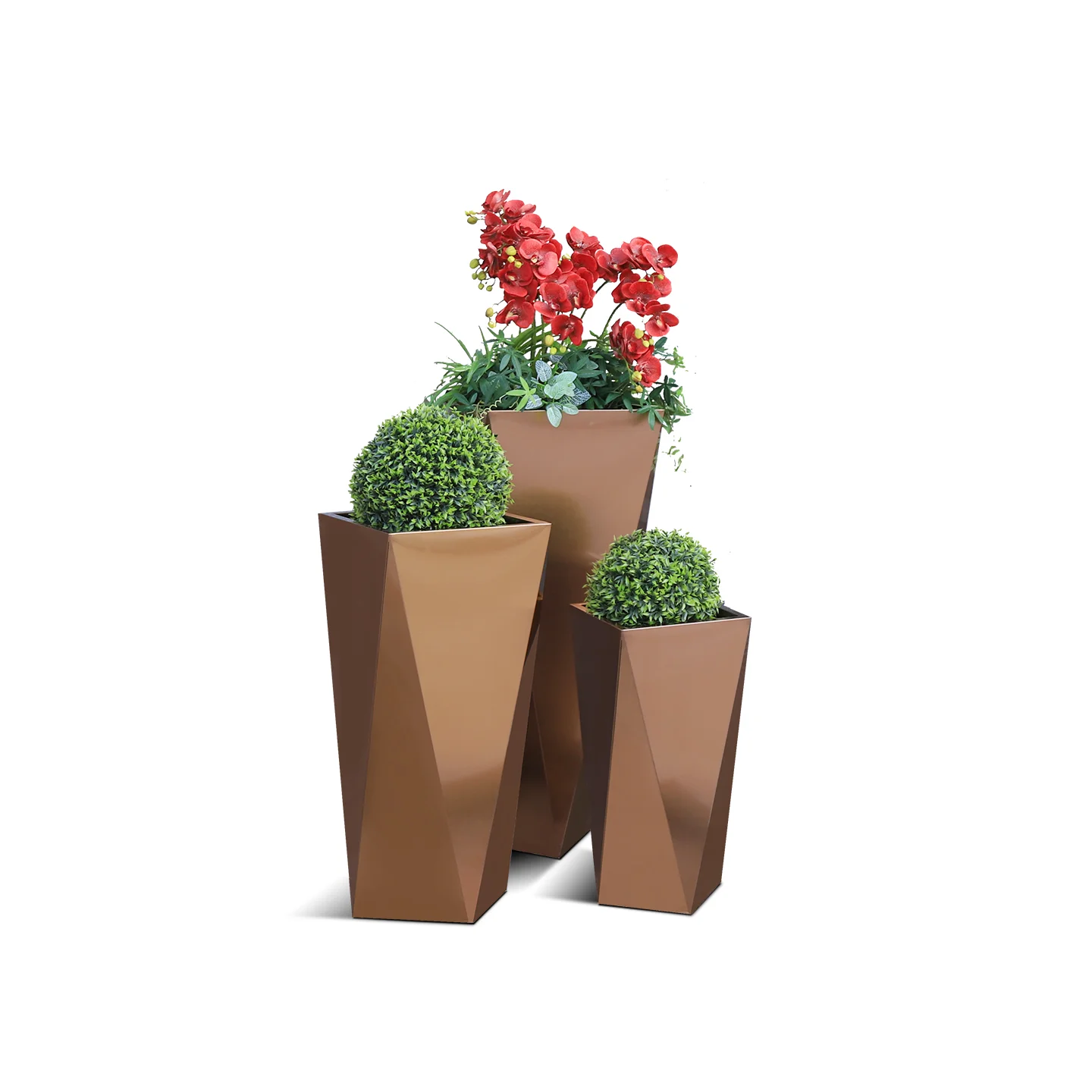
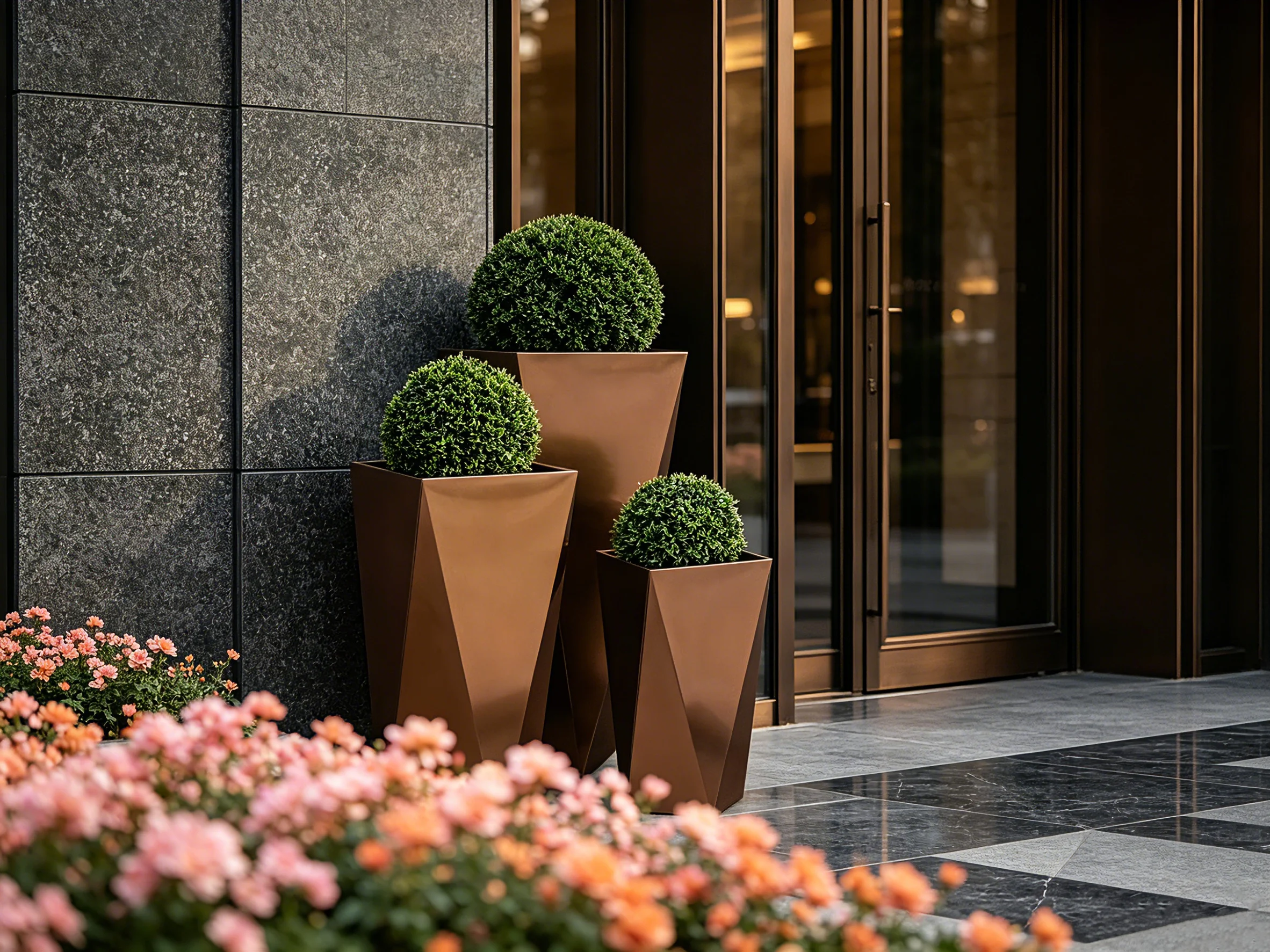
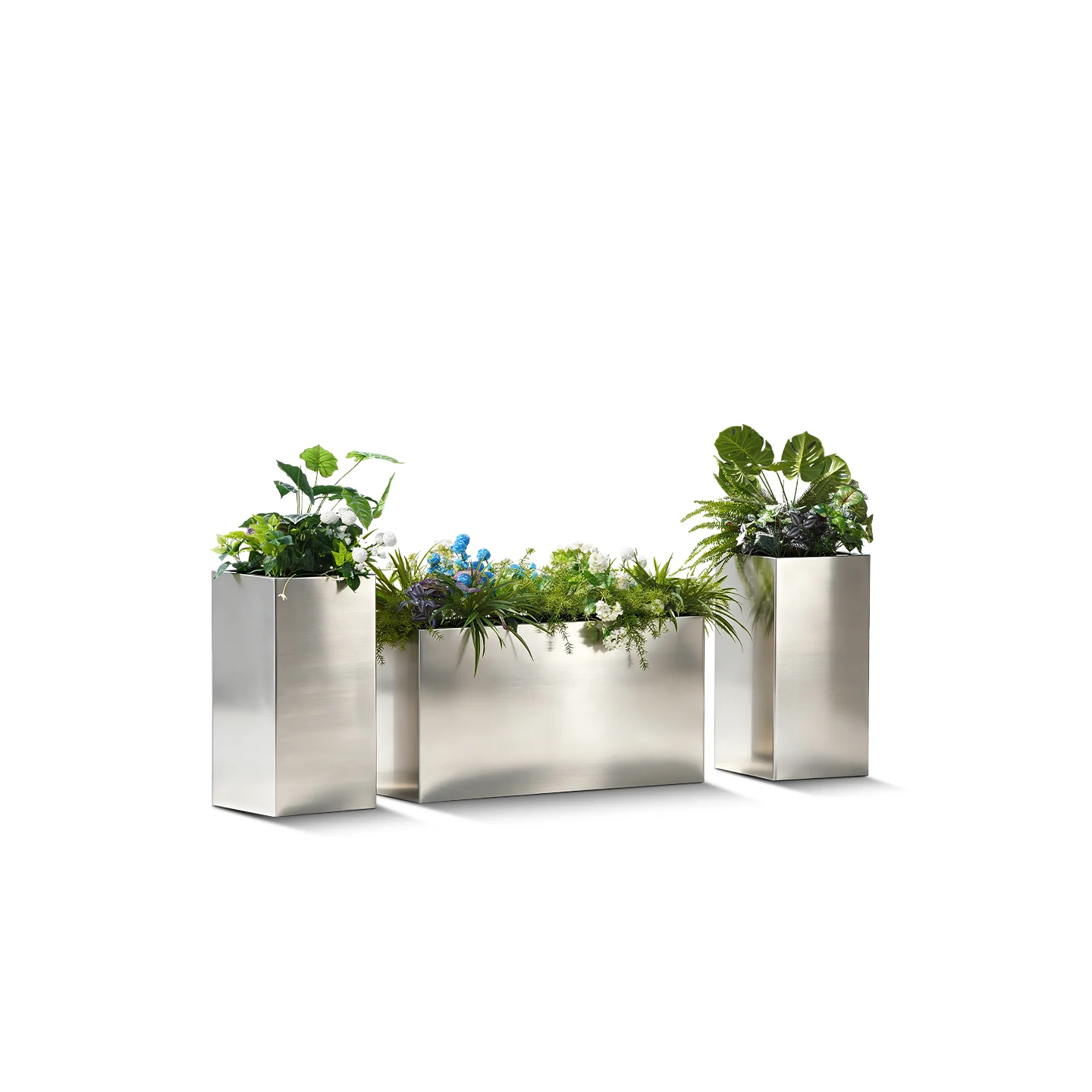
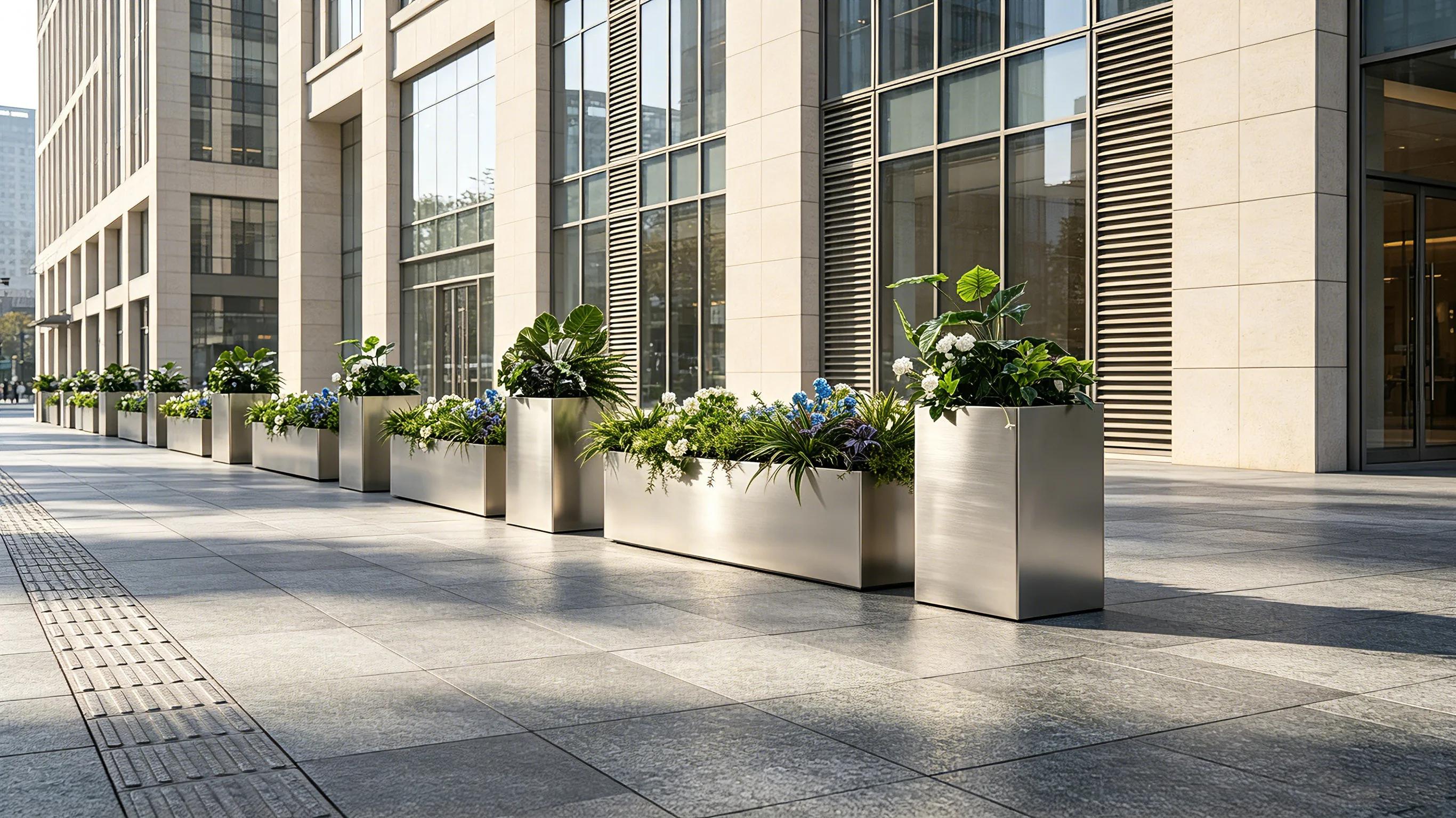
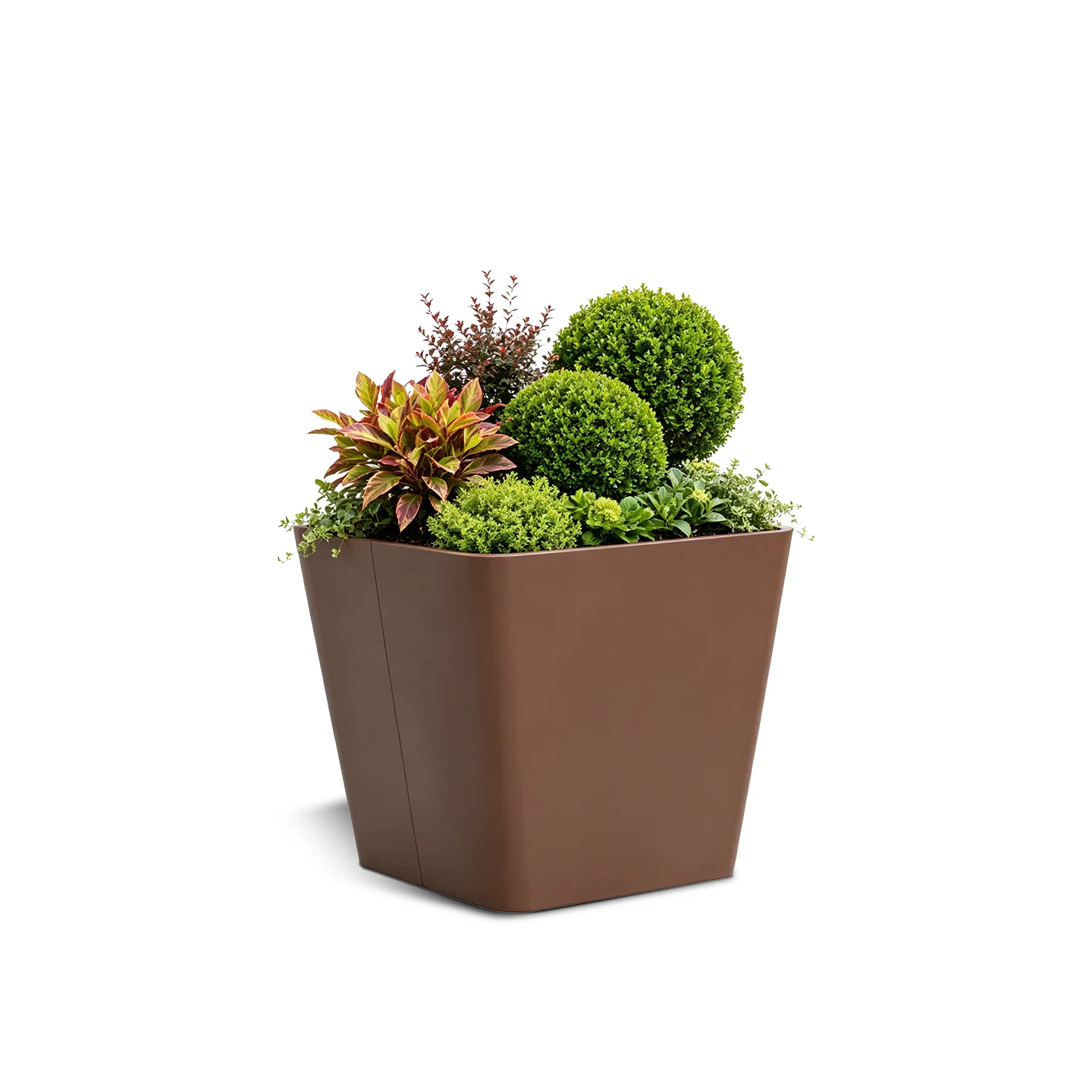
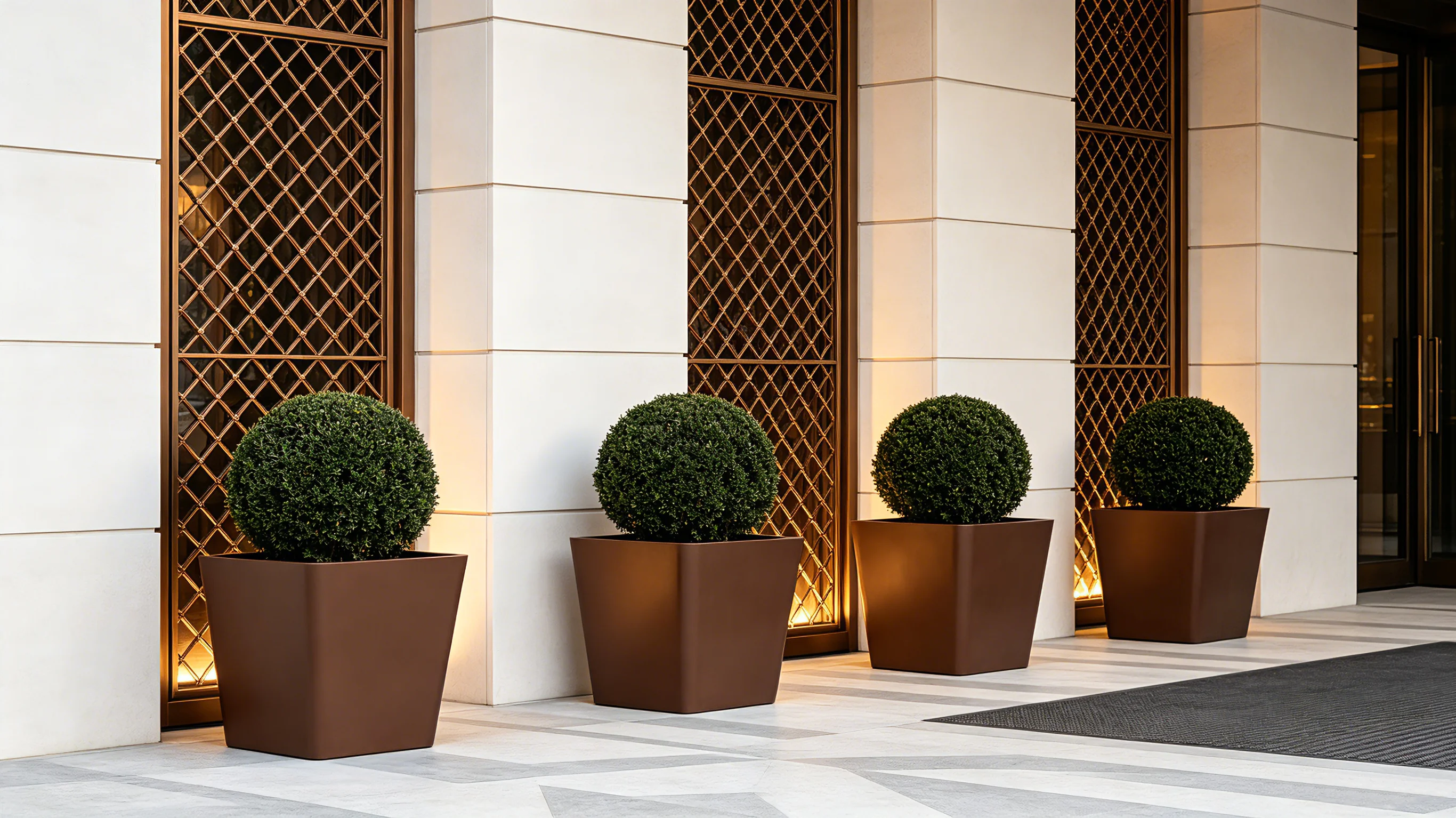
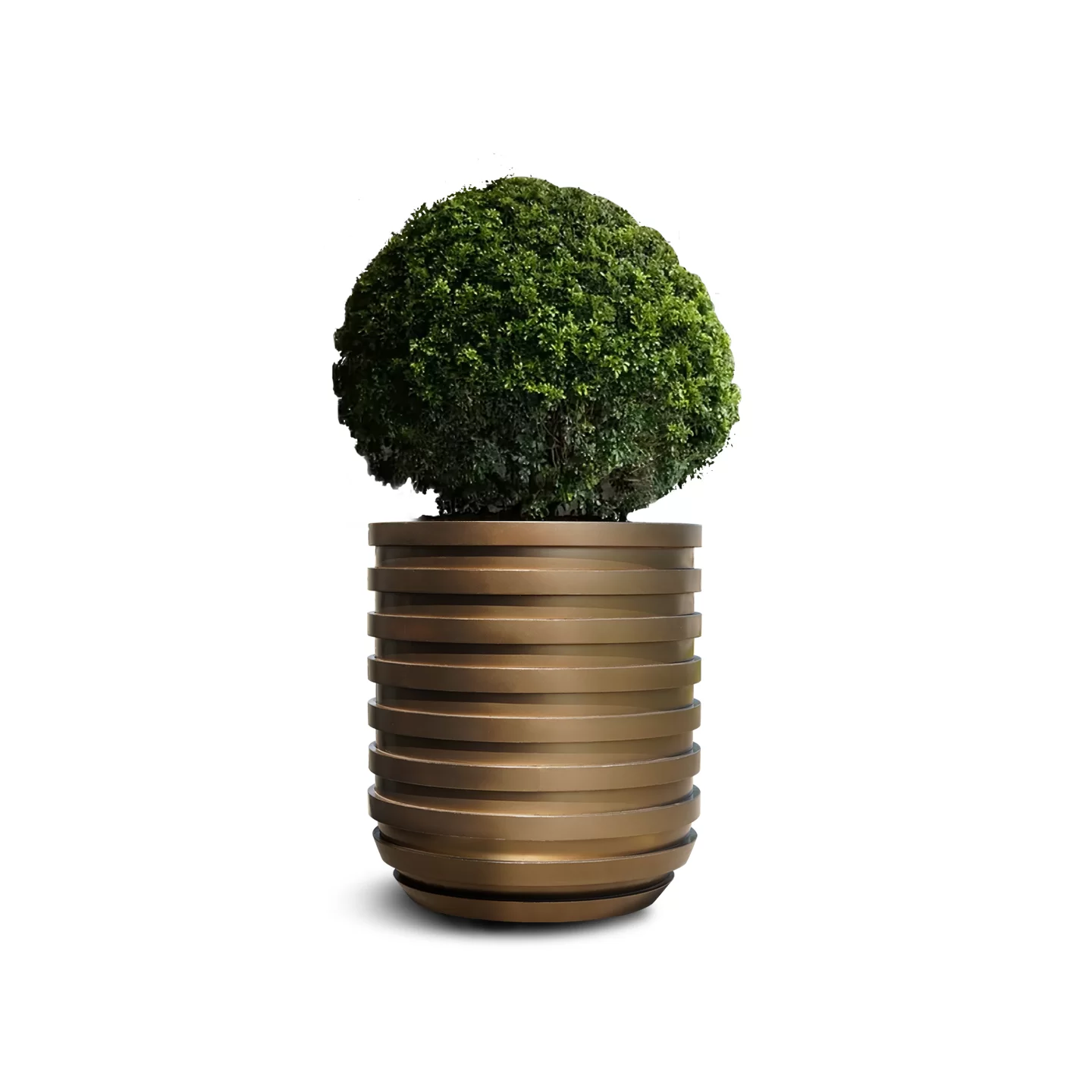
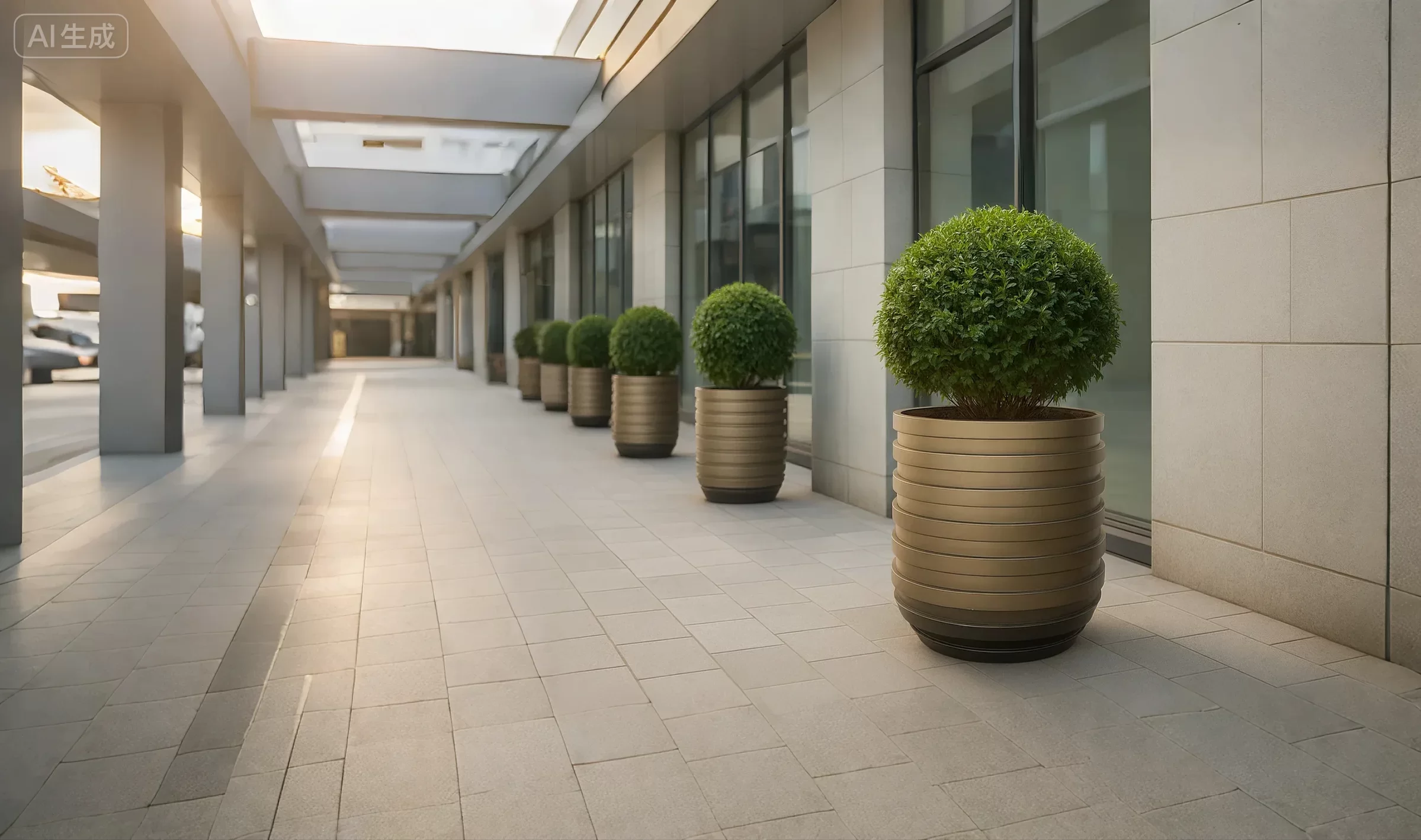
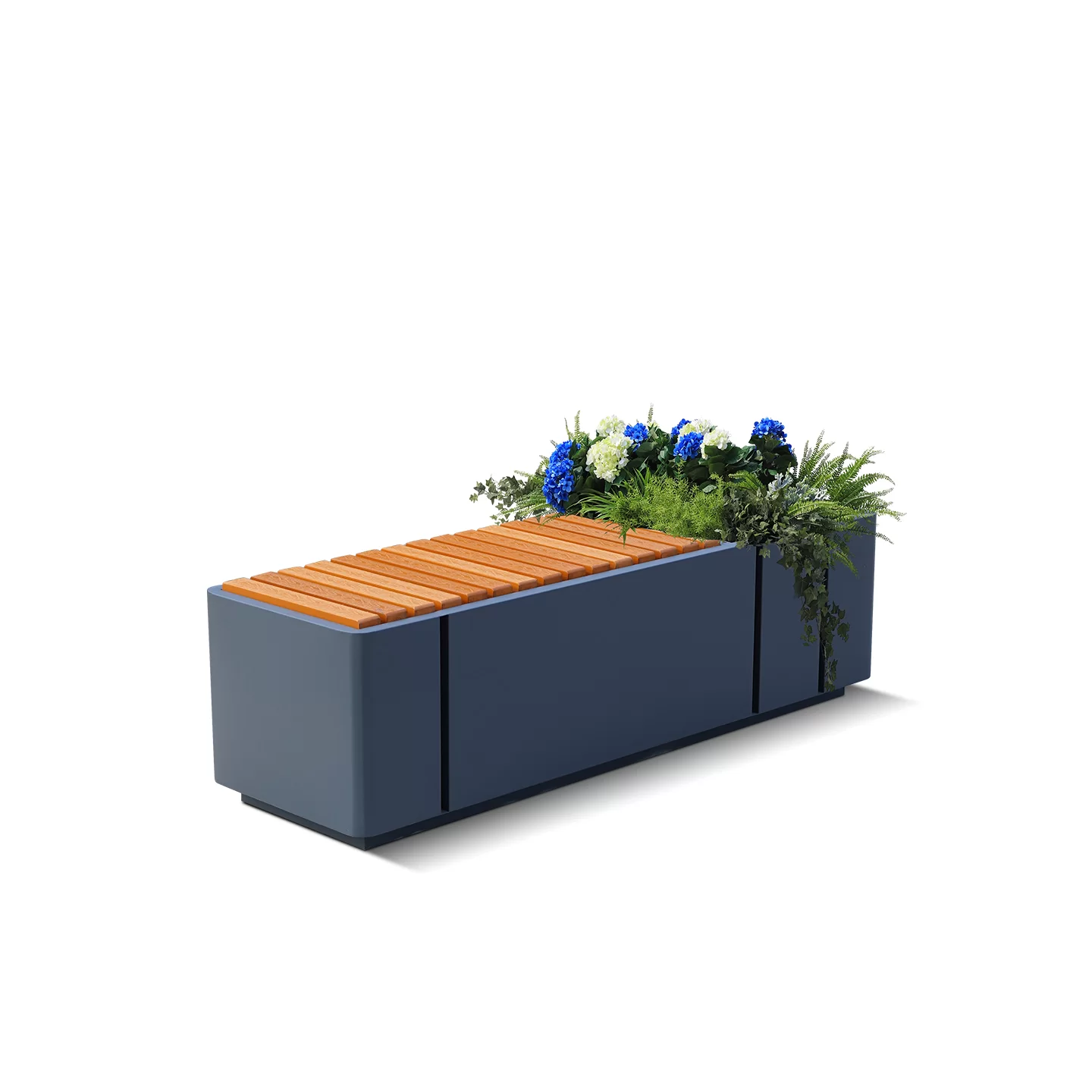
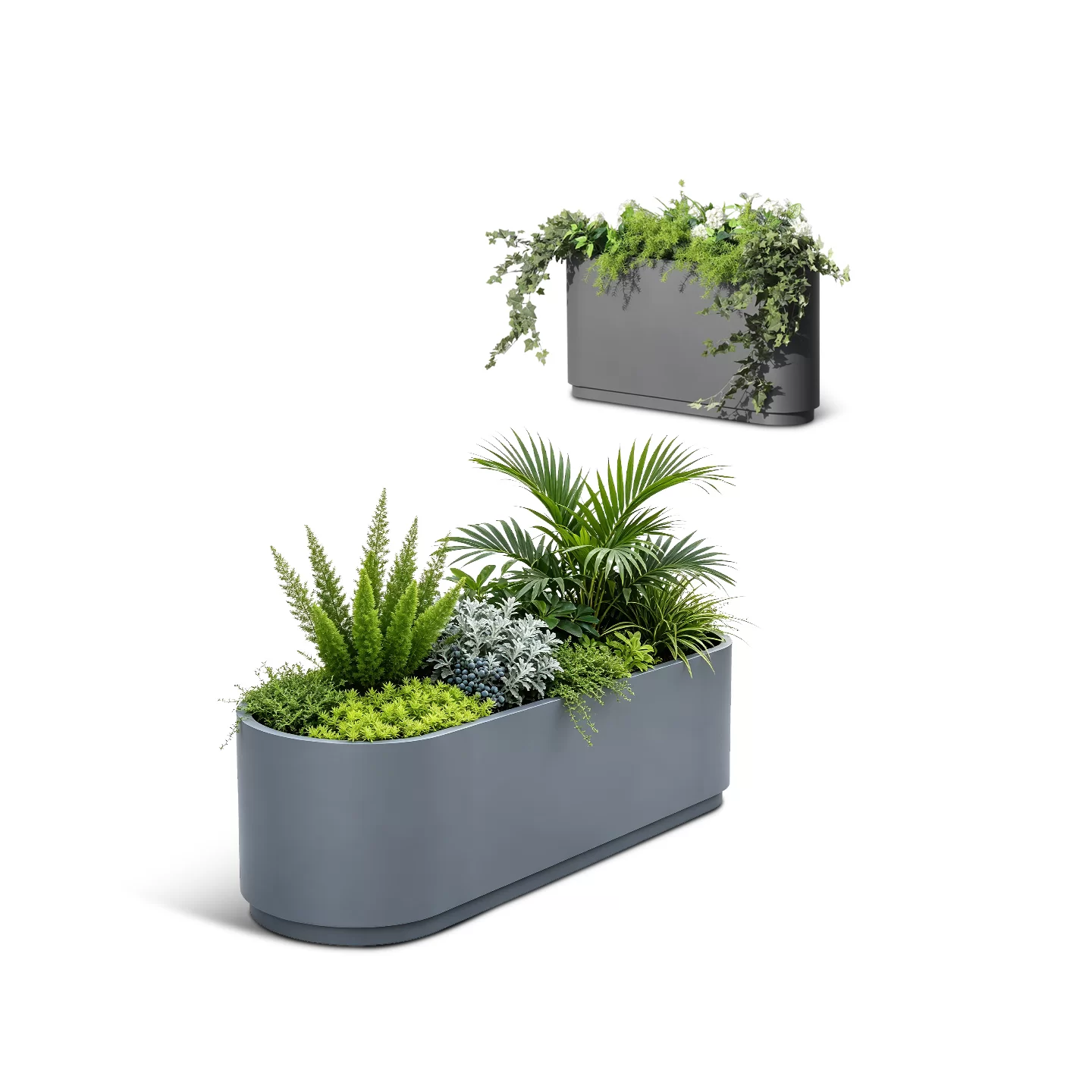
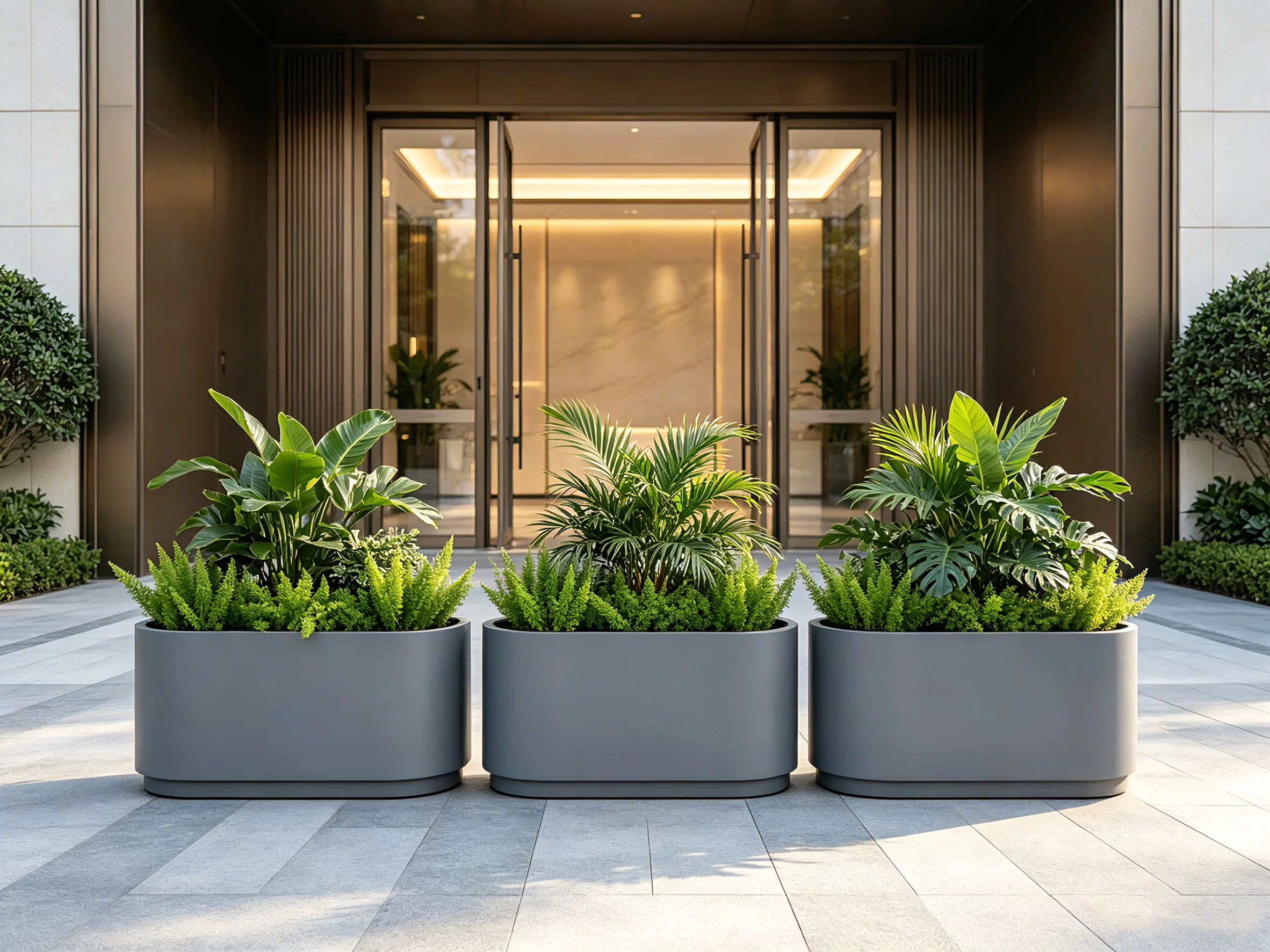
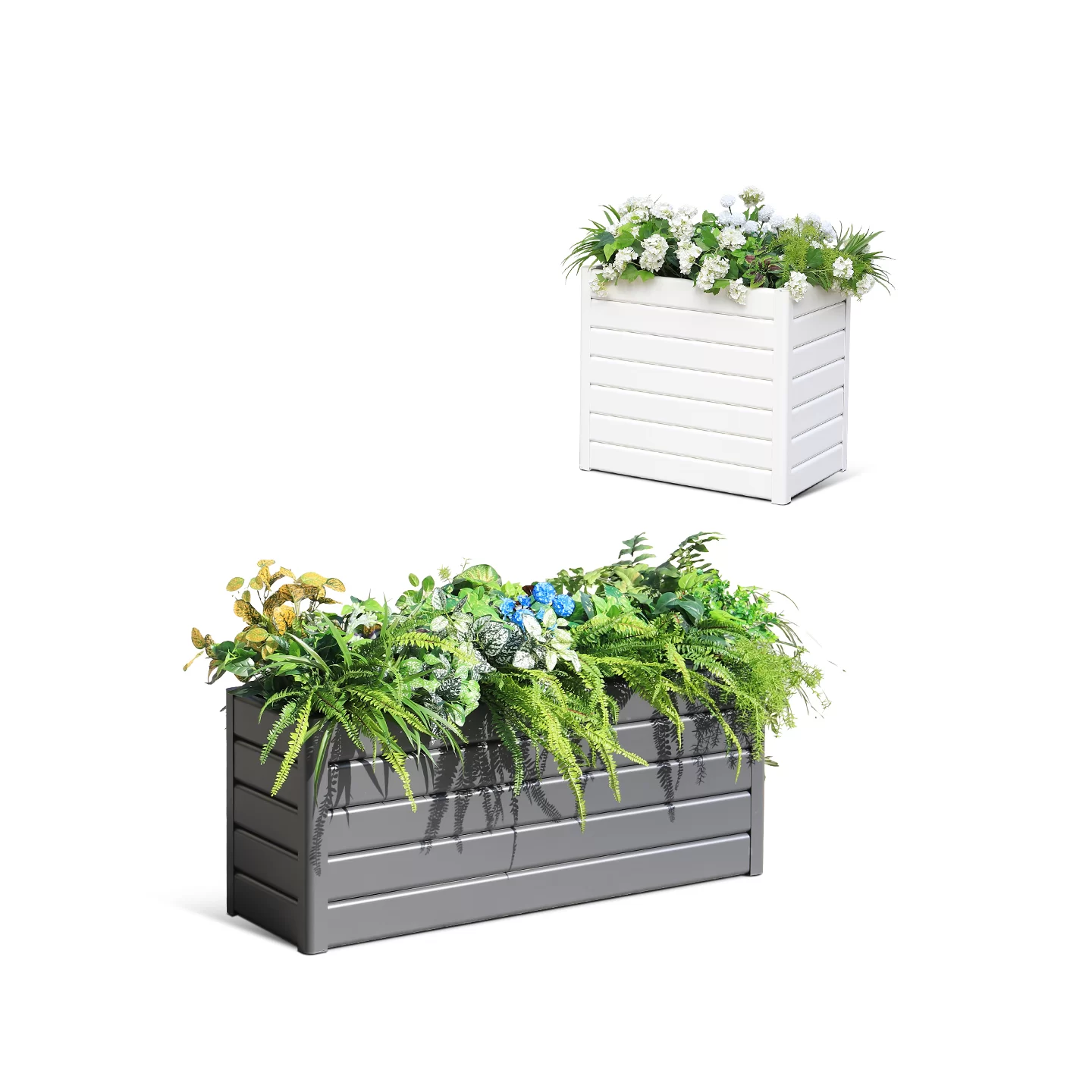
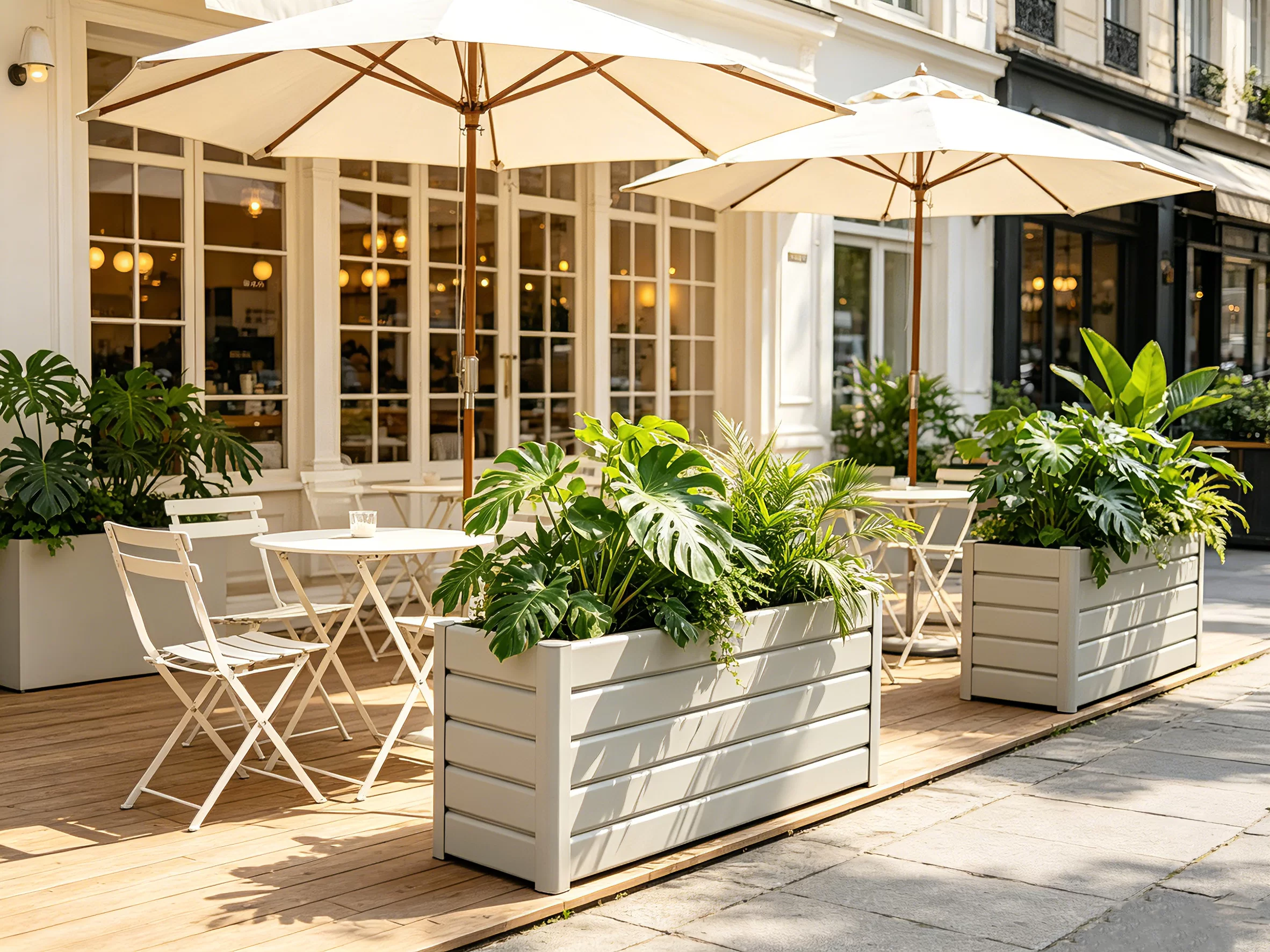
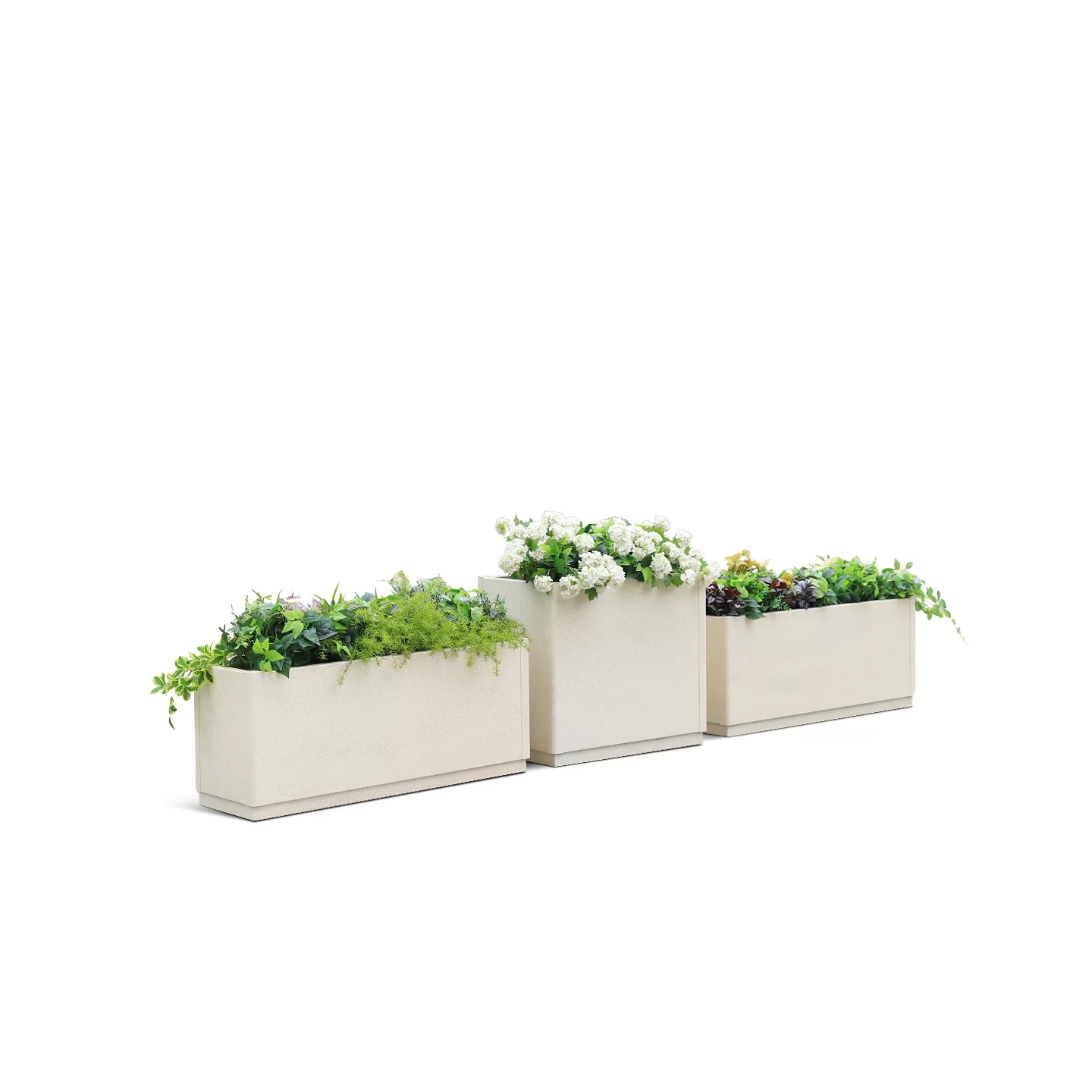
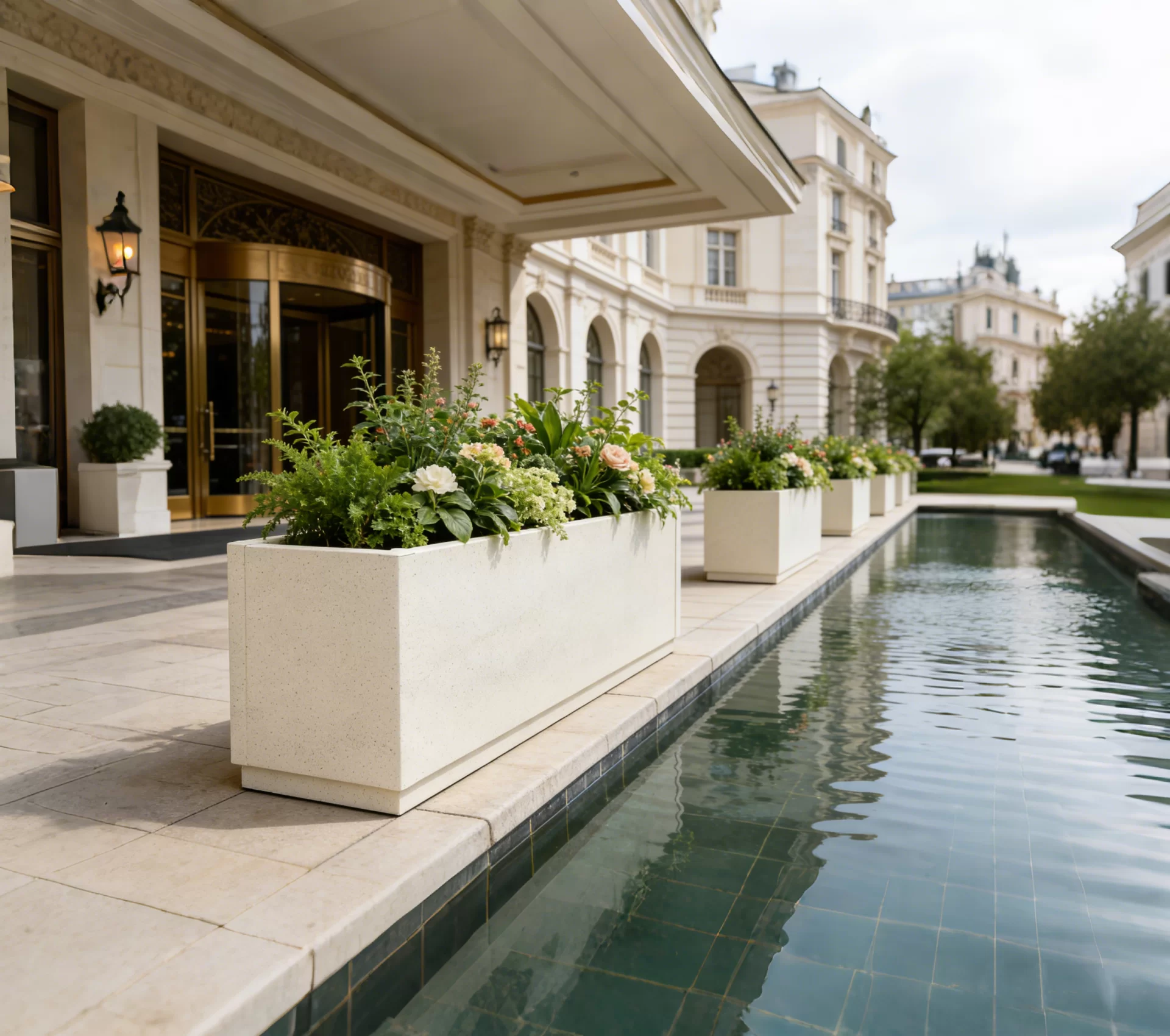
Designed for both aesthetics and long-term outdoor use, LVEN planters can be customized to match different project requirements.
FAQs
For Trash Bins
Still have a question?
Don't worry. We are free for consultation. Just click on button below.
Contact UsCan planters be matched with other public furniture for bulk projects?
Yes. Planters can be coordinated with trash bins, park benches, bicycle racks, and other public furniture in color, material, and design style. This makes them ideal for municipal projects, parks, commercial districts, and real estate developments that require a unified outdoor space solution.
How do outdoor planters ensure durability?
Outdoor planters need to withstand rust, corrosion, UV exposure, and structural stress. LVEN uses complete processes including metal fabrication, welding, grinding, and powder coating, with surface treatments that improve weather resistance for long-term outdoor use.
Can planters be combined with seating?
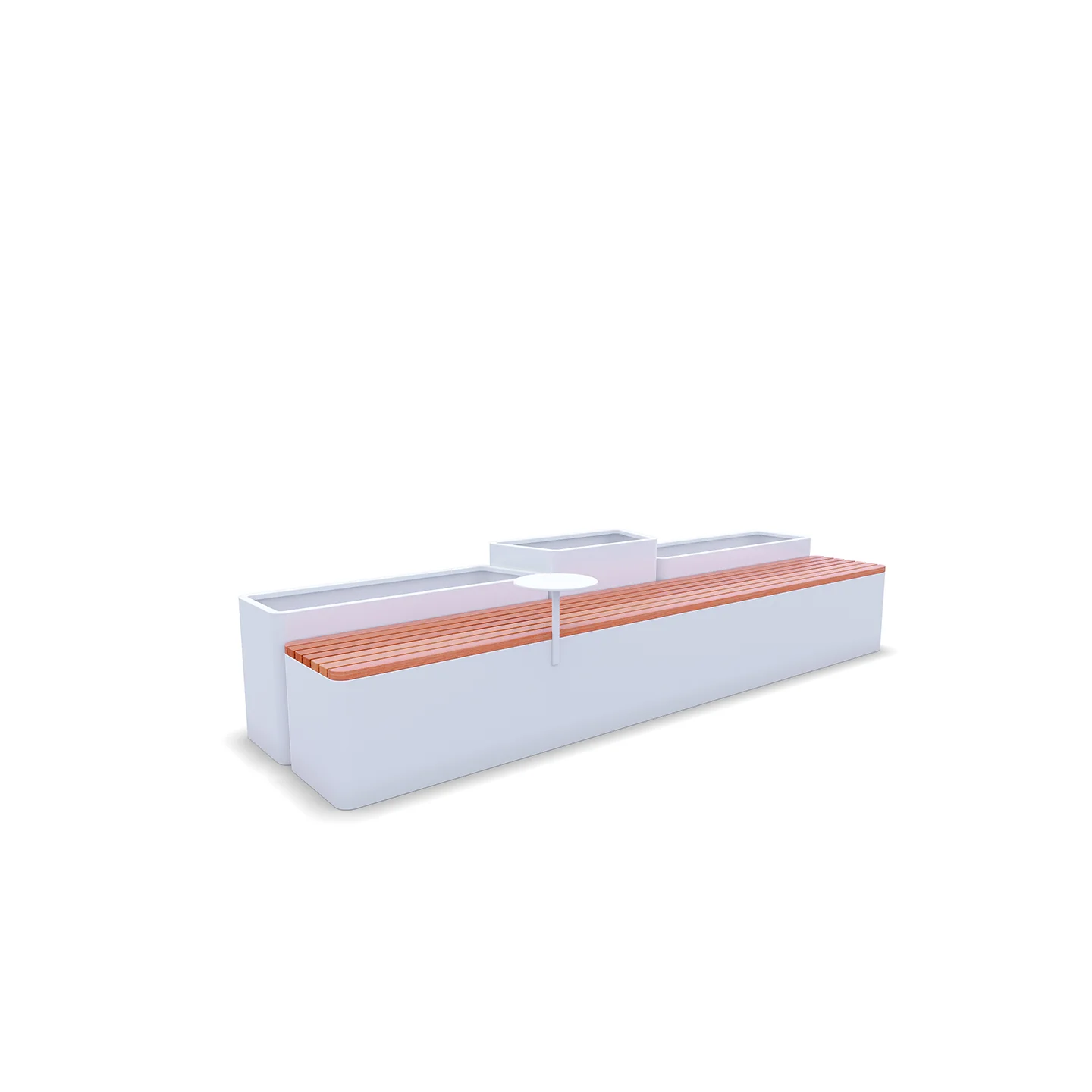
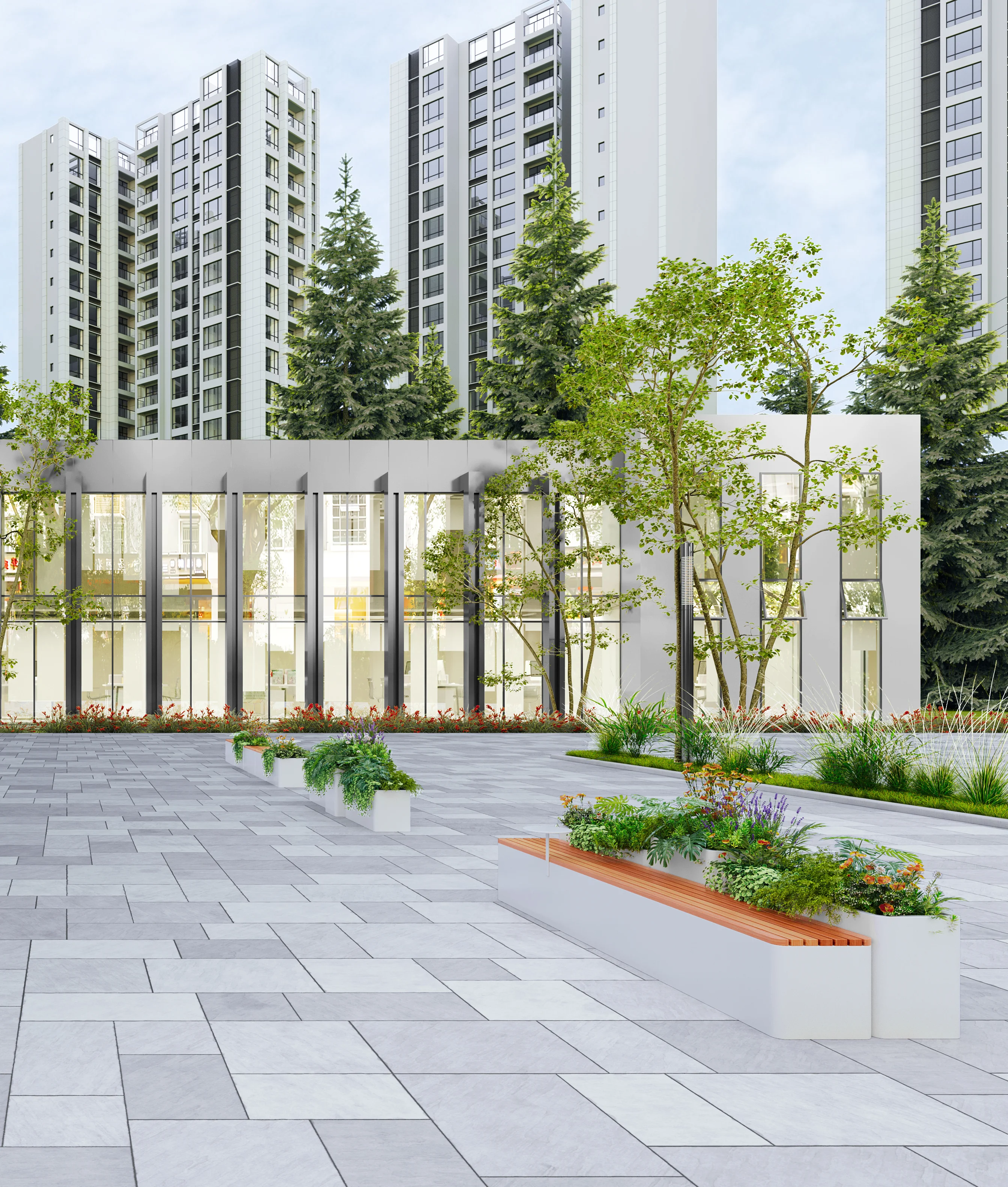
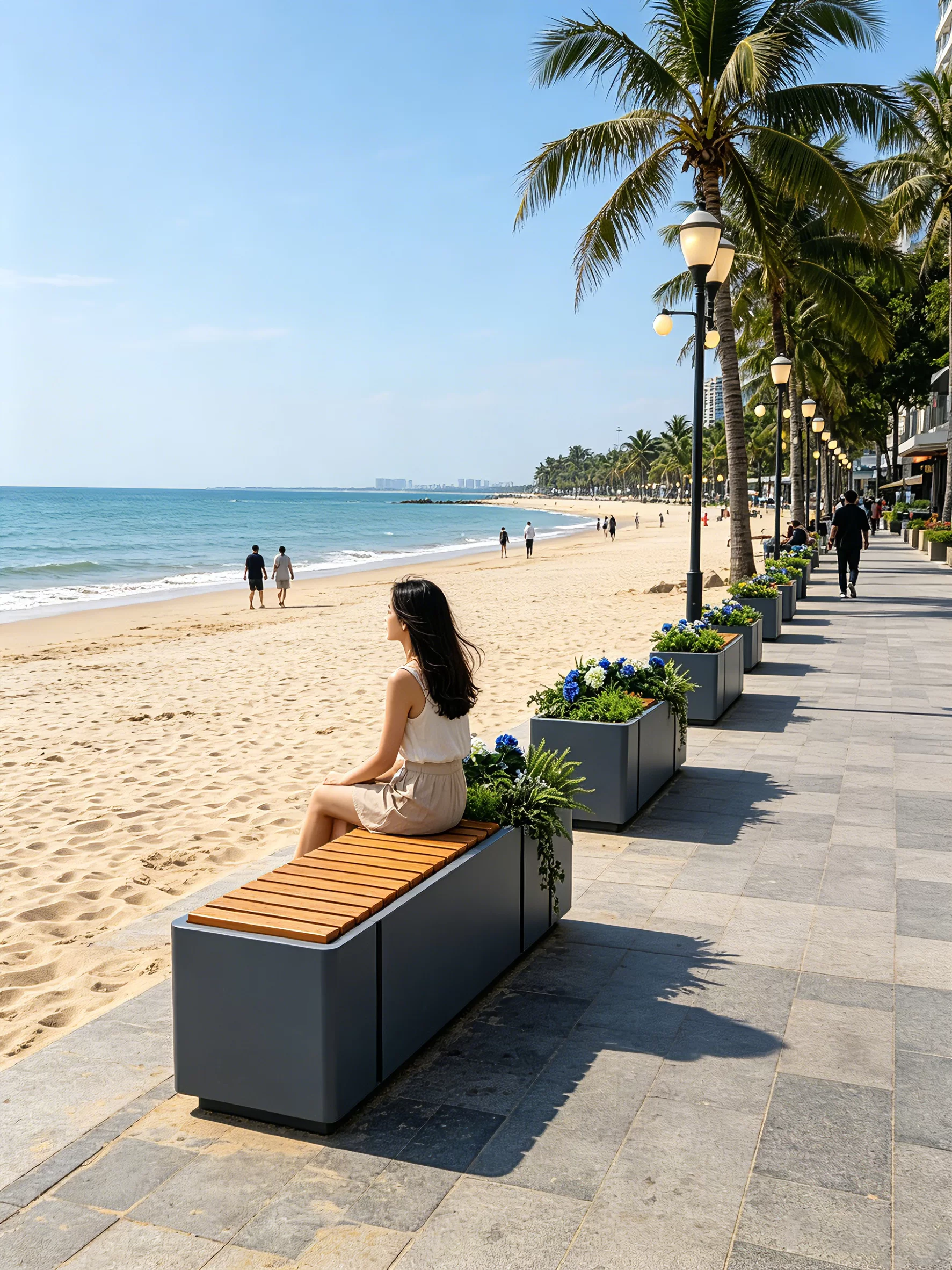
Yes. Planters can be integrated with seating to create a “greenery + resting” public space module. This is ideal for commercial streets, park entrances, plazas, scenic areas, and other places where a better visitor experience is needed.
Can planters be customized in size and color?
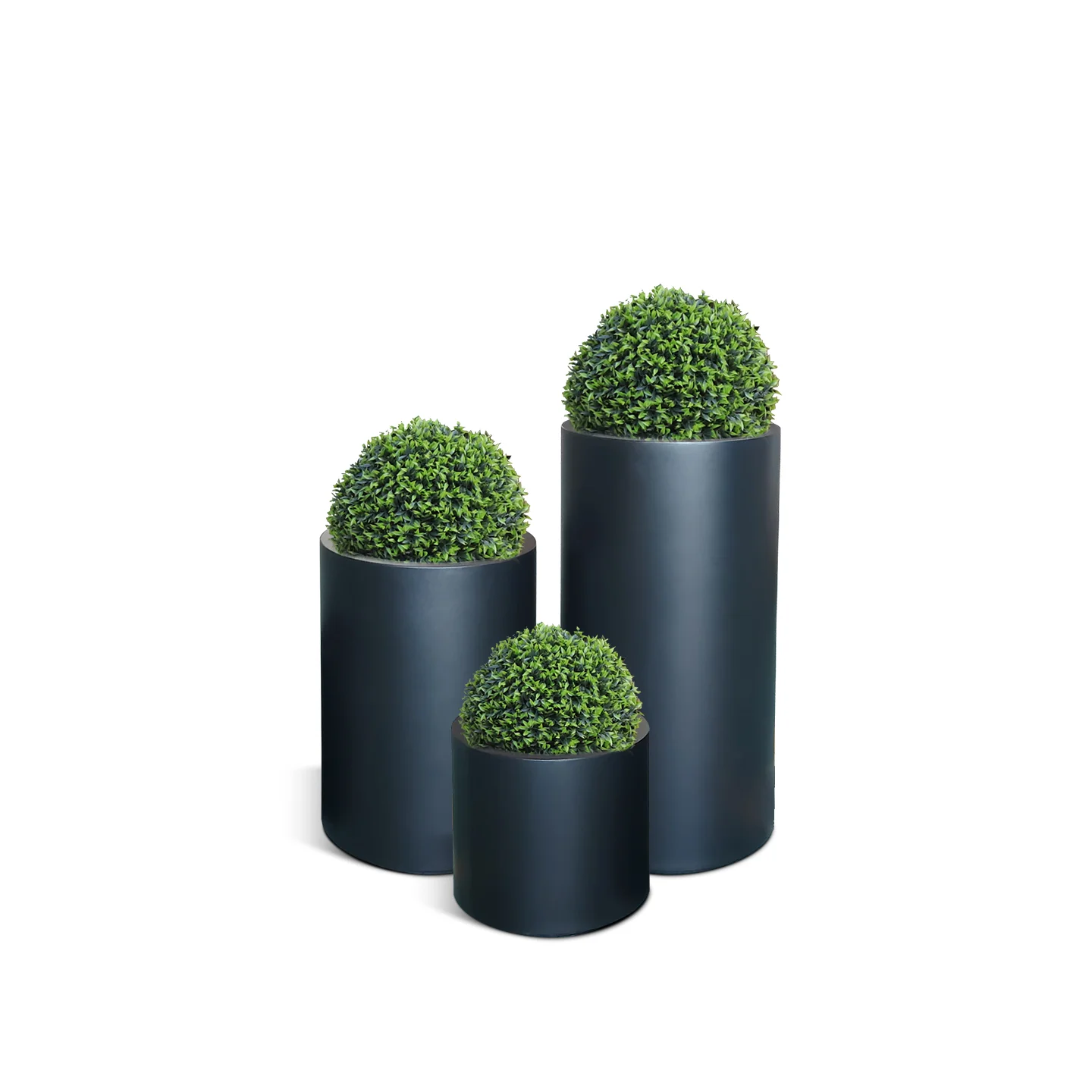
Yes. LVEN supports customization of size, material, color, surface finish, structure, and branding. Depending on the project style, you can choose wood grain, stone texture, solid powder-coated colors, or metallic finishes.
What materials are available for planters?
Common materials include aluminum, galvanized steel, and stainless steel. Aluminum is relatively lightweight and ideal for commercial and landscape projects. Galvanized steel offers good value for municipal and public spaces. Stainless steel is better suited for projects that require a premium look and stronger corrosion resistance.
Where can planters be used?
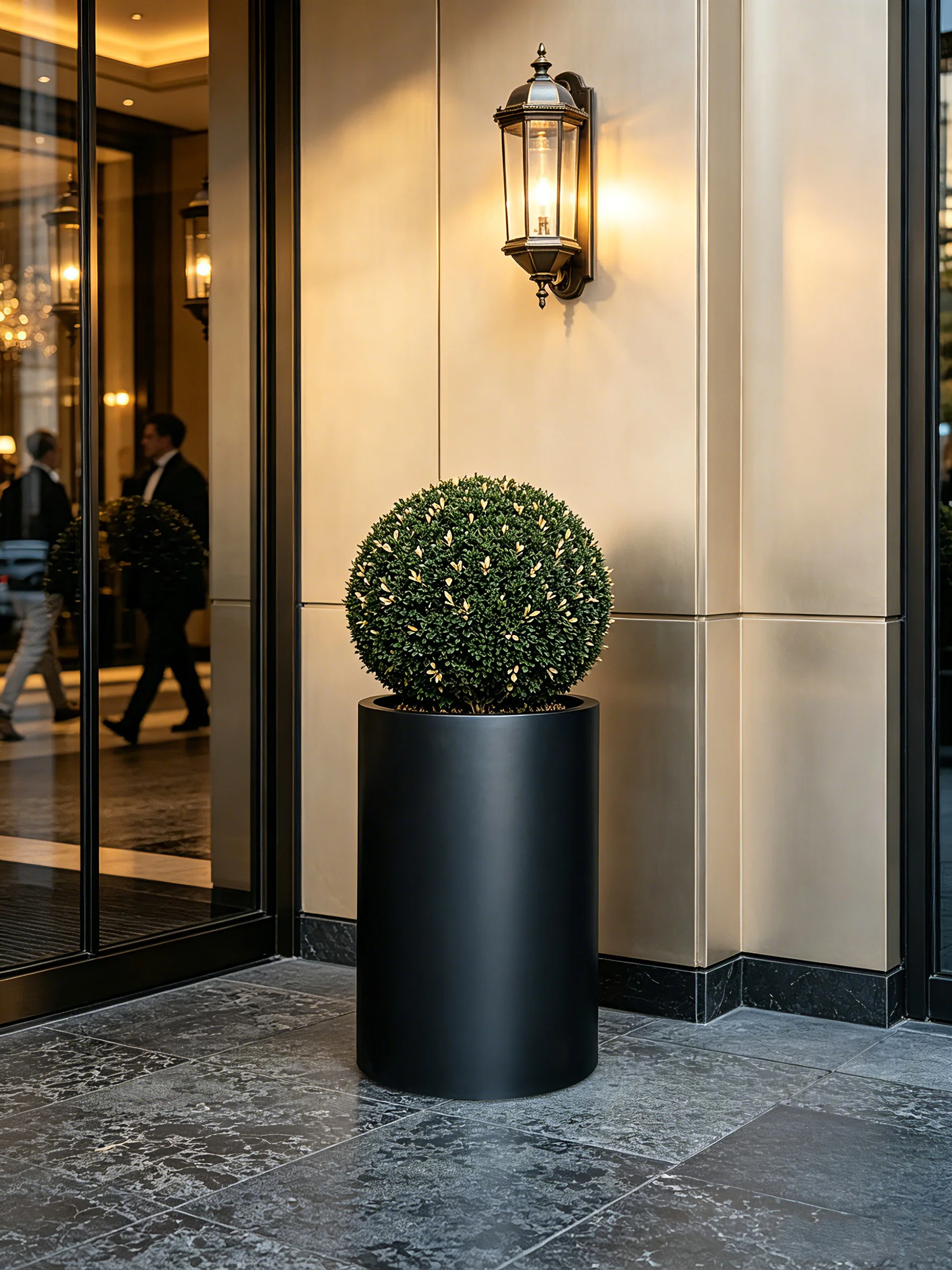
LVEN planters are suitable for municipal roads, parks, scenic areas, commercial streets, hotel entrances, plazas, schools, communities, and outdoor areas around public buildings. They can be used for greenery, space division, traffic guidance, and overall landscape enhancement.