
Recycling Bin Series for
Different Sorting Needs
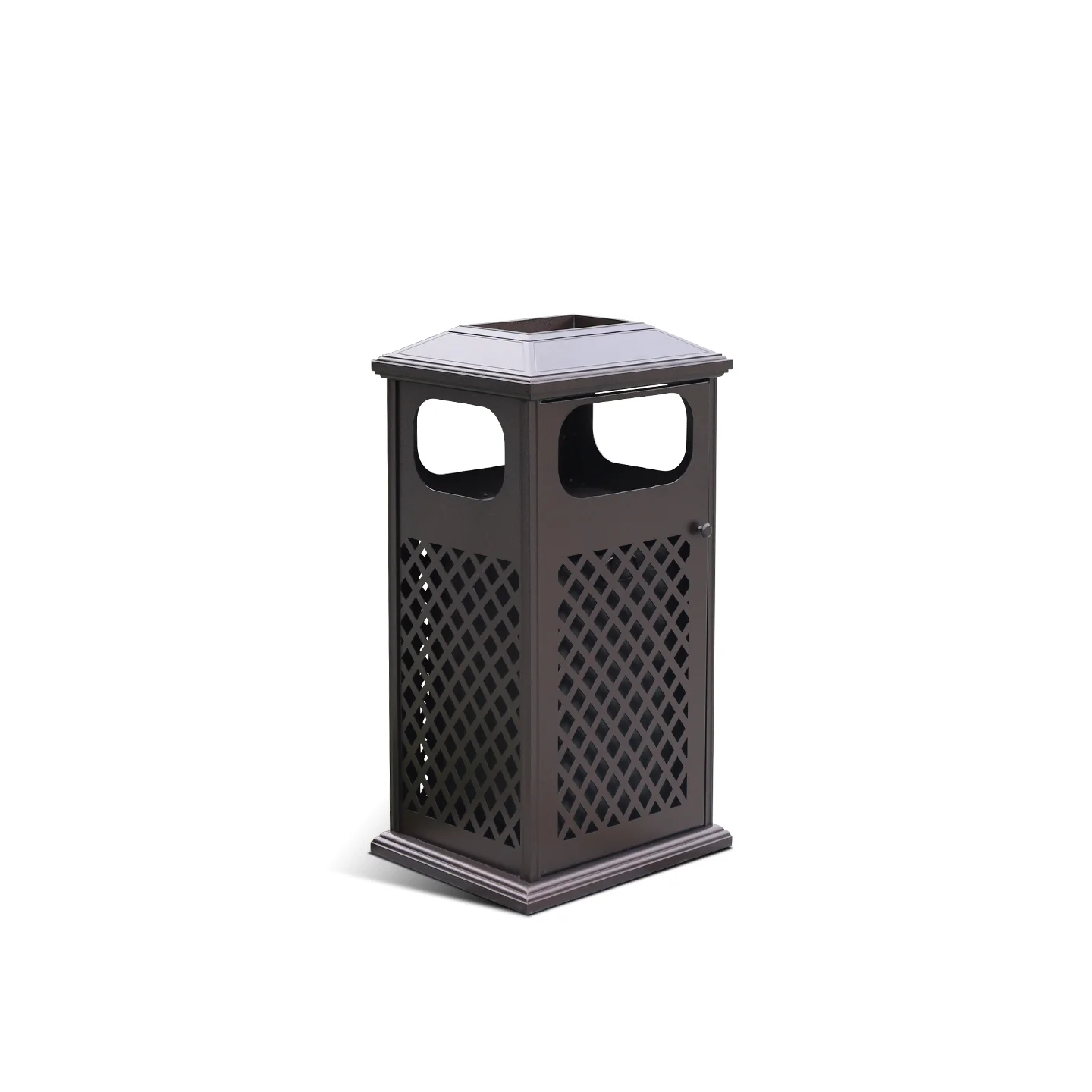
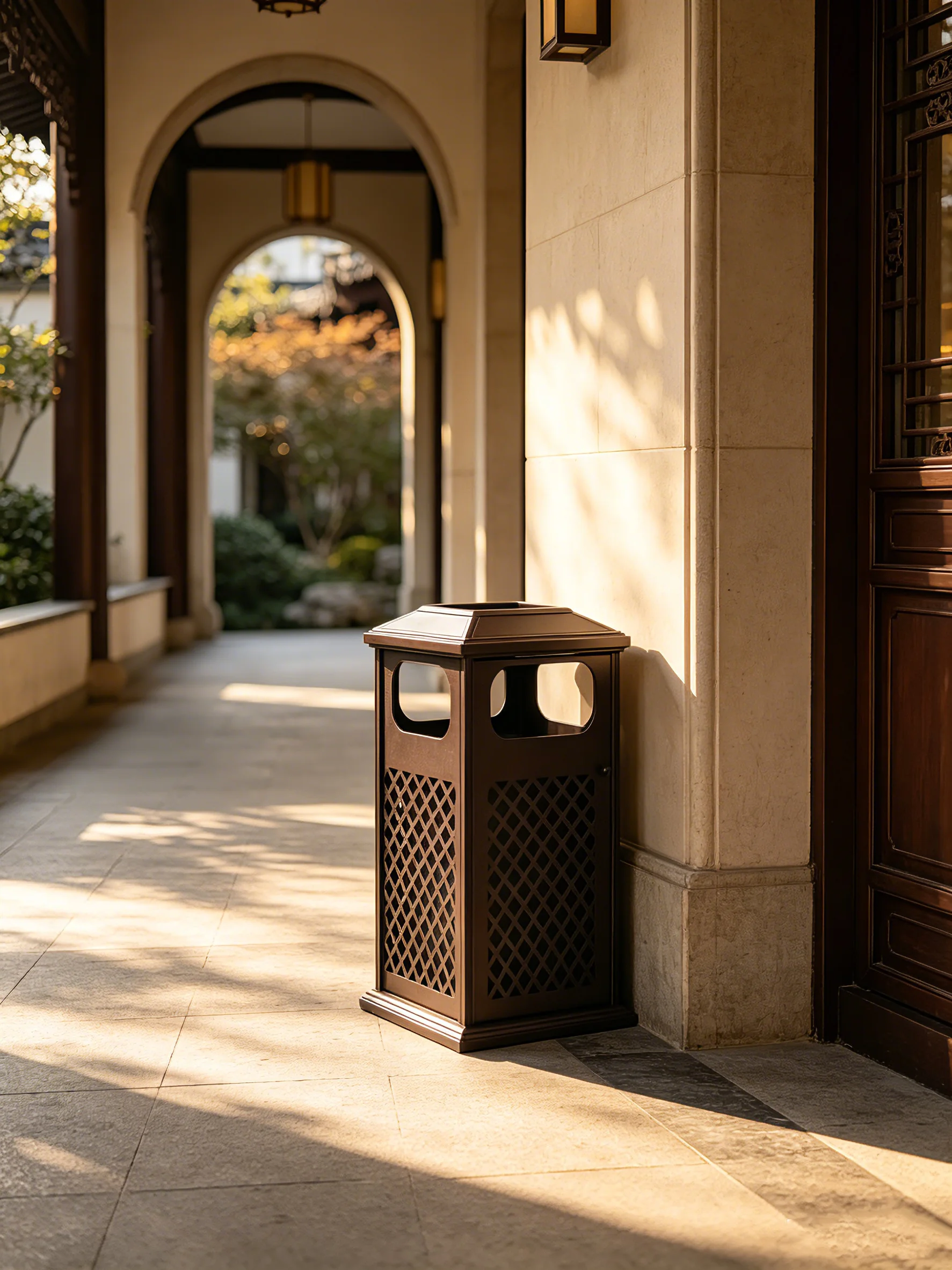
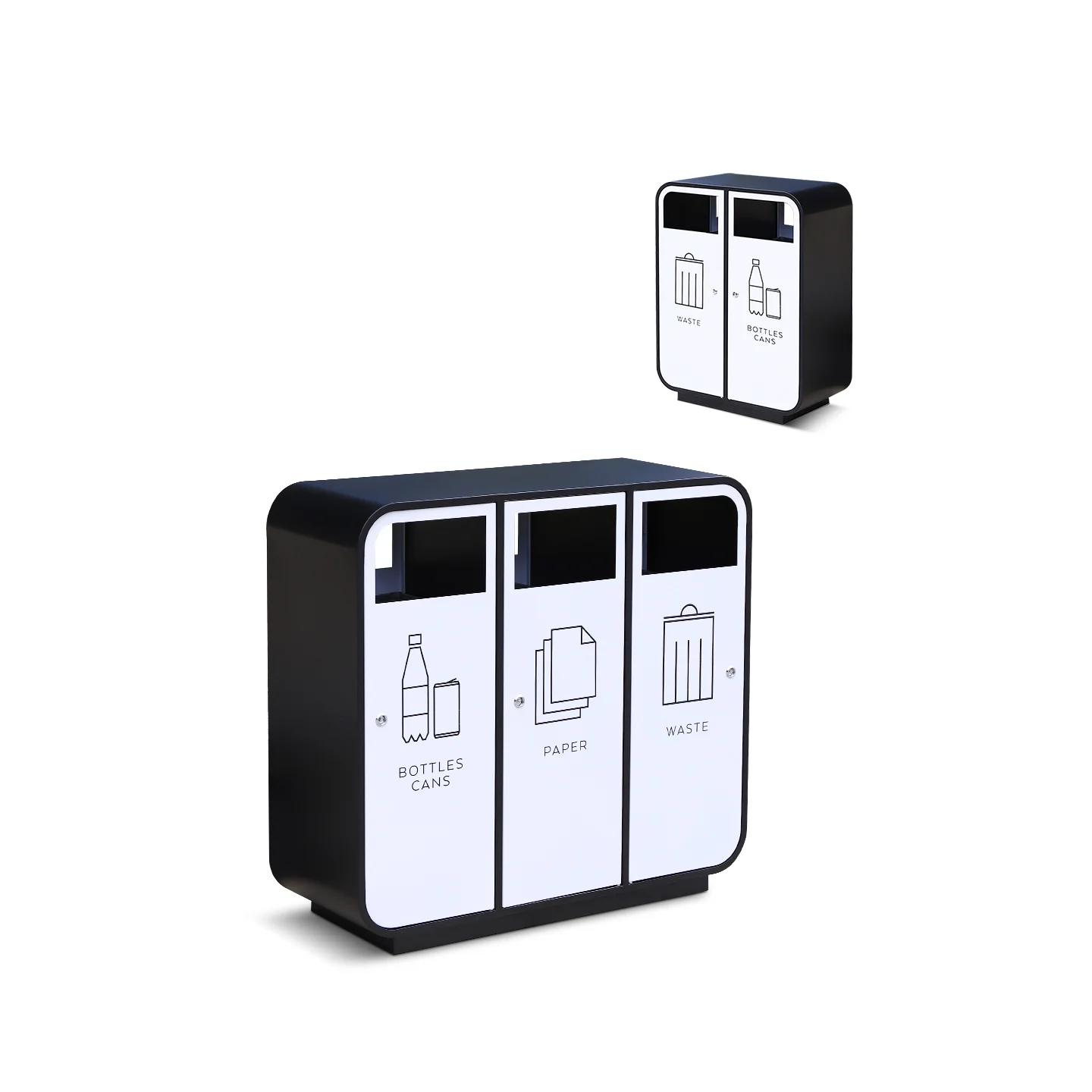
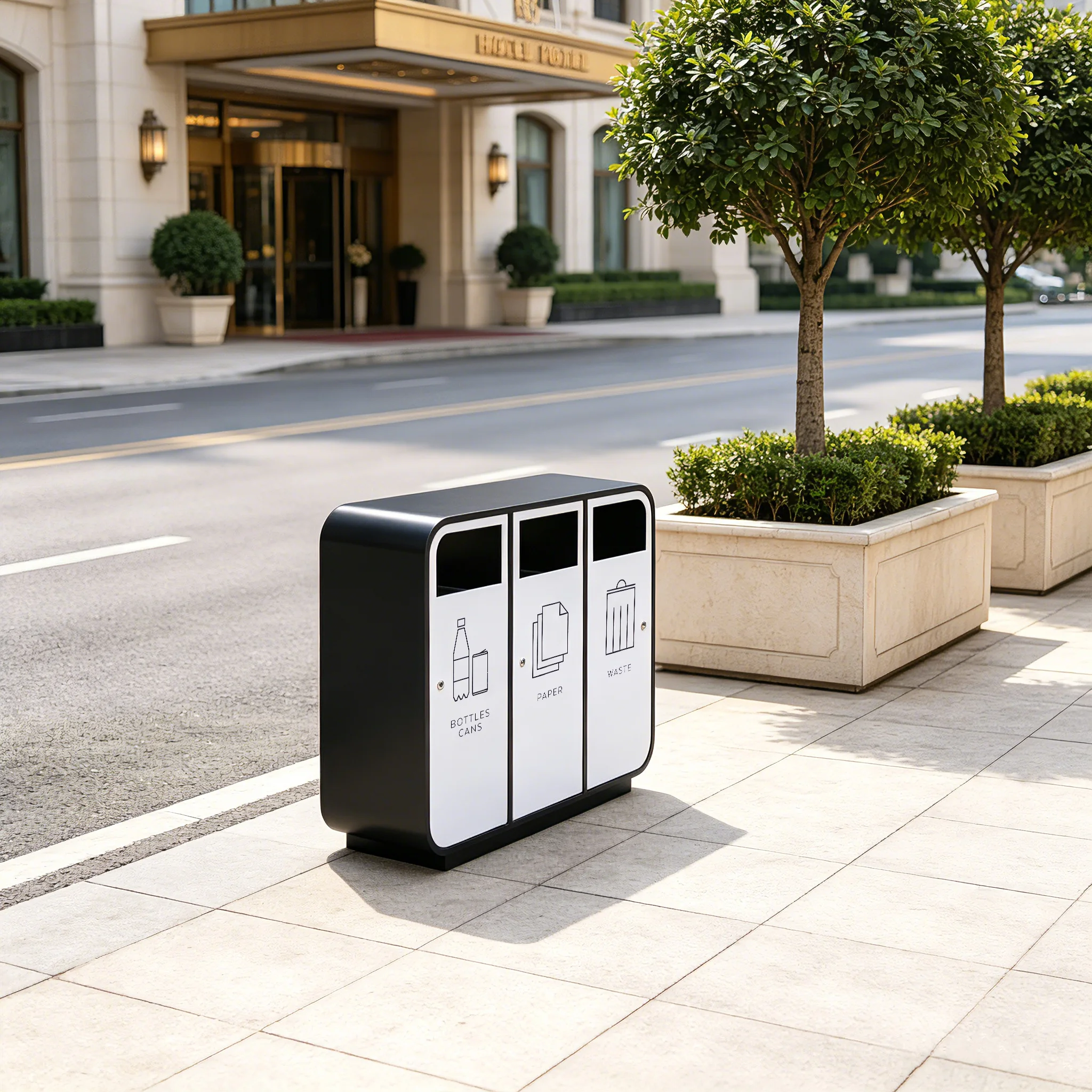
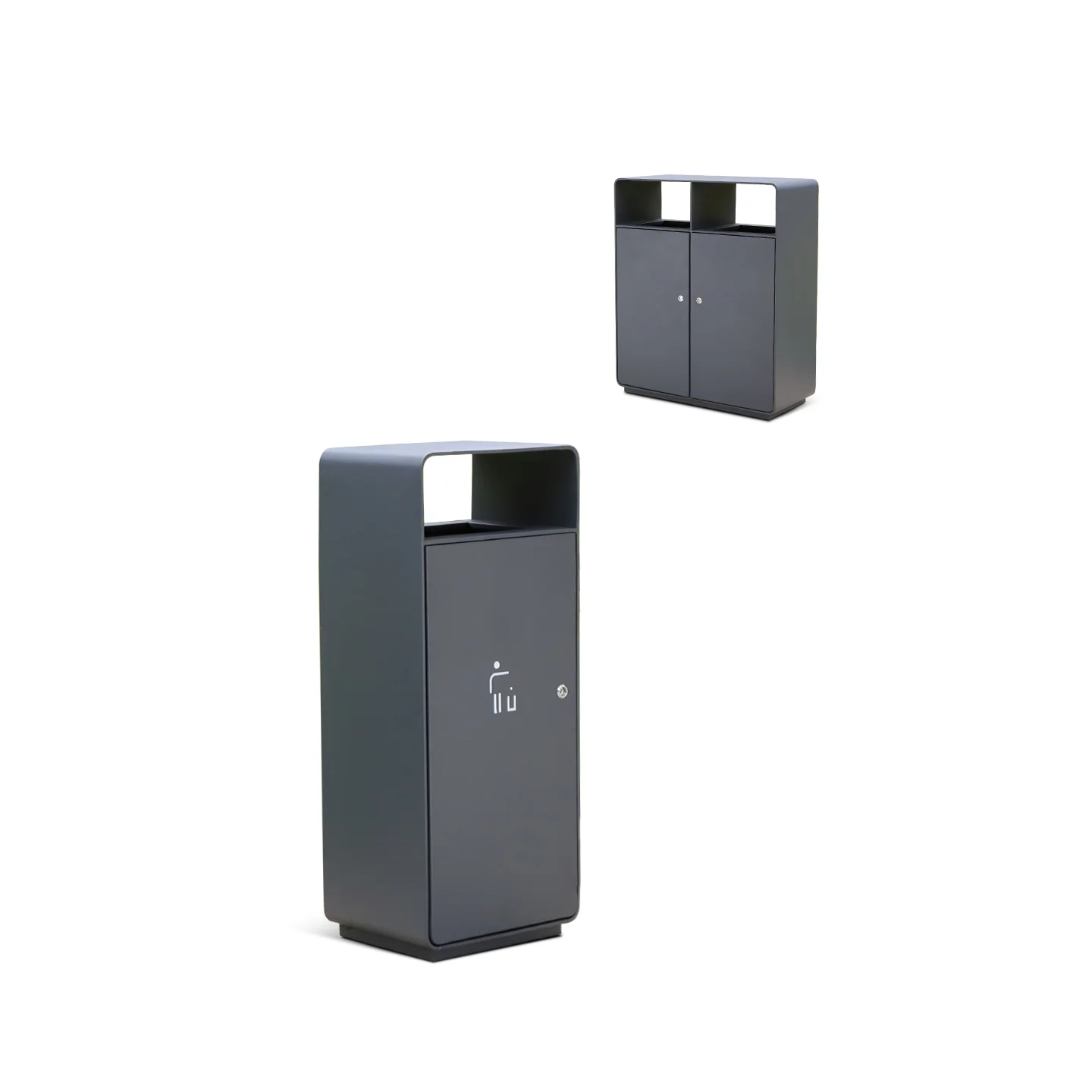
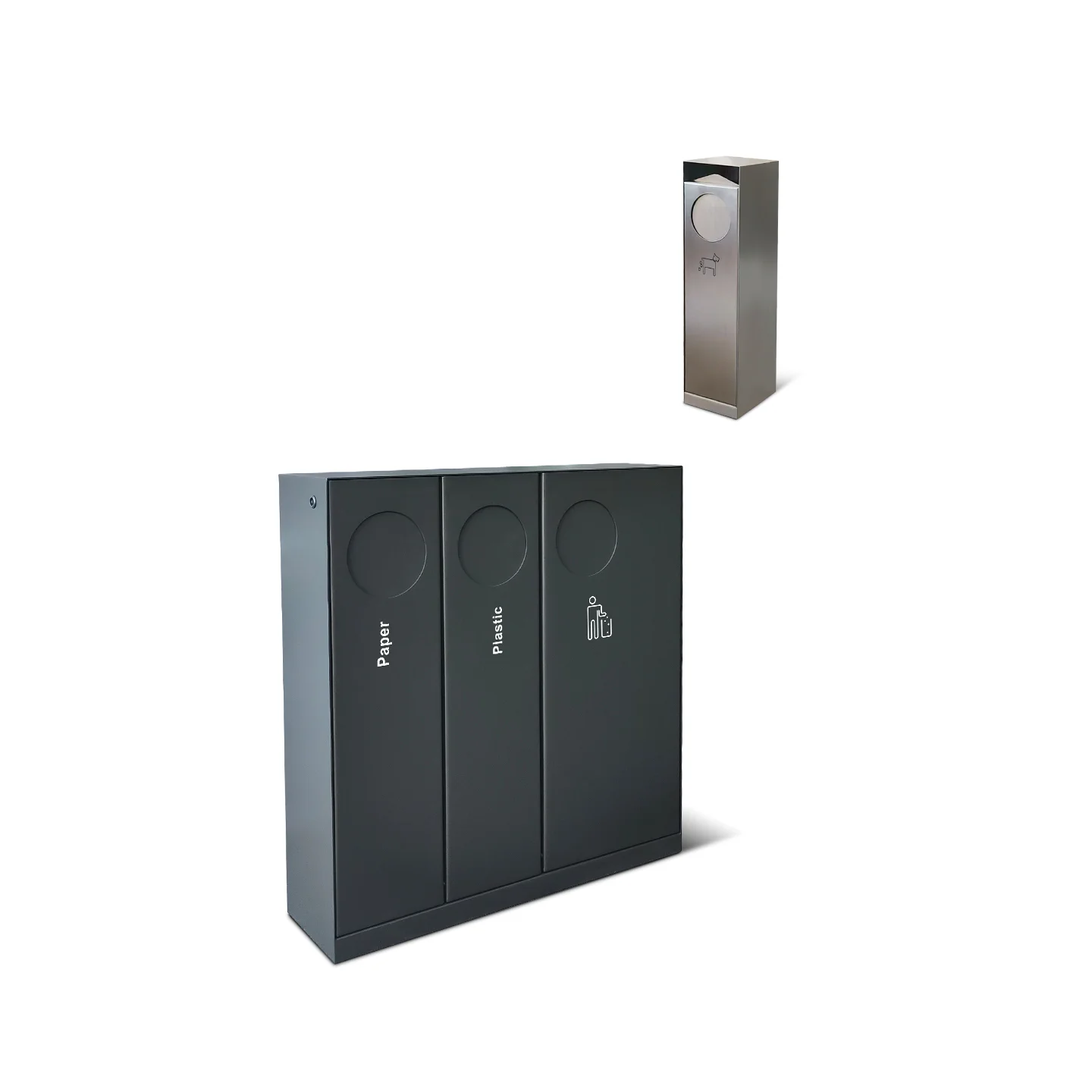
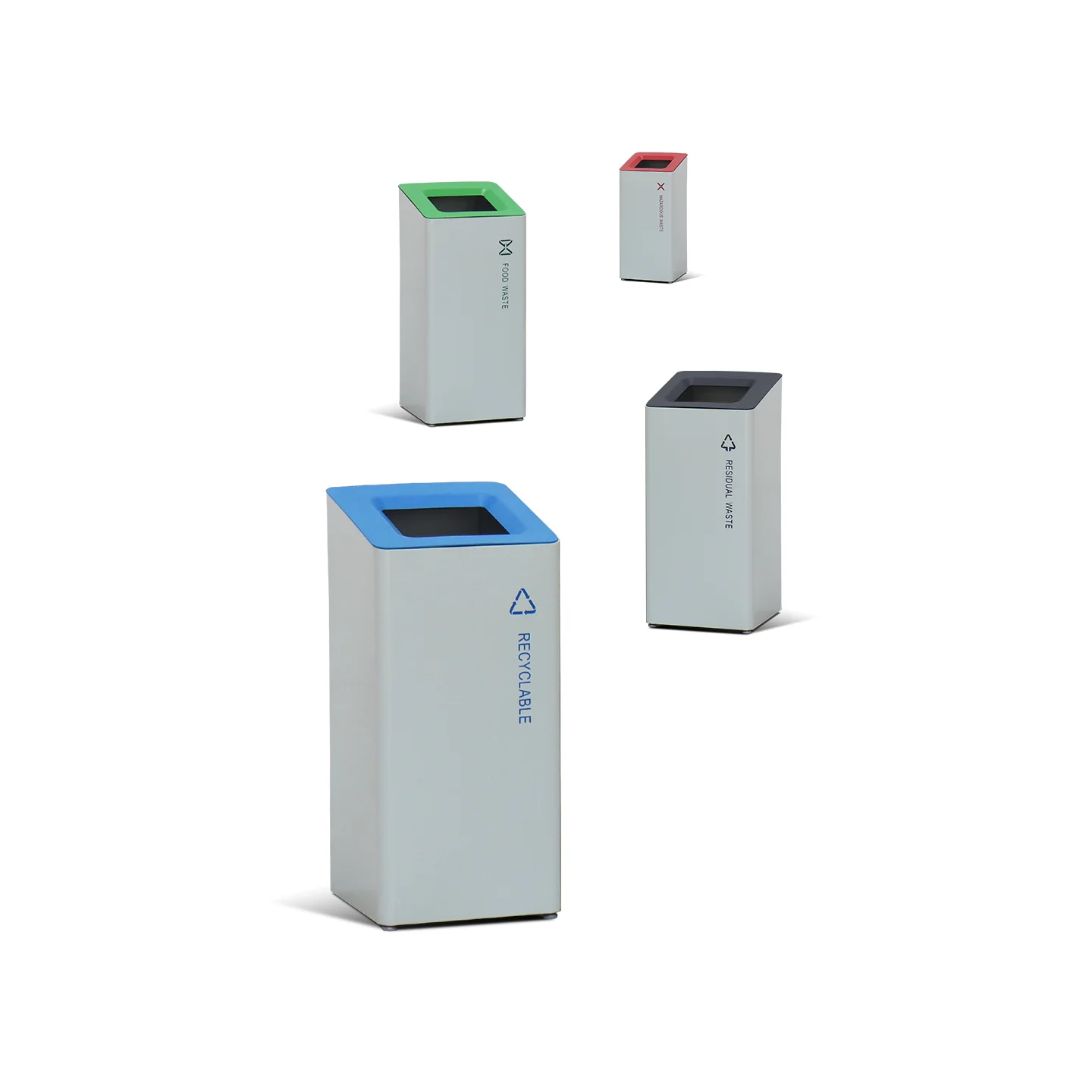
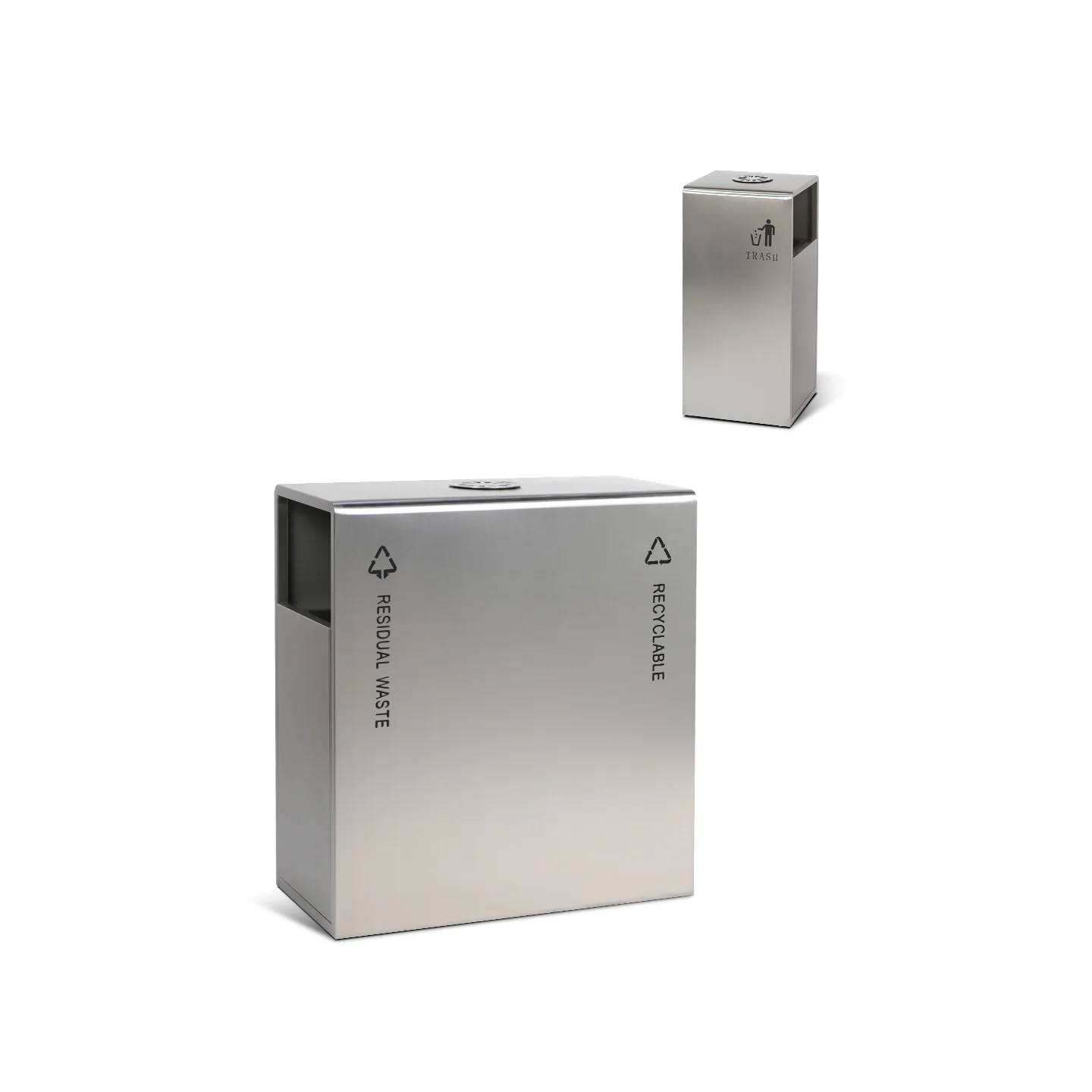
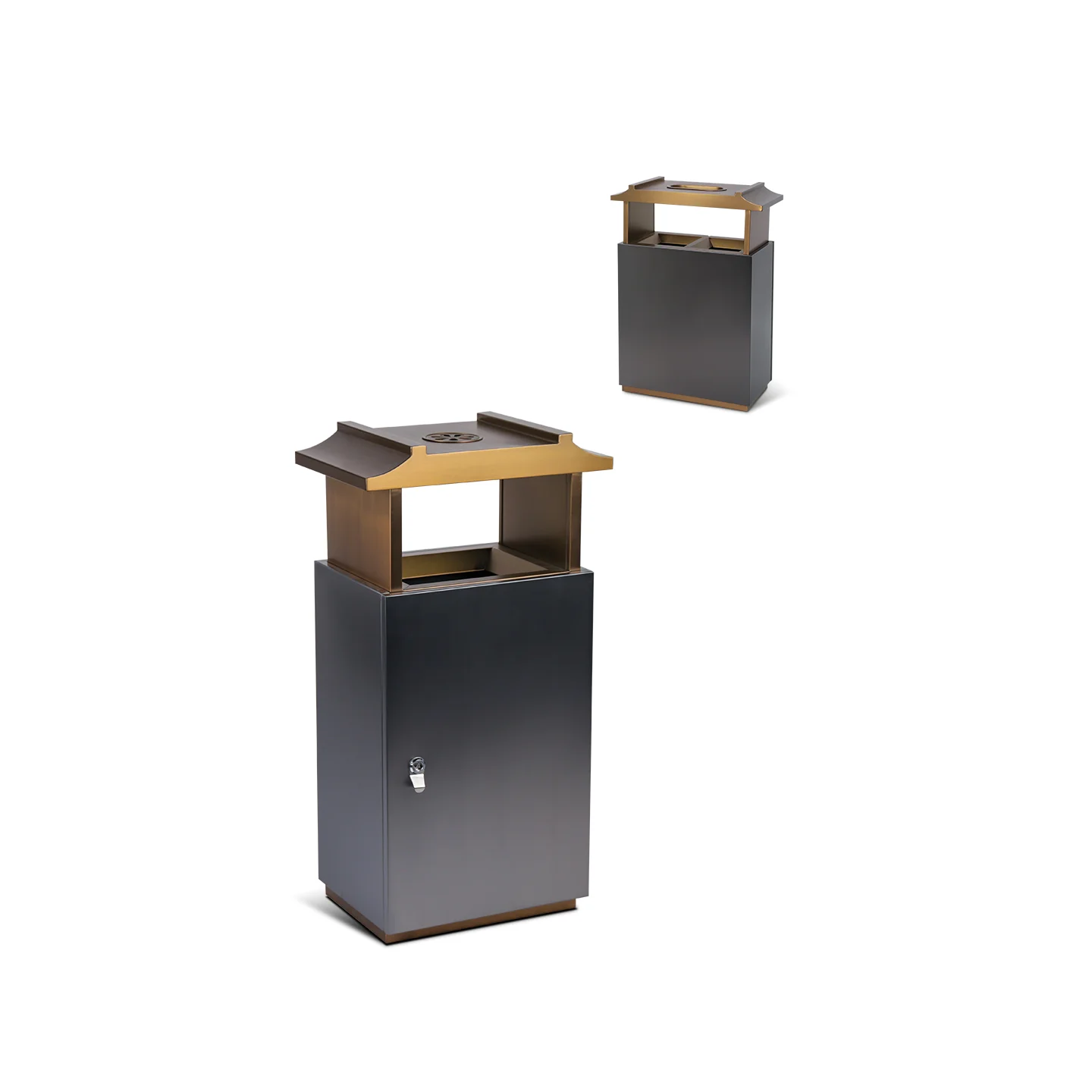
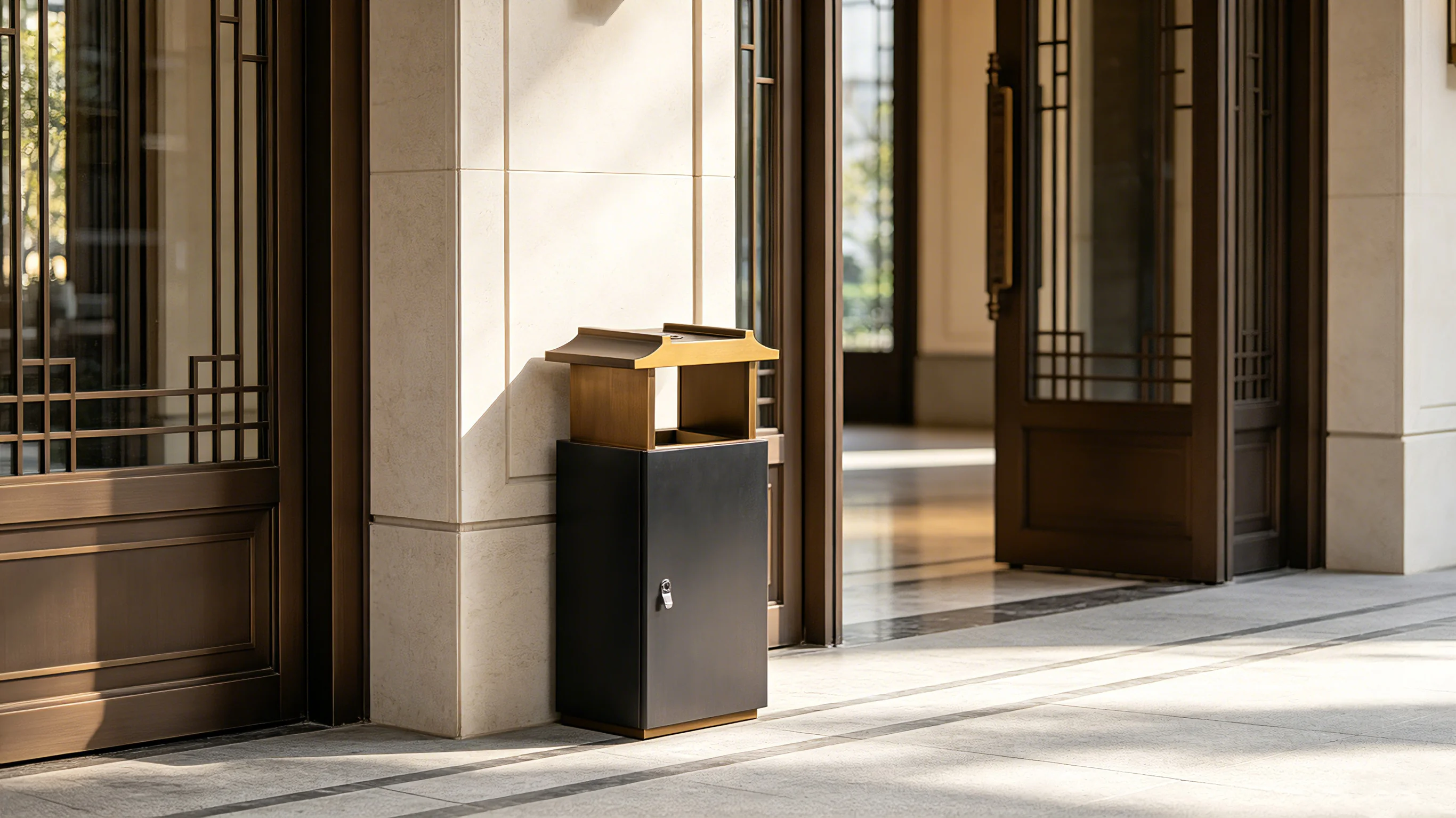
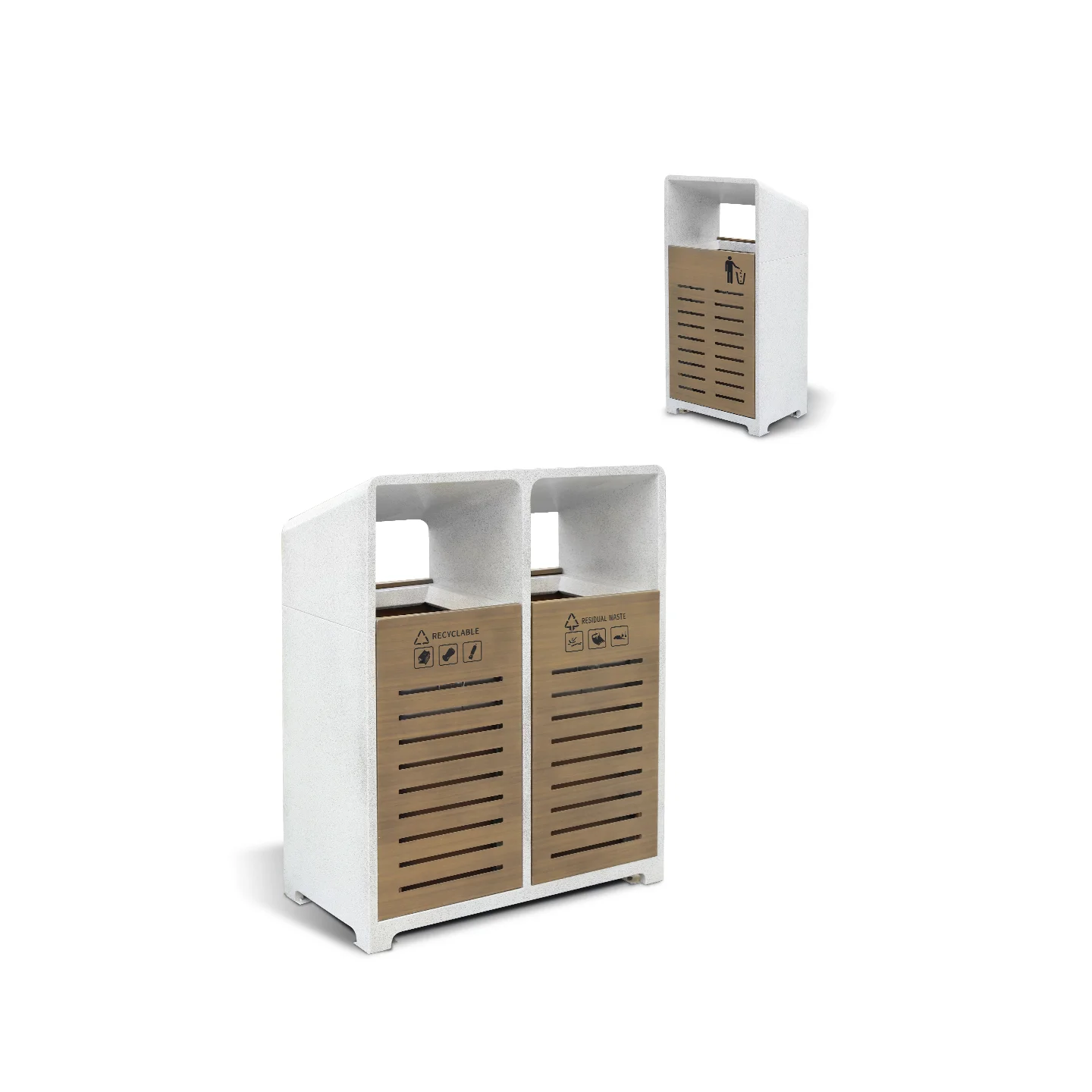
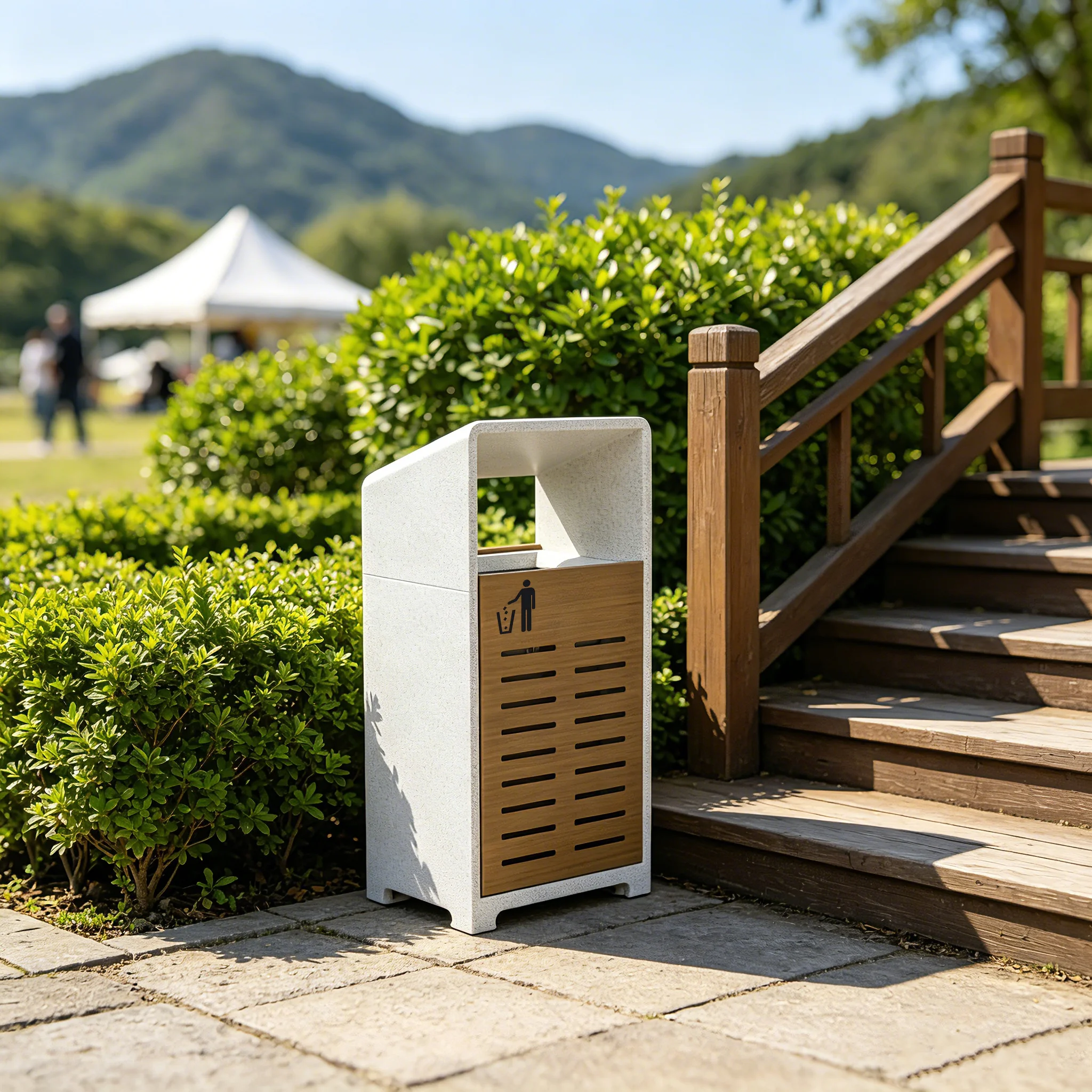
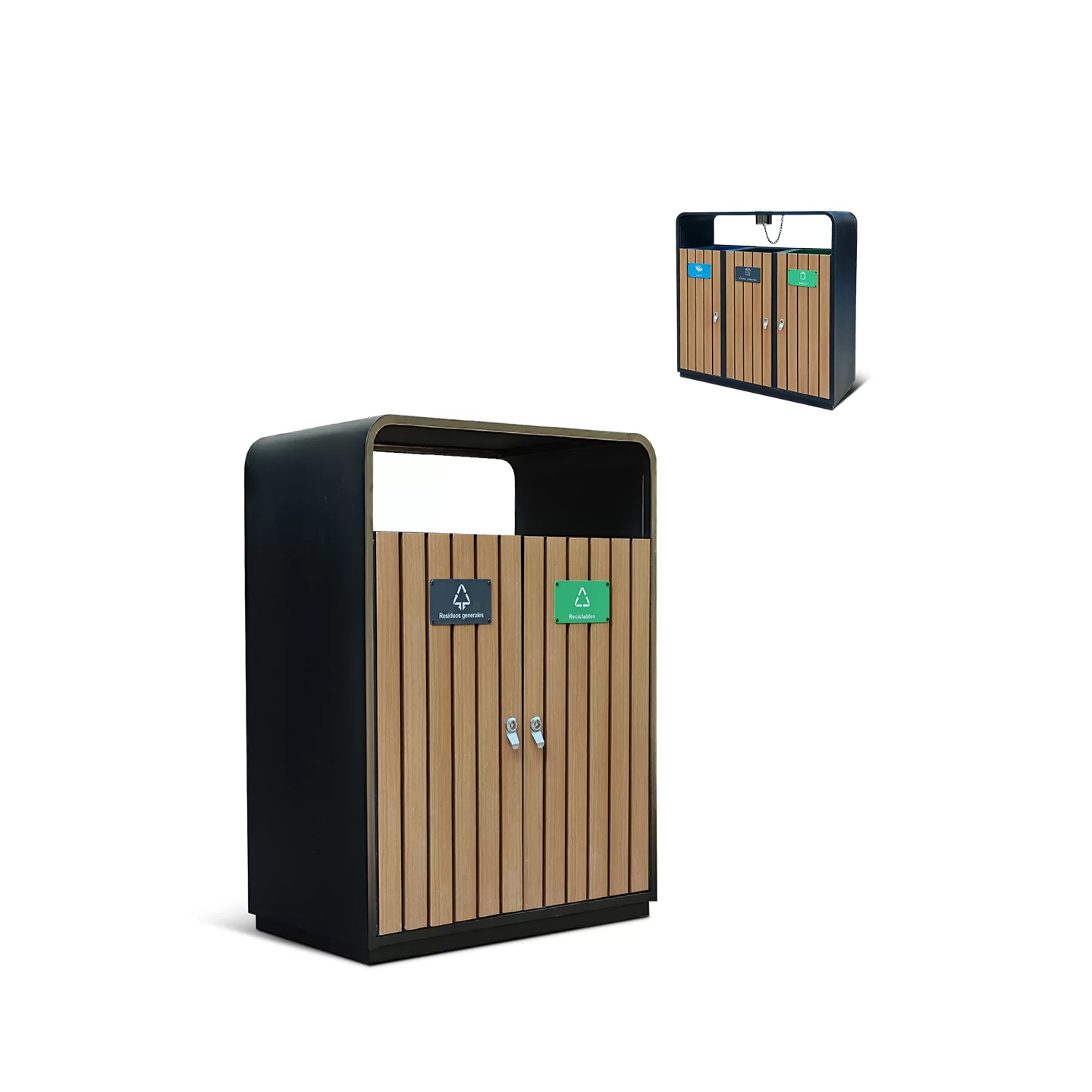
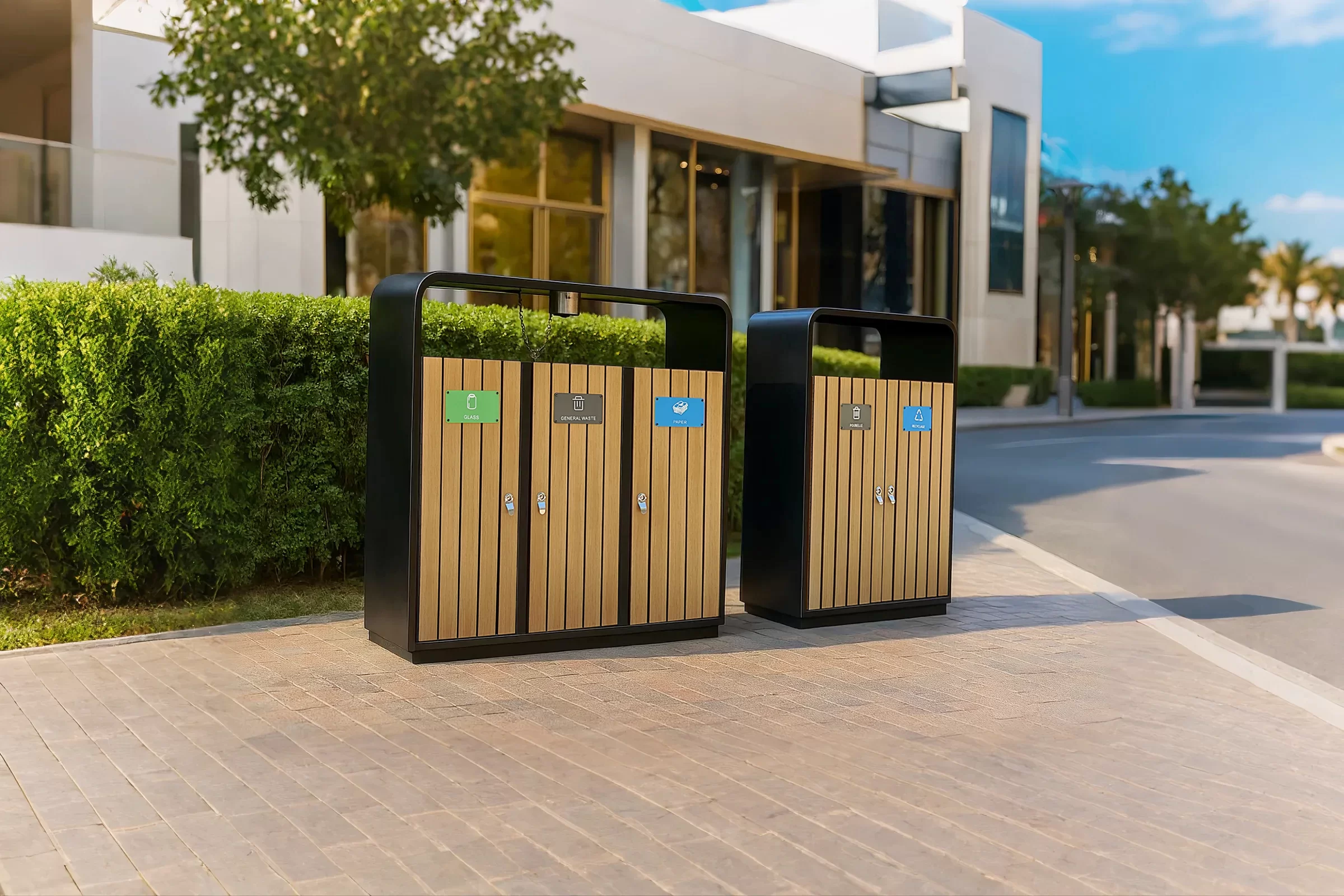
Sorting labels, capacity, color, and structural layout can be customized based on local regulations, project requirements, and application scenarios.
FAQs
For Recycling Bin
Still have a question?
Don't worry. We are free for consultation. Just click on button below.
Contact UsCan recycling bins match other public furniture?
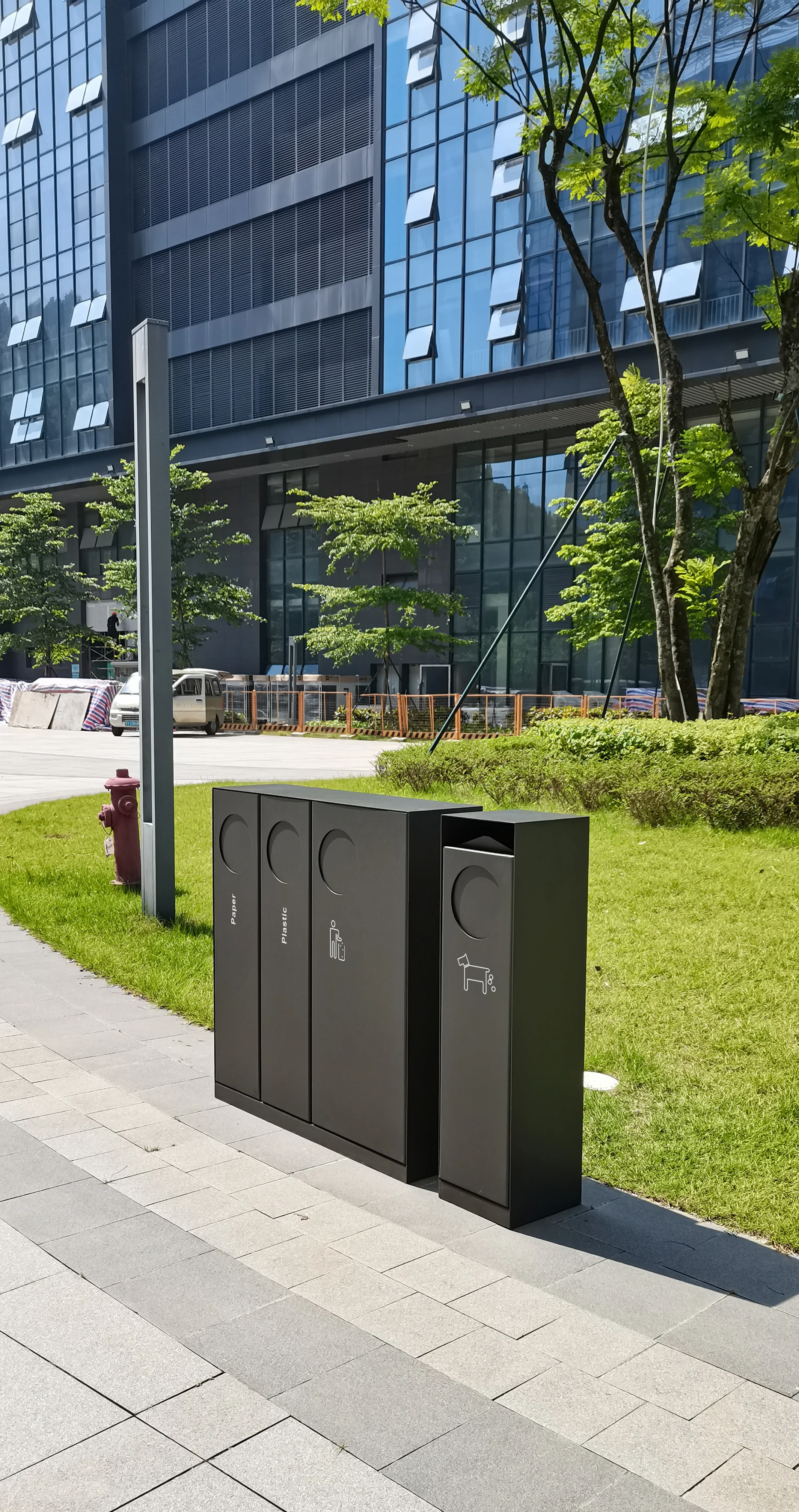
Yes. LVEN provides one-stop urban furniture solutions, including trash bins, park benches, planters, bicycle racks, and more. Recycling bins can be coordinated with other products in color, material, and design style to create a unified look for the whole project.
Are recycling bins suitable for long-term outdoor use?
Yes. For outdoor use, we recommend galvanized steel, stainless steel, aluminum, or outdoor powder-coated finishes to improve corrosion resistance, UV resistance, and weather durability. LVEN has complete metal fabrication and surface treatment capabilities to support long-term use in outdoor public spaces.
Can the capacity of each compartment be customized?
Yes. Different waste types are generated in different volumes. For example, commercial spaces may need larger general waste capacity, while schools or office buildings may need more space for recyclables. Each compartment can be adjusted based on the actual application.
Can the recycling labels be customized?
Yes. Sorting text, icons, colors, language versions, and opening styles can all be customized. Clear labeling helps users identify different waste types more easily and improves real-world recycling performance.
How many waste streams can recycling bins support?
Recycling bins can be designed as single-stream, dual-stream, three-stream, or multi-stream systems based on project needs. Common waste streams include recyclables, general waste, food waste, and hazardous waste. The layout can also be adjusted to meet local waste sorting rules in different countries or regions.
Where can recycling bins be used?
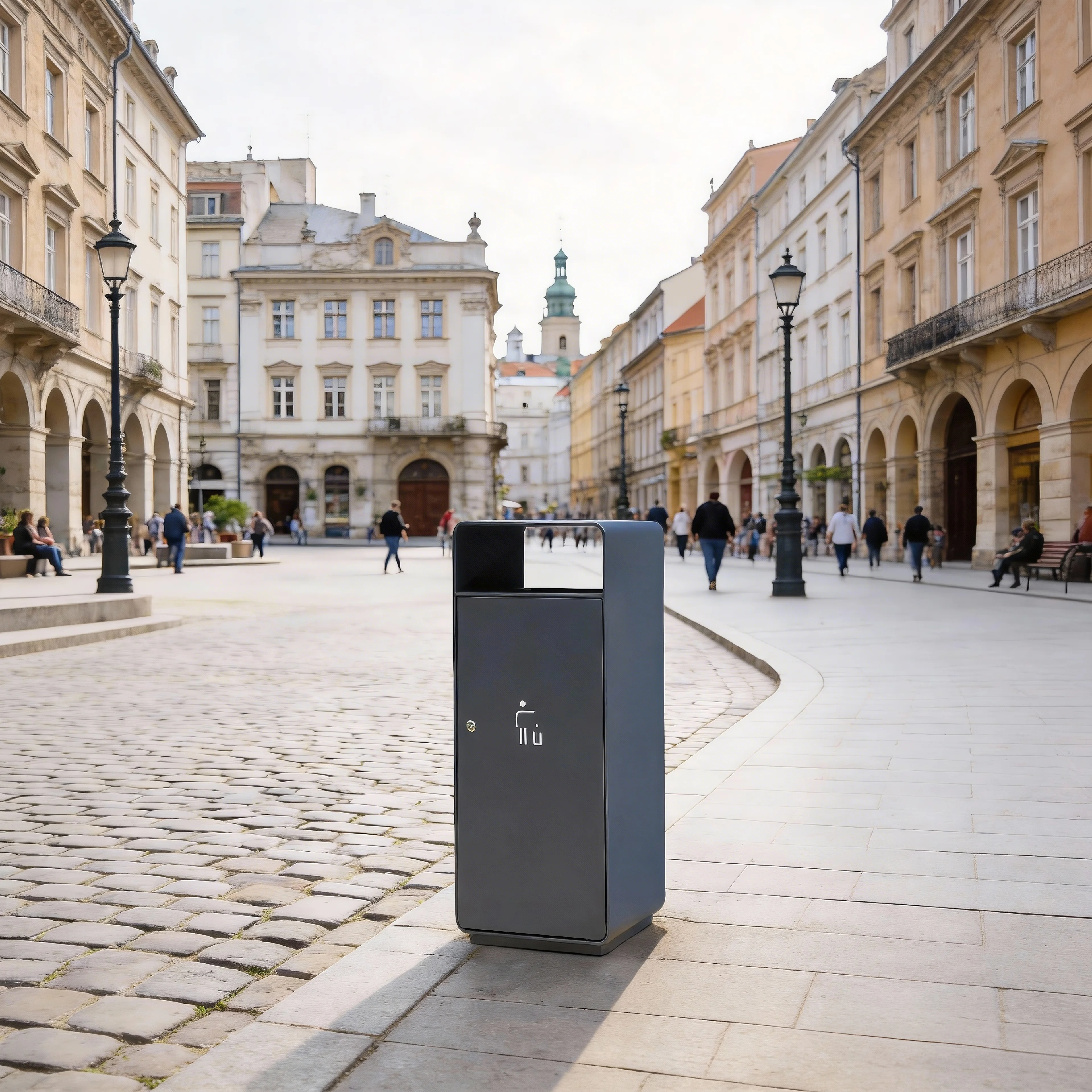
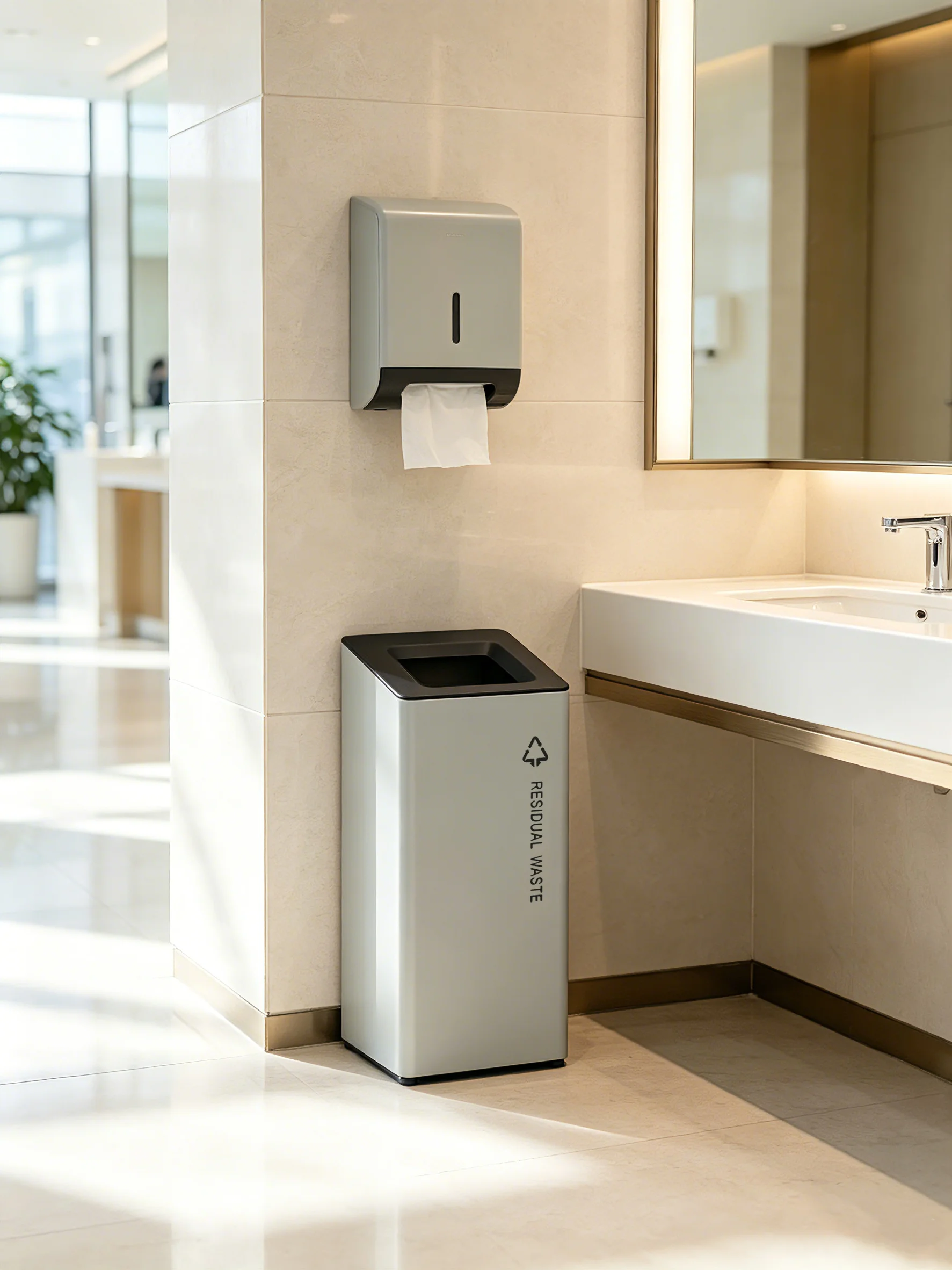
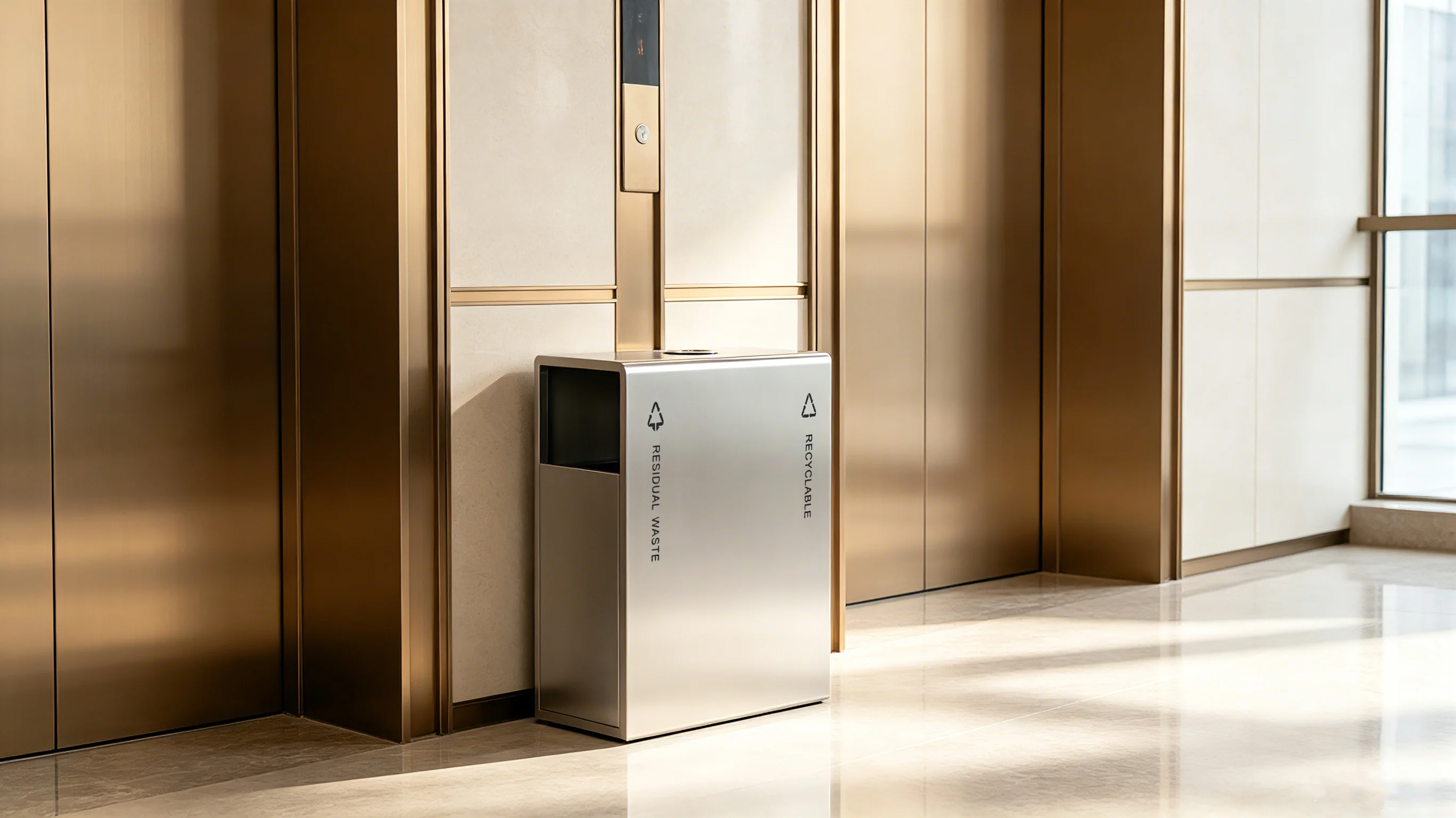
Recycling bins are suitable for municipal streets, parks, schools, hospitals, shopping centers, office buildings, scenic areas, communities, airports, transit hubs, and other public spaces. They help improve waste sorting efficiency and support cleaner public environments.