When Should Outdoor Trash Bins Be Repaired or Replaced?
 12
 Share
Repair an outdoor trash bin when the problem is limited, the remaining structure is sound, and a compatible repair can restore reliable use at a reasonable total cost. Replace it when structural damage, repeated failures, unavailable parts or a poor fit for the current collection system make continued repair difficult to justify. Faded paint alone is a different decision from a weakened base or a door that no longer stays secure.
The practical question is whether the proposed work restores the whole asset, not simply whether someone can fit a new lock or cover a rust mark. For parks, commercial properties and municipal sites, the decision to repair or replace outdoor trash bins should combine condition, service requirements, costs and downtime. Start with inspection, then compare realistic options over the same planning period.
When Can Outdoor Litter Bins Be Repaired?
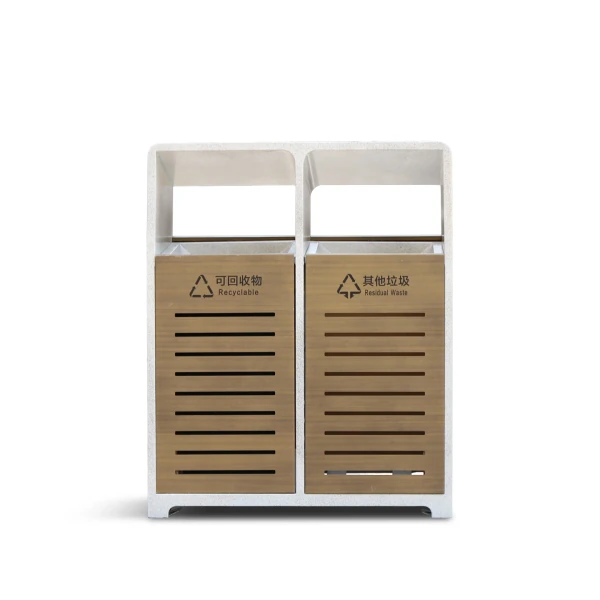
Begin by separating appearance from function. Surface dirt, fading, a worn label or a shallow scratch may need cleaning, refinishing or a replacement graphic rather than a new bin. Check the material beneath the finish and the surrounding joints before classifying a defect as cosmetic. A small visible mark can sometimes conceal a deeper problem; a discoloured surface can also remain structurally sound.
Component failures are the next category. A damaged liner, worn latch, missing key or broken slat may be repairable if the part is designed to be replaced and its mounting points remain intact. Identify what caused the failure. A replacement latch will not solve a distorted door frame, and a new liner will not correct a sharp projection that repeatedly tears bags. The repair scope should address the cause as well as the damaged item.
For outdoor litter bins, coating repair also depends on the substrate and finish system. Exposed metal deserves attention, but a paint touch-up is not a structural repair. Ask the manufacturer for a compatible preparation and repair method; do not assume a general-purpose paint restores the original protective system. Pilot Rock's maintenance guidance similarly distinguishes coating damage from damaged components and gives material-specific advice for its own products.
Repair is most persuasive when the bin otherwise meets its purpose: waste stays contained, the opening remains usable, staff can empty it properly and the installation is secure. Record the repaired area and schedule a follow-up inspection. That record helps distinguish a successful intervention from a fault that keeps returning under a different description.
When Do Commercial Trash Receptacles Need Replacement?
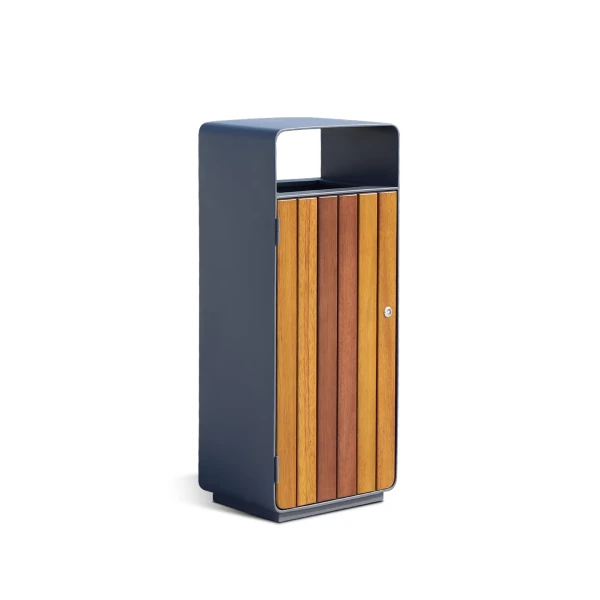
A broken or significantly corroded base, cracked structural joint, distorted body or unreliable anchoring requires closer assessment than cosmetic wear. If movement, sharp exposed edges or unstable components create an immediate problem, withdraw the affected unit from public use while it is assessed. The aim is to determine whether a documented repair can restore the required function, rather than conceal the visible damage.
An impact can affect several parts at once. A door that will not close may indicate a damaged hinge, a bent door or a distorted supporting frame. Photographs alone may not establish which is responsible. Where structural integrity or fixings are uncertain, use an appropriate competent inspection before deciding to retain the unit. Welding, drilling or changing anchor positions should follow an agreed repair design, not an improvised field solution.
Replacement can also be justified when commercial trash receptacles remain physically intact but no longer suit the operation. Examples include a recurring capacity shortfall between scheduled collections, an opening unsuitable for the waste generated, or a service arrangement that crews cannot use effectively at that location. Check whether relocation, a different liner or an adjusted collection schedule would solve the issue before ordering new equipment.
Use a simple decision sequence. First, can the bin remain in service safely while assessment proceeds? If not, isolate the problem. Second, can a confirmed repair restore the structure, containment and servicing function? If not, plan replacement. Third, if repair is technically suitable, does its complete cost and expected result compare favourably with replacement? This sequence prevents a low parts price from deciding an otherwise unsuitable repair.
Repair or Replace Outdoor Trash Bins: Compare the Full Cost
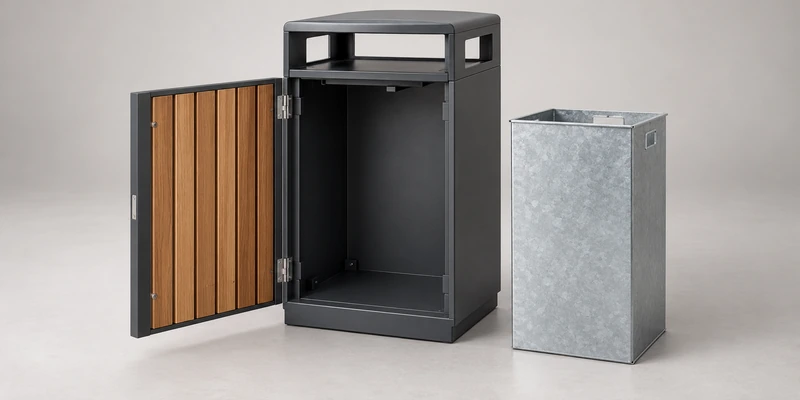
AI-generated generic service-access illustration; construction and replacement parts vary by model.
The price of a replacement part is only one element of repair. Include diagnosis, parts, freight, labour, removal and refitting where needed, coating restoration, temporary waste provision and the return inspection. If a unit must leave the site, allow for handling and reinstatement. A small component can become an expensive intervention when access is difficult or several separate visits are required.
Build the replacement option on the same basis. Include the new unit, delivery, removal of the old bin, any base or fixing work, installation and disposal or material recovery. Keep unrelated site improvements separate so the comparison remains meaningful. A replacement model that requires a new pad should not be compared against a repair figure that ignores the existing pad's condition.
| Finding | Repair remains a candidate when | Replacement deserves closer review when |
|---|---|---|
| Finish damage | Local treatment is suitable and the substrate is sound | Damage is widespread or linked to substantial material loss |
| Door or lock failure | The fault is isolated and compatible parts are available | The supporting frame is distorted or several faults recur |
| Damaged inner liner | A verified replacement fits and the enclosure remains sound | The enclosure also prevents reliable removal or containment |
| Loose installation | A suitable fixing repair can be designed for a sound base | The bin base or supporting surface is substantially damaged |
| Repeated service problems | A defined change addresses the underlying cause | The model continues to conflict with current operating needs |
There is no universal percentage of new purchase price that makes every repair worthwhile. Compare the expected benefit over a stated period, including likely further maintenance. If the remaining service life cannot be estimated with confidence, show that uncertainty rather than assigning an attractive number. For a batch of bins, a pilot repair can provide better evidence on labour time and the finished result before the full programme is approved.
Downtime matters separately from the cost total. A suitable part arriving after a major event may not solve the immediate collection need. Compare the confirmed repair and replacement lead times, and plan temporary provision that keeps the required waste streams available. Treat a promised date as confirmed only when the supplier or contractor has accepted it.
What Site Checks Should Precede Litter Bin Replacement?
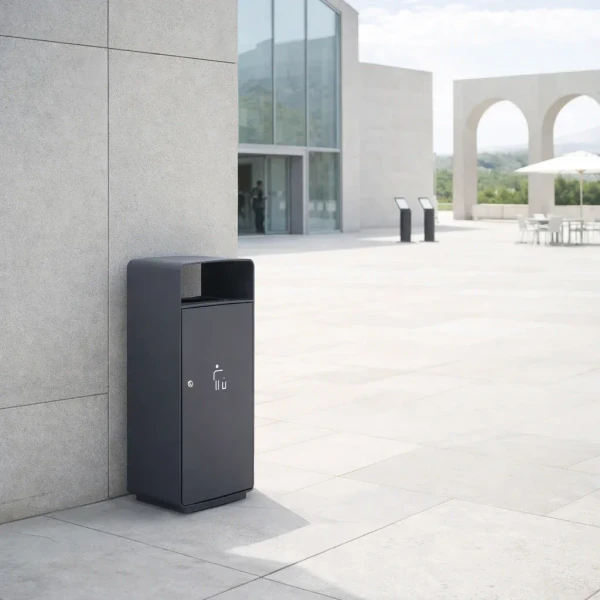
Inspect the installation as a system before choosing litter bin replacement. Check the bin base, fixing locations, supporting surface, drainage conditions and collection access. A new bin placed on a damaged foundation or repeatedly struck by maintenance equipment can inherit the same failure pattern. Record standing water, impact marks and changes to nearby furniture or routes that may explain the damage.
Existing anchor holes do not establish that a new model will fit or that the old anchors can be reused. Compare the proposed base drawing with the actual surface and obtain the appropriate fixing specification for that installation. Removal can reveal deterioration that was hidden beneath the old unit. Allow time and budget to resolve it before committing to an installation date.
Recheck the public and maintenance layout. Can people see the opening from the main approach? Can staff open the door and remove the liner without moving a bench or blocking a busy entrance? Has the site changed since the original purchase? A landscape alteration, a new café or a different collection cart can make the former specification less suitable even when the replacement has similar dimensions.
Use the findings to shortlist outdoor trash bins against the current requirements. Retaining a familiar appearance can be useful across a public scheme, but it should follow confirmation of the capacity, material, access and fixing arrangement. A like-for-like purchase is worthwhile when the original design still works for the site.
What Evidence Helps a Commercial Outdoor Bin Repair Request?
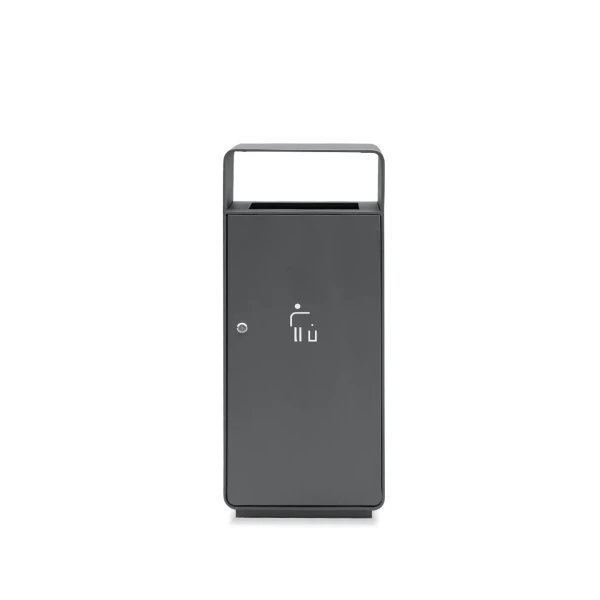
A useful commercial outdoor bin repair request identifies the asset before asking for a part. Send the model reference, original order or drawing reference if available, approximate installation date, site environment and number of affected units. Include one complete front view, one rear or side view, and clear close-ups of the defect and its mounting area. Keep photographs of different bins labelled separately.
For a door or hinge problem, describe what happens during operation: the door binds at the bottom, the latch misses its receiving point, or the lock turns without securing the panel. For a liner, give the actual external dimensions and show the opening through which it must pass. A nominal litre capacity does not identify the required replacement part or prove compatibility.
LVEN's OTB-04 commercial outdoor trash can, for example, includes lockable front access and removable metal inner liners. Those features identify areas that can be assessed during maintenance, but they do not establish that every damaged component can be supplied separately or exchanged across different models. Confirm the exact configuration and part revision before placing an order.
LVEN supports maintenance enquiries, spare-part replacement and subsequent orders subject to assessment. Fees, quantities and delivery times are confirmed for the actual request. Send the asset information and photographs through the LVEN contact page, with the required return-to-service date. This supports a specific response instead of a quotation based only on a general description such as “standard bin lock.”
How Can Outdoor Litter Bins Be Renewed in Phases?
For a larger estate, record each bin's location, model, defect, service impact and proposed action. Prioritise units with structural or fixing concerns, then bins that cannot be emptied or secured reliably. Cosmetic refurbishment can follow where the asset remains functional. This makes the renewal sequence reflect operating need rather than whichever location is photographed first.
Group work by confirmed parts and access requirements, while retaining an individual condition record. Bins purchased together may have experienced different exposure and use. A sheltered courtyard unit and a roadside unit should not automatically receive the same decision. Equally, several matching defects can justify reviewing the material, cleaning method or installation detail across the batch.
The principle of retaining serviceable assets is consistent with Glasdon's product life extension discussion. The practical benefit depends on a successful repair and continued suitability, however; avoid attaching an unmeasured carbon saving or guaranteed extra lifespan to the work. Record what was retained, replaced and recovered so future decisions have an evidence base.
When replacement is required, preserve the confirmed model drawings, finish references, liner details and installation records for the new units. A coherent single-bin specification across suitable locations can make later enquiries clearer. After the first maintenance cycle, review the repaired and replacement bins with the collection team and update the programme using actual service results.
FAQ About Repairing or Replacing Outdoor Trash Bins
Does rust mean an outdoor trash bin must be replaced?
Not automatically. Local surface corrosion and substantial loss of structural material require different responses. Assess the affected substrate, joints and base, then confirm whether a suitable repair can restore function. Painting over corrosion alone does not establish that the bin is sound.
Can a broken liner or lock be replaced without replacing the whole bin?
Sometimes, provided the component is replaceable, the correct part is available and the supporting structure remains suitable. Check the model, dimensions, mounting details and cause of failure. Similar appearance or matching litre capacity does not prove that a part fits.
How often should outdoor litter bins be replaced?
Use condition and performance rather than a fixed age alone. Exposure, construction, maintenance and public use vary. Regular inspection and repair records provide a stronger basis for renewal than a universal replacement interval that ignores how each bin is functioning.
Contents