Outdoor Recycling Bins for Public Spaces: Compartments, Materials and Maintenance
 14
14  Share
Share
Summary
Outdoor recycling bins are designed to collect recyclable materials separately from general waste in parks, streets, schools, commercial centers, office buildings, transit hubs, scenic areas, and other public spaces. Compared with ordinary trash cans, recycling receptacles need clearer labels, more thoughtful compartment design, durable outdoor materials, easy-to-clean inner buckets, and a maintenance system that prevents contamination.
For public space projects, the best recycling bin is not always the one with the most compartments. A good system should match local sorting rules, user behavior, waste volume, collection frequency, and maintenance capability. This guide explains how to choose 2-stream, 3-stream, and 4-stream recycling bins, how to plan labels and colors, what materials work best outdoors, and how to reduce long-term cleaning and replacement costs.
What Is a Recycling Receptacle?
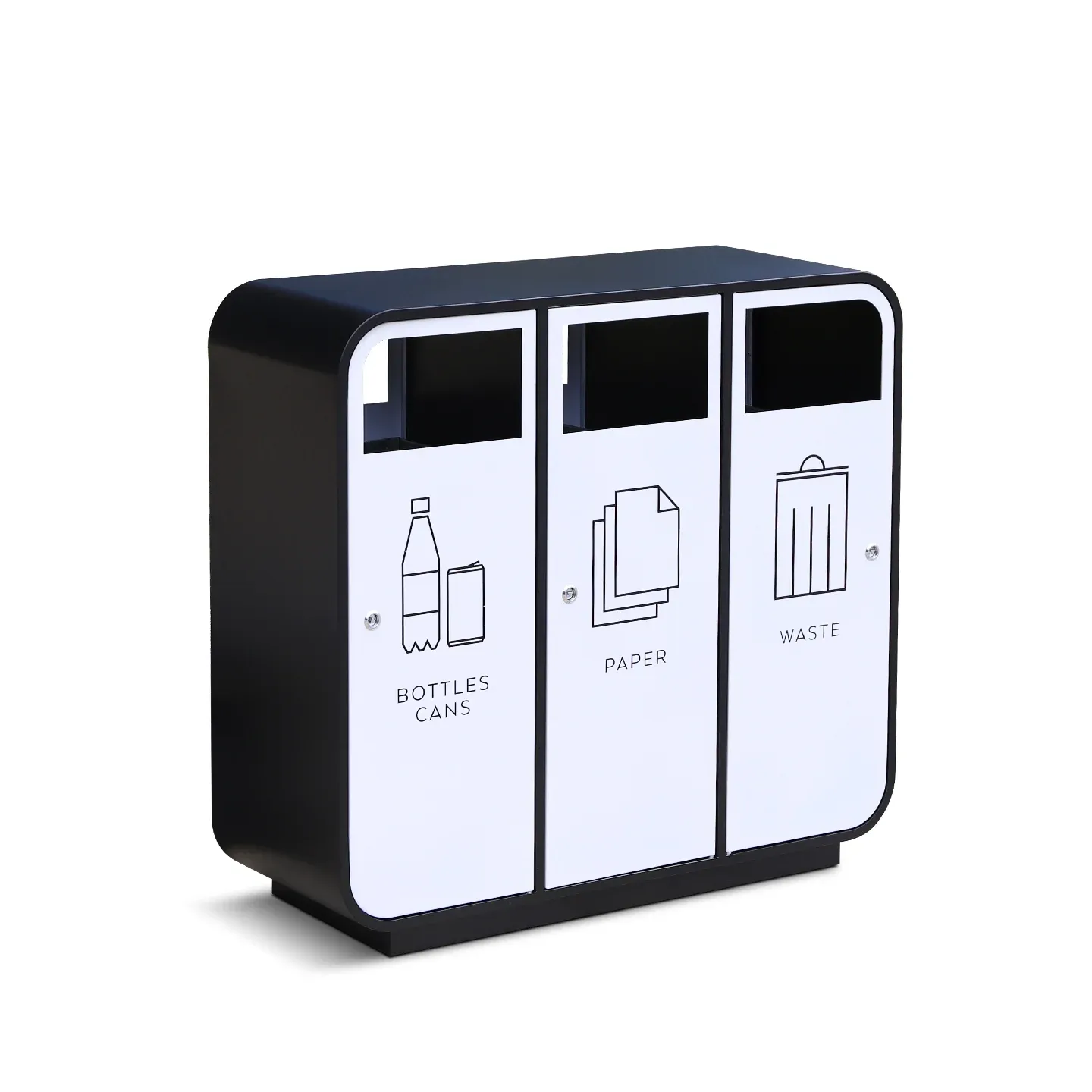
A recycling receptacle is a bin or container designed to collect recyclable materials separately from general waste. It may collect one recyclable stream, such as bottles and cans, or it may include several compartments for different materials such as paper, plastics, glass, food waste, or landfill waste.
The U.S. EPA defines recycling as collecting and processing materials that would otherwise be thrown away as trash and turning them into new products. The EPA also places recycling within a broader waste management hierarchy, where reducing and reusing come before recycling. This matters for public projects because recycling bins should not be treated as decoration. They should be part of a practical waste sorting and collection system.
For buyers, a recycling receptacle should answer four practical questions:
① What waste streams need to be separated?
② Will users understand the sorting rules quickly?
③ Can maintenance teams empty each compartment efficiently?
④ Will the bin remain durable and clean after years of outdoor use?
In other words, public recycling bins are not just containers. They are user guidance tools, maintenance tools, and public space furniture at the same time.
Why Outdoor Recycling Bins Need a Different Buying Logic?
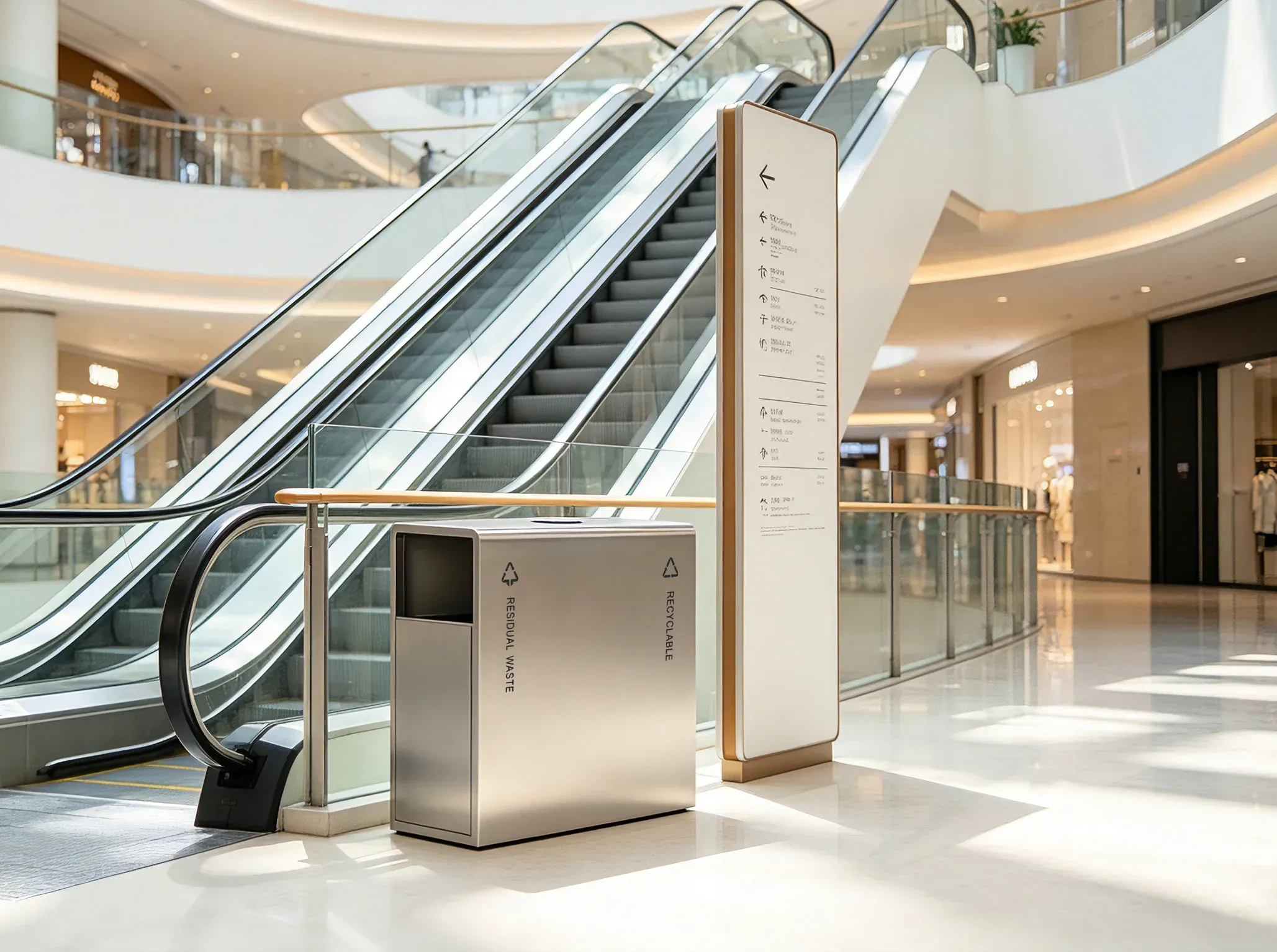
Outdoor recycling bins are more complex than standard outdoor trash cans because they must guide user behavior. If the labels are unclear, if the openings look the same, or if compartments are poorly sized, users may put the wrong waste in the wrong place. This creates contamination and reduces the actual value of recycling.
For a public space project, the buying logic should focus on:
Buying Factor | Why It Matters |
Waste stream design | Determines whether the bin needs 2, 3, or 4 compartments |
Label clarity | Helps users sort waste correctly in a few seconds |
Color system | Makes categories easier to recognize from a distance |
Opening shape | Can guide bottles, paper, cans, or general waste |
Inner bucket design | Affects cleaning speed and maintenance safety |
Material and coating | Determines outdoor durability and corrosion resistance |
Placement | Affects whether users actually use the bin |
Maintenance frequency | Prevents overflow and contamination |
The Recycling Partnership recommends having a maintenance plan for contamination, knowing common contaminants, and installing focused signage at drop-off locations. Although this guidance is often used for community programs, the same principle applies to public space recycling: clear communication and maintenance planning are essential.
2-Compartment, 3-Compartment and 4-Compartment Recycling Bins
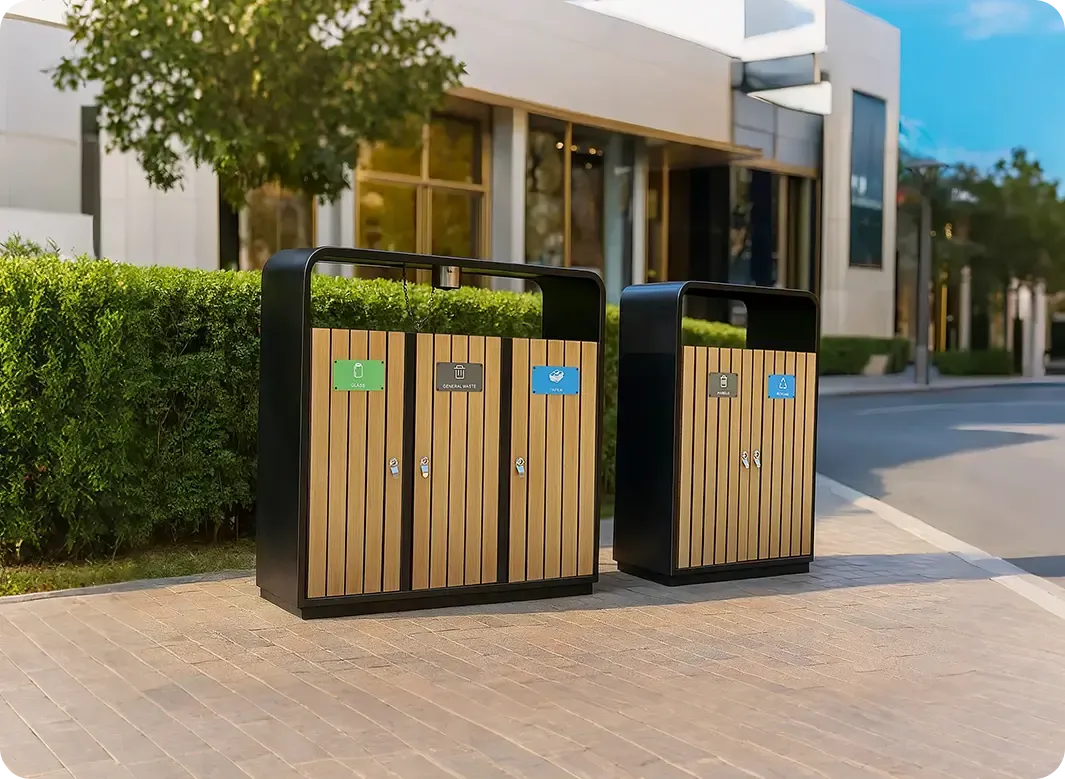
The number of compartments should match real sorting needs. More streams do not always mean better recycling. If the system is too complicated, users may make more mistakes.
2-Compartment Recycling Bins
A 2-compartment recycling bin usually separates general waste and recyclables. This is the most practical structure for many streets, parks, commercial plazas, and office building entrances.
Structure | Common Streams | Best For |
2 compartments | General Waste + Recyclables | Streets, parks, commercial areas, communities |
2 compartments | Landfill + Bottles/Cans | Outdoor dining, transport areas, campuses |
2 compartments | General Waste + Food Waste | Cafeterias, food courts, school dining areas |
A 2-stream system is simple and easy to understand. It is often the safest choice when user education is limited or local recycling rules are not highly detailed.
3-Compartment Recycling Bins
A 3-compartment structure offers more sorting control. Common options include General Waste + Recyclables + Paper, or General Waste + Bottles/Cans + Food Waste.
Structure | Common Streams | Best For |
3 compartments | General Waste + Recyclables + Paper | Schools, offices, libraries, campuses |
3 compartments | General Waste + Bottles/Cans + Food Waste | Food courts, outdoor dining, commercial streets |
3 compartments | General Waste + Plastic + Paper | Controlled public buildings or institutions |
A 3-stream bin works well when users are familiar with recycling rules and the site has maintenance teams that can manage separate liners or buckets.
4-Compartment Recycling Bins
A 4-compartment recycling bin is suitable for locations with stronger waste sorting requirements, such as campuses, municipal recycling points, public buildings, transport hubs, and commercial facilities with clear waste management policies.
Structure | Common Streams | Best For |
4 compartments | General Waste + Paper + Plastic + Cans | Schools, office parks, public buildings |
4 compartments | General Waste + Recyclables + Food Waste + Hazardous Waste | Controlled municipal or institutional areas |
4 compartments | Customized streams based on local rules | Projects with specific waste sorting standards |
For public areas with mixed users, 4-stream systems need very clear labels and color coding. Otherwise, the extra compartments may create confusion rather than better sorting.
How to Choose Labels, Colors and Opening Designs?
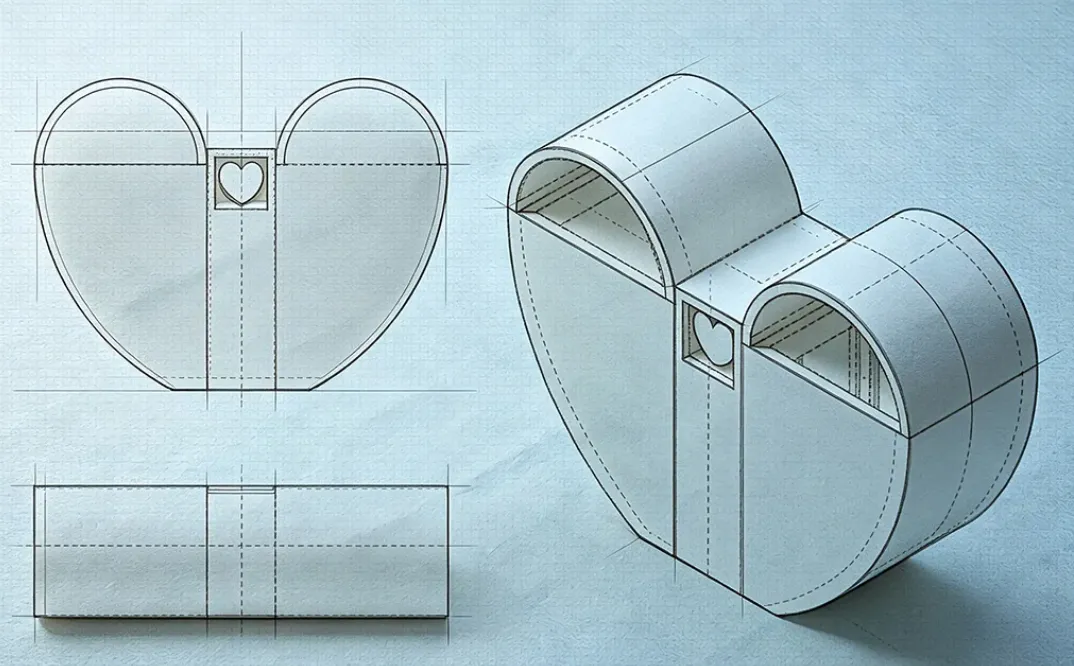
Labels and colors are often more important than buyers expect. A recycling bin may have a strong structure and good material, but if people cannot understand it quickly, it will not perform well.
WRAP’s Recycle Now material stream icons are designed as practical signposts to show what can be recycled and can be used on recycling containers, signage, packaging, local authority communications, and recycling sites. This supports a key project principle: public recycling labels should be visual, simple, and consistent.
Label Design Tips
A good recycling label should be:
① Large enough to read from a normal walking distance
② Simple enough to understand within seconds
③ Supported by icons, not text only
④ Resistant to sunlight, rain, cleaning, and scratches
⑤ Placed near the opening, not hidden at the bottom
⑥ Consistent across all bins in the project
Color Coding
Colors should follow local recycling standards when they exist. In international projects, buyers should avoid assuming one universal color system. Blue, green, yellow, black, grey, and brown may mean different waste categories in different countries or municipalities.
The best approach is to confirm local sorting rules first, then customize the bin color, label panel, and opening design accordingly.
Opening Shape
Opening shape can help reduce sorting errors:
Opening Type | Suggested Use |
Round opening | Bottles and cans |
Slot opening | Paper |
Large rectangular opening | General waste |
Covered opening | Outdoor rain protection |
Small controlled opening | Reduces oversized waste |
Color-bordered opening | Helps users identify categories faster |
A well-designed recycling receptacle should guide users before they even read the full label.
Materials for Public Recycling Bins
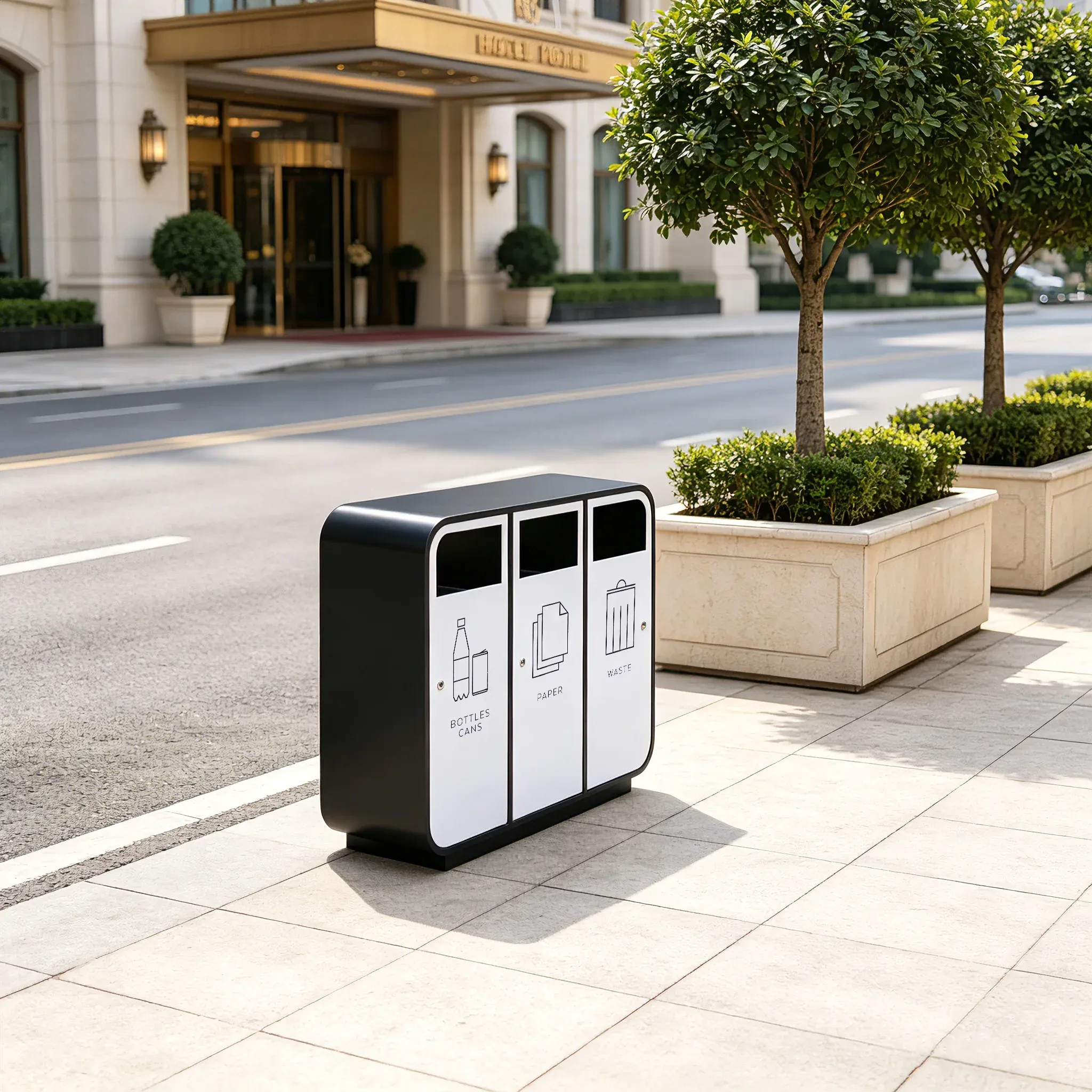
Public recycling bins must handle outdoor exposure, frequent use, cleaning, and sometimes rough public behavior. Material selection should balance durability, appearance, cost, and maintenance.
Material | Best Use | Advantages | Buyer’s Notes |
Galvanized steel | Municipal streets, parks, schools, commercial areas | Strong, cost-effective, suitable for powder coating | Check coating quality and weld protection |
Stainless steel 304 | Premium public spaces, humid environments, commercial buildings | Clean appearance and better corrosion resistance | Higher cost than galvanized steel |
Stainless steel 316 | Coastal, high-humidity, or chloride-rich environments | Stronger corrosion resistance | Best for harsh outdoor environments |
Aluminum | Modern commercial spaces, lighter-weight bins | Rust-resistant and lighter | Confirm thickness and reinforcement |
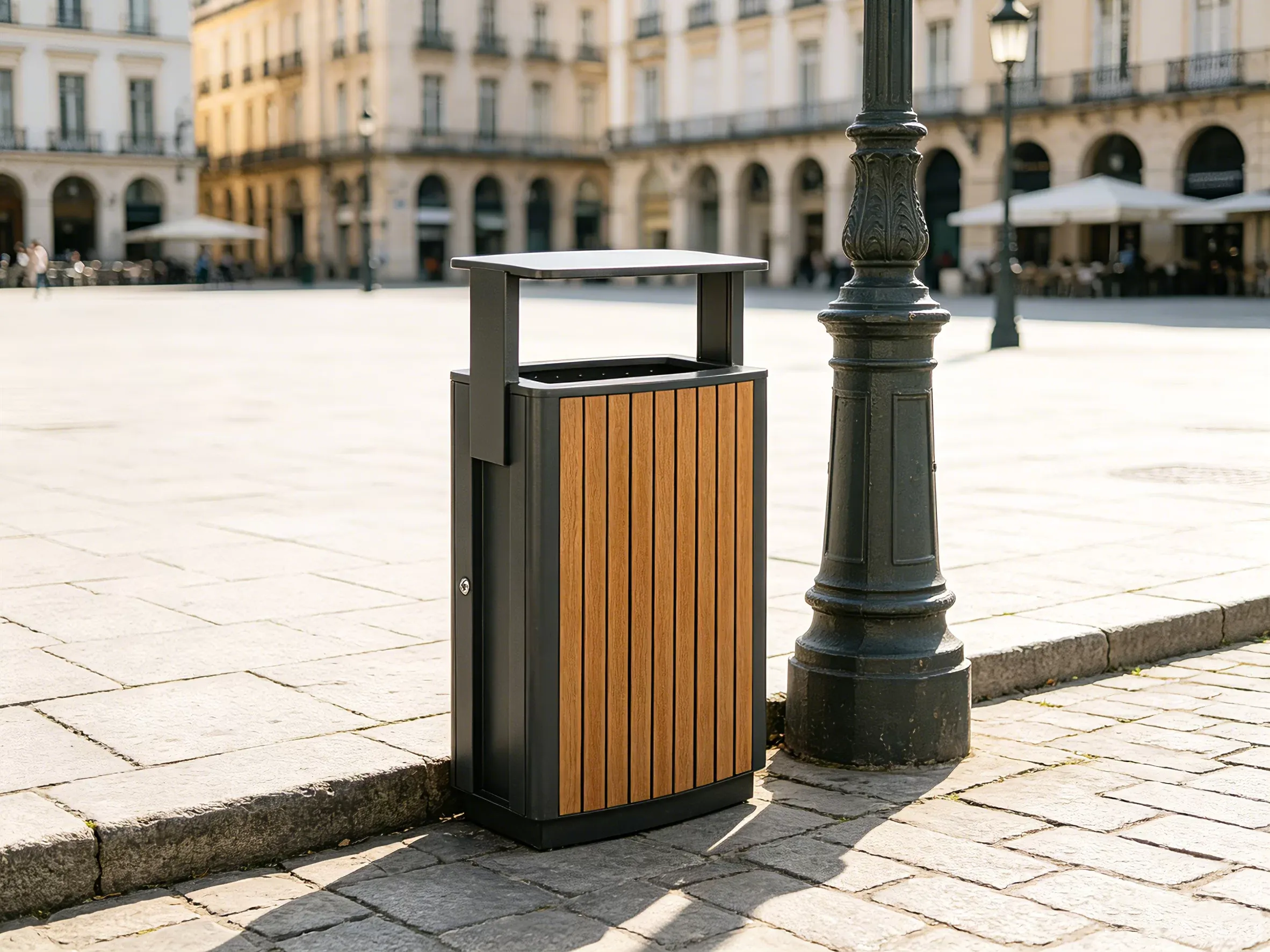
Steel + plastic wood | Parks, scenic areas, landscape spaces | Warmer appearance with metal structure | Check UV resistance and fixing method |
Powder-coated metal | Most outdoor projects | Flexible colors and better surface protection | Coating quality affects long-term performance |
For most outdoor recycling bins, galvanized steel with outdoor powder coating is a practical choice for public projects. Stainless steel is more suitable for premium or high-humidity environments. Aluminum can be useful where lighter weight or a modern look is preferred.
LVEN’s recycling bin page states that outdoor models can use galvanized steel, stainless steel, aluminum, and outdoor powder-coated finishes to improve corrosion resistance, UV resistance, and weather durability. It also notes that sorting labels, capacity, color, and structural layout can be customized for local regulations, project needs, and application scenarios.
Inner Buckets, Doors and Maintenance Design
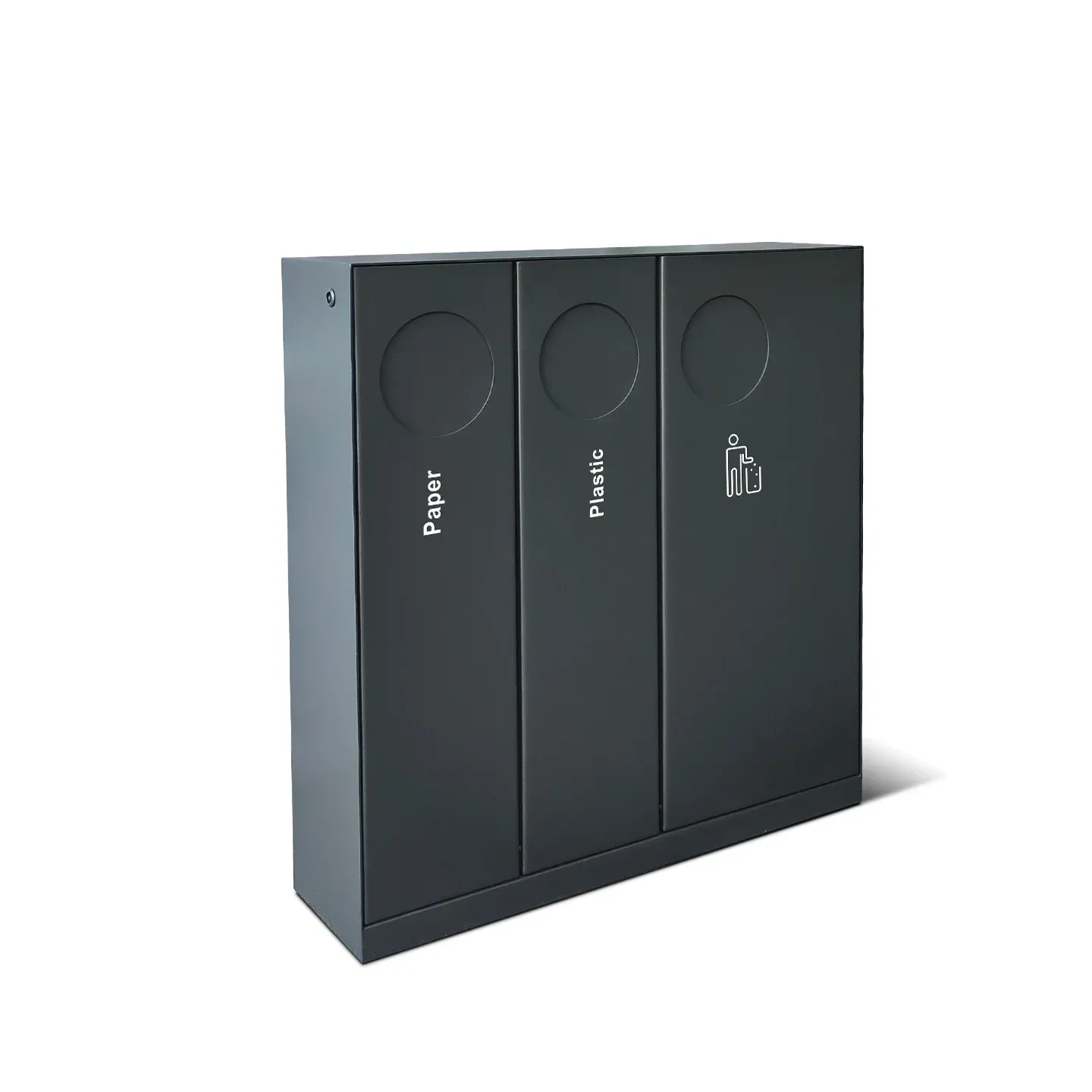
Maintenance design is one of the most important parts of outdoor recycling bin selection. A bin that looks attractive but is difficult to empty will create problems for cleaning teams.
Inner Buckets
Each compartment should have a clear inner bucket or liner. For outdoor use, common options include galvanized steel liners, stainless steel liners, or powder-coated liners. A removable liner makes cleaning easier and protects the outer shell from leakage.
Access Doors
Front or rear access doors help maintenance teams remove full liners without lifting waste through the top opening. For larger public recycling bins, doors should be strong, lockable, and easy to open.
Locks and Hinges
Locks help prevent tampering. Hinges should be strong enough for repeated daily use. Weak hinges are a common failure point in public waste bins, especially when maintenance is frequent.
Bag Holders
Some projects prefer bag holders instead of hard liners. This may reduce weight, but it can also make the bin less structured and harder to clean if bags leak. For public spaces, hard liners are usually more stable.
Where to Use Outdoor Recycling Bins in Public Spaces?
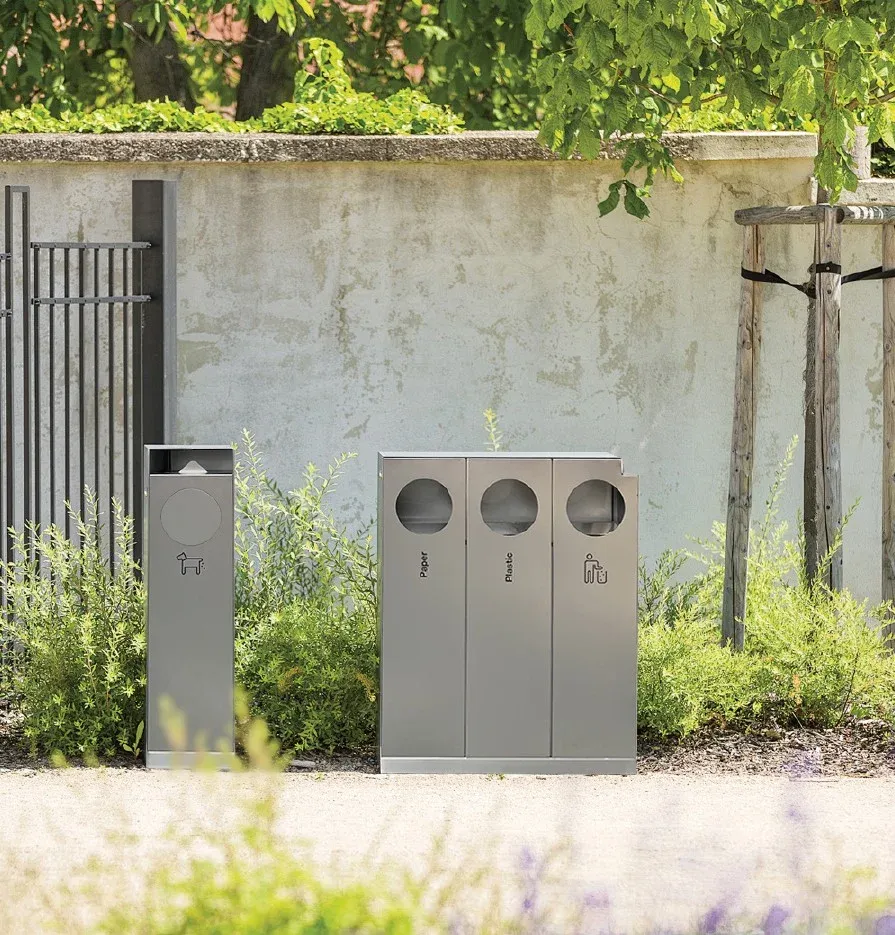
Outdoor recycling bins can be used in many public and commercial environments, but the structure should match the site.
Application Area | Recommended Structure | Key Requirement |
Parks | 2-compartment or 3-compartment | Simple labels, landscape-friendly design |
Streets | 2-compartment | Slim profile and clear pedestrian flow |
Schools | 3-compartment or 4-compartment | Educational labels and durable structure |
Commercial centers | 2-compartment or 3-compartment | Clean appearance and easy maintenance |
Office buildings | 3-compartment | Paper, recyclables, general waste |
Hotels | 2-compartment | Discreet design and premium finish |
Scenic areas | 2-compartment or 3-compartment | Larger capacity near entrances and food areas |
Transit hubs | 3-compartment or 4-compartment | High capacity and strong structure |
Placement should also protect pedestrian movement. The U.S. Access Board’s public right-of-way accessibility guidance focuses on making pedestrian facilities accessible and usable by pedestrians with disabilities. For recycling bins, the practical lesson is that bins should be visible and convenient, but should not block accessible routes or create hazards in walking areas.
Maintenance Planning: How to Reduce Contamination and Cleaning Cost?
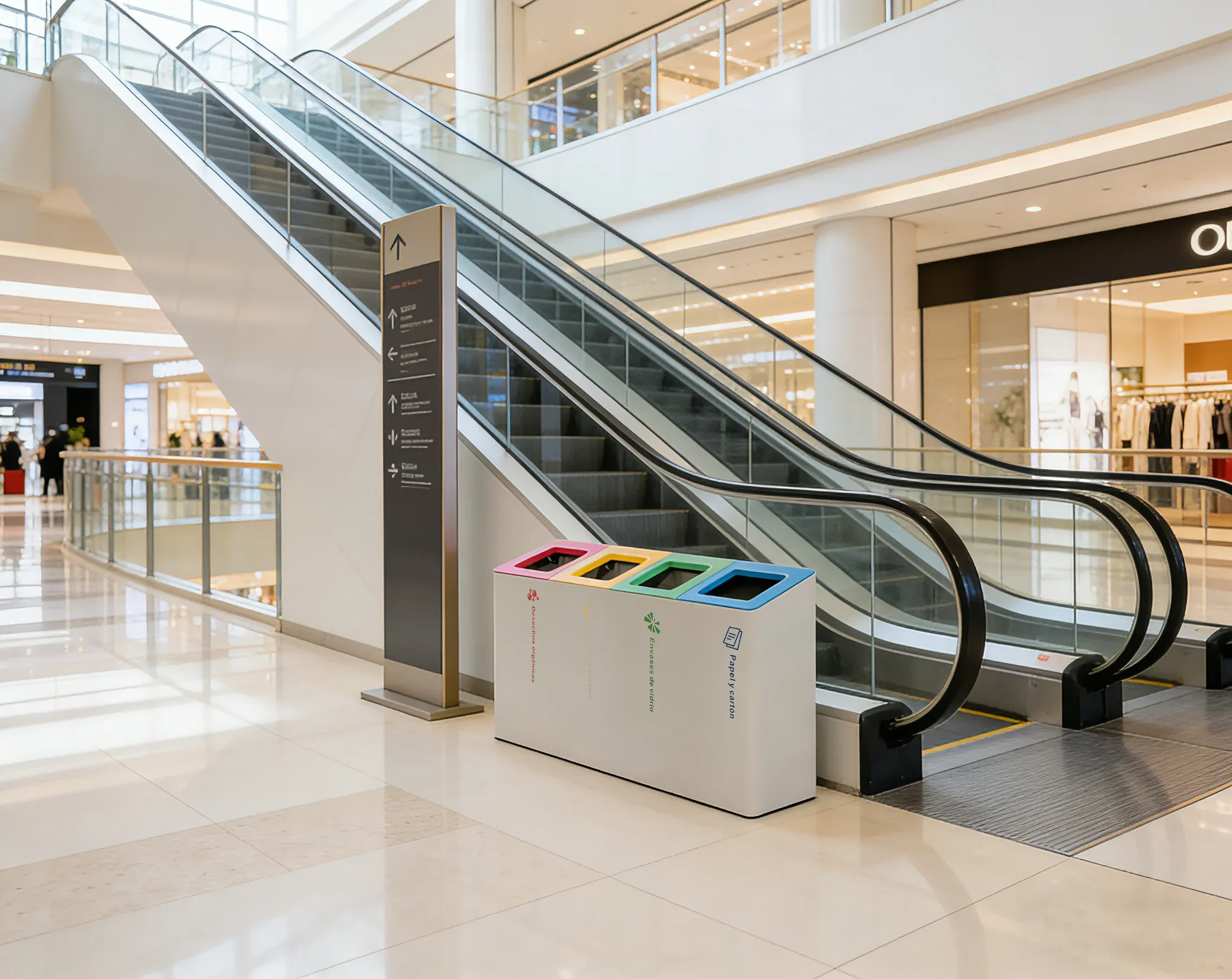
A recycling bin system only works when it is easy to maintain. Buyers should plan maintenance before confirming the product design.
A strong maintenance plan should include:
① Matching compartment capacity to actual waste volume
② Emptying high-use compartments more frequently
③ Cleaning label panels regularly
④ Checking liners for leakage
⑤ Inspecting locks, hinges, and doors
⑥ Removing contamination before it spreads
⑦ Using clear signage near bins in high-traffic areas
⑧ Training cleaning teams on local sorting rules
A common mistake is using the same capacity for every stream. In real use, general waste may fill faster than paper, or bottles may fill faster than landfill waste in tourist zones. LVEN’s recycling bin FAQ notes that each compartment can be adjusted because different waste types are generated in different volumes, such as larger general waste capacity in commercial spaces or more recyclable capacity for schools and office buildings.
For long-term outdoor use, the structure also matters. LVEN’s manufacturing capability includes metal fabrication, welding, grinding, powder coating, and modular assembly, with surface treatment designed to improve weather resistance for public outdoor furniture.
Buyer’s Checklist for Outdoor Recycling Receptacles
Use this checklist before requesting a quote.
Buying Item | What to Confirm | Why It Matters |
Application | Park, street, school, hotel, commercial center, transit hub | Determines size, structure, and material |
Waste streams | General waste, recyclables, paper, plastic, cans, food waste | Determines number of compartments |
Compartment count | 2-stream, 3-stream, 4-stream, multi-stream | Controls sorting complexity |
Capacity | Equal or different capacity per compartment | Prevents overflow in one stream |
Labels | Text, icons, language version, local sorting terms | Reduces user mistakes |
Colors | Local recycling colors or project color system | Improves recognition |
Opening type | Round, slot, rectangle, covered, custom shape | Guides sorting behavior |
Material | Galvanized steel, stainless steel, aluminum, plastic wood | Affects durability and cost |
Surface finish | Powder coating, stainless finish, wood grain, custom color | Affects appearance and weather resistance |
Inner liner | Galvanized, stainless steel, powder-coated, bag holder | Affects cleaning efficiency |
Access design | Front door, rear door, top access, lock | Affects maintenance speed |
Installation | Freestanding, surface-mounted, embedded | Affects stability and theft prevention |
Customization | Logo, color, label, size, structure, packaging | Matches project and brand needs |
Bulk order support | Samples, drawings, QC, spare parts, repeat orders | Supports long-term projects |
A complete inquiry should include the project type, waste streams, number of compartments, preferred capacity, material, color, label language, installation method, quantity, and delivery destination.
How LVEN Supports Public Recycling Bin Projects?
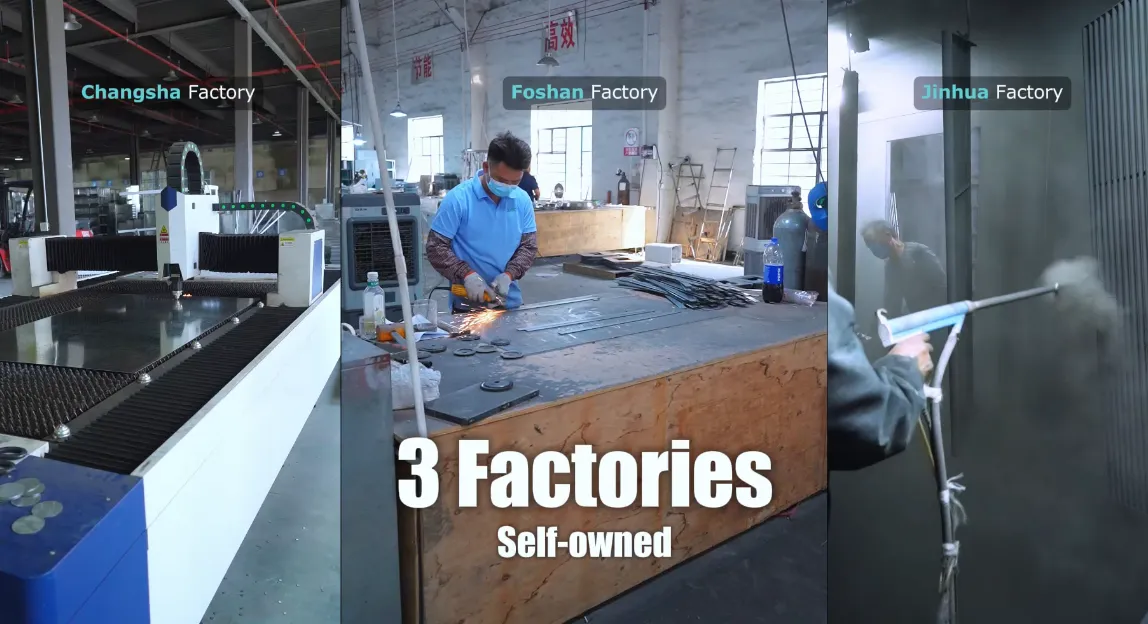
LVEN provides commercial recycling bins and outdoor recycling receptacles as part of its urban furniture product range. Its recycling bin series supports single-stream, dual-stream, three-stream, and multi-stream systems, with customizable sorting text, icons, colors, language versions, opening styles, capacity, and structural layouts.
LVEN also provides one-stop urban furniture solutions, including trash bins, park benches, planters, bicycle racks, and related public furniture. This helps project buyers coordinate recycling bins with other products in color, material, and design style for a unified public space image.
For recycling bin projects, LVEN can support:
① 2-compartment, 3-compartment, 4-compartment and multi-stream recycling bins
② Custom sorting labels, icons, colors and language versions
③ Different capacity designs for each compartment
④ Galvanized steel, stainless steel, aluminum and powder-coated finishes
⑤ Outdoor corrosion-resistant and UV-resistant surface treatment
⑥ Removable inner buckets and easy-clean structures
⑦ Custom openings for bottles, paper, cans and general waste
⑧ Matching design with outdoor trash bins, benches, planters and bicycle racks
⑨ OEM/ODM support, bulk production, export packaging and project coordination
This is especially useful for municipal buyers, distributors, contractors, schools, commercial centers, hotels, office parks, scenic areas and public institutions that need both sorting function and long-term outdoor durability.
FAQ About Outdoor Recycling Bins
What are outdoor recycling bins?
Outdoor recycling bins are public waste containers designed to collect recyclables separately from general waste in outdoor environments such as parks, streets, schools, commercial centers, transit hubs and scenic areas.
What is a recycling receptacle?
A recycling receptacle is a container used to collect recyclable materials. It may be a single recycling bin or a multi-compartment unit that separates general waste, paper, plastic, cans, glass, food waste or other categories.
How many compartments should public recycling bins have?
For simple public use, 2 compartments are often enough. For schools, offices and commercial facilities, 3 compartments may be better. For controlled public buildings, campuses or municipal recycling points, 4 compartments can support more detailed sorting.
What material is best for outdoor recycling bins?
Galvanized steel with outdoor powder coating is practical for many public projects. Stainless steel is better for premium or humid environments. Aluminum is useful when lighter weight and corrosion resistance are important.
Why do recycling bins need clear labels?
Clear labels help users identify the right compartment quickly. Good labels reduce sorting mistakes, contamination and maintenance problems. Icons, colors and simple wording are usually more effective than text-only labels.
Can each compartment have a different capacity?
Yes. Different waste streams may be generated in different volumes. For example, commercial areas may need larger general waste capacity, while schools or offices may need more space for paper or recyclables.
Can outdoor recycling receptacles be customized?
Yes. Outdoor recycling receptacles can be customized by size, material, color, surface finish, compartment layout, capacity, opening shape, labels, language version, logo, inner bucket and installation method.
Conclusion
Choosing outdoor recycling bins for public spaces is not only about adding more compartments. A good recycling receptacle must match real waste streams, local sorting rules, user behavior, maintenance capacity and the outdoor environment.
For simple public areas, a 2-compartment recycling bin is often the clearest choice. For schools, offices and commercial spaces, 3 compartments can provide better sorting control. For campuses, municipal points and public buildings with stronger waste management requirements, 4 compartments or customized multi-stream systems may be suitable.
The most important details are clear labels, practical colors, durable materials, easy-clean inner buckets, strong doors and hinges, and a maintenance plan that reduces contamination.
LVEN supports outdoor recycling bin projects with customizable compartment layouts, sorting labels, materials, colors, capacities, openings, inner liners, surface finishes and coordinated public furniture solutions.
Contents