Where Should Trash Cans Be Placed Outside? A Practical Guide
 12
12  Share
Share
Outdoor trash cans should be placed in locations that are easy for users to access, convenient for maintenance teams to service, and suitable for the surrounding environment.
The correct placement of outdoor trash cans is not simply about finding an empty space. For commercial properties, parks, schools, streets, and public facilities, the location directly affects waste collection efficiency, cleanliness, user behavior, and the overall appearance of the environment.
A well-positioned trash can encourages proper disposal because people are more likely to use a container when it is visible and convenient. At the same time, the placement should allow maintenance staff to empty and clean the container efficiently without disrupting daily activities.
For this reason, commercial projects should consider pedestrian flow, surrounding facilities, weather exposure, accessibility, and maintenance requirements before installing outdoor trash receptacles.
What Factors Should Be Considered When Placing Outdoor Trash Cans?
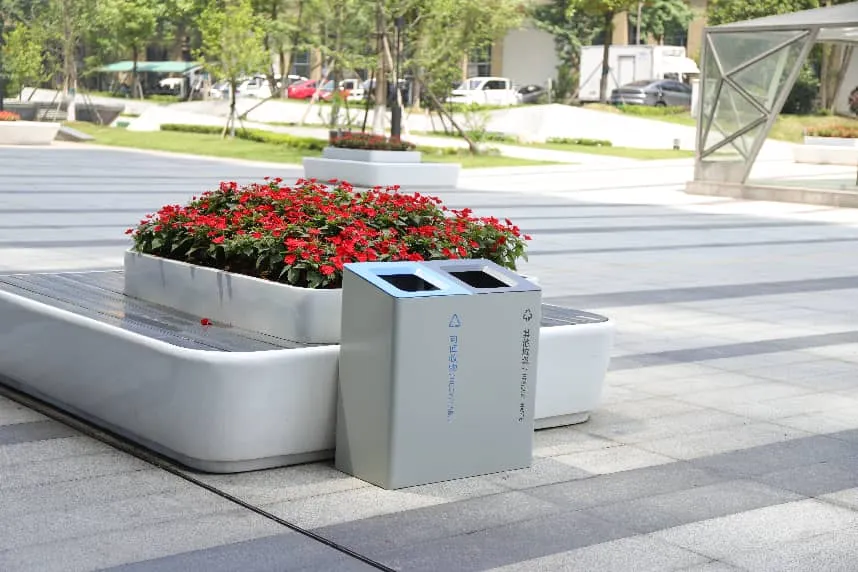
The best location for an outdoor trash can depends on how people use the space and how waste is generated.
In high-traffic areas, containers should be placed where people naturally pass or gather, such as entrances, seating areas, walking paths, and common activity zones. However, they should not block pedestrian movement or create unnecessary obstacles.
Visibility is also important. A trash can that is difficult to see may reduce proper waste disposal because users are less likely to search for a container. This is especially important in public spaces where visitors may not be familiar with the environment.
At the same time, placement should consider maintenance access. Waste collection teams need enough space to safely remove waste, open service doors, and perform cleaning operations.
A successful placement strategy balances user convenience with operational efficiency.
Where Should Outdoor Trash Cans Be Placed in Parks and Public Spaces?
Parks and public spaces usually require carefully planned trash can placement because they serve large numbers of visitors throughout the day.
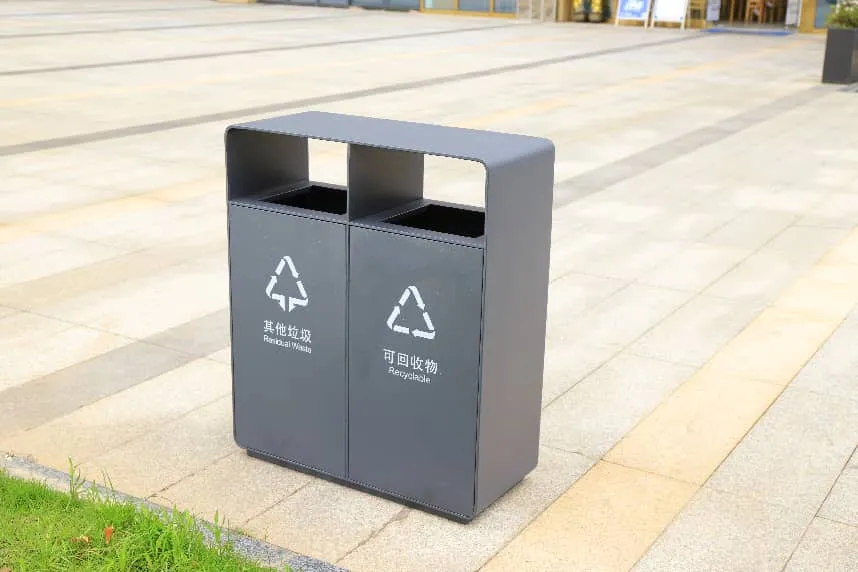
Outdoor trash cans are commonly positioned near areas where waste is naturally generated, such as seating zones, picnic areas, playgrounds, entrances, and walking routes. These locations allow visitors to dispose of waste conveniently while reducing litter throughout the space.
However, placing too many containers randomly can affect the landscape design and increase maintenance difficulty. A better approach is to create a planned waste collection system where container locations match visitor movement patterns.
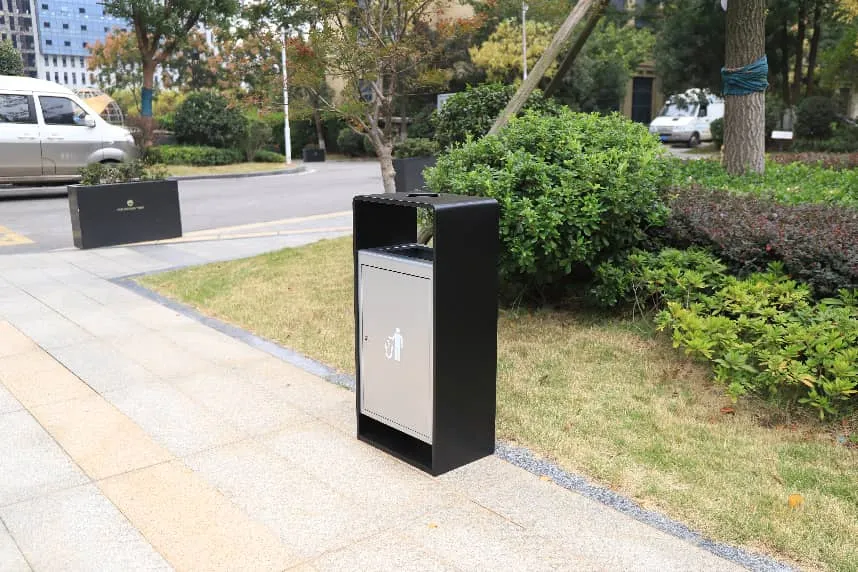
For parks and urban projects, the design of the trash receptacle itself also matters. Products should not only provide waste collection functionality but also integrate with the surrounding environment.
Where Should Commercial Trash Bins Be Installed?
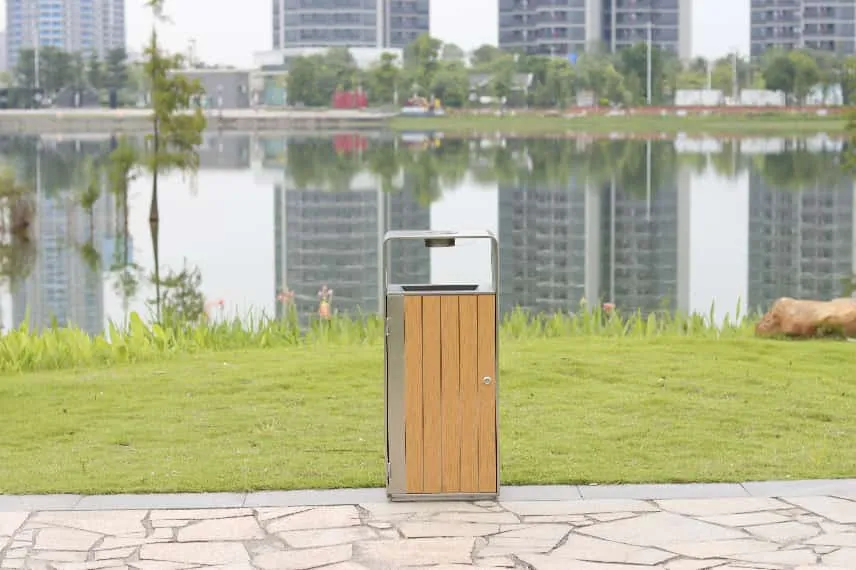
Commercial properties require a balance between accessibility, appearance, and maintenance efficiency.
For shopping centers, office buildings, restaurants, and commercial developments, commercial trash bins are often placed near entrances, outdoor dining areas, parking zones, and shared public spaces where waste generation is higher.
The placement should support daily operation without affecting customer experience. For example, containers should be accessible but should not interfere with pedestrian movement or become a visual distraction from the surrounding design.
Commercial buyers should also consider the relationship between trash can placement and cleaning schedules. A well-planned location allows maintenance teams to collect waste efficiently and helps maintain a cleaner environment.
How Does Placement Affect Outdoor Trash Receptacle Performance?
The location of an outdoor trash receptacle influences not only user behavior but also the product’s long-term performance.
A container installed in an exposed outdoor area may experience more rain, sunlight, and environmental changes compared with one placed in a partially protected location. Therefore, placement decisions should consider whether the selected product is suitable for the expected conditions.
For example, areas exposed to frequent rainfall may benefit from containers with covered openings and weather-resistant structures. Locations with heavy public use may require stronger designs that can withstand repeated operation.
This means product selection and placement planning should work together. The best outdoor waste solution is not only the right container but also the right location.
How Should Outdoor Garbage Bins Be Positioned for Easy Maintenance?
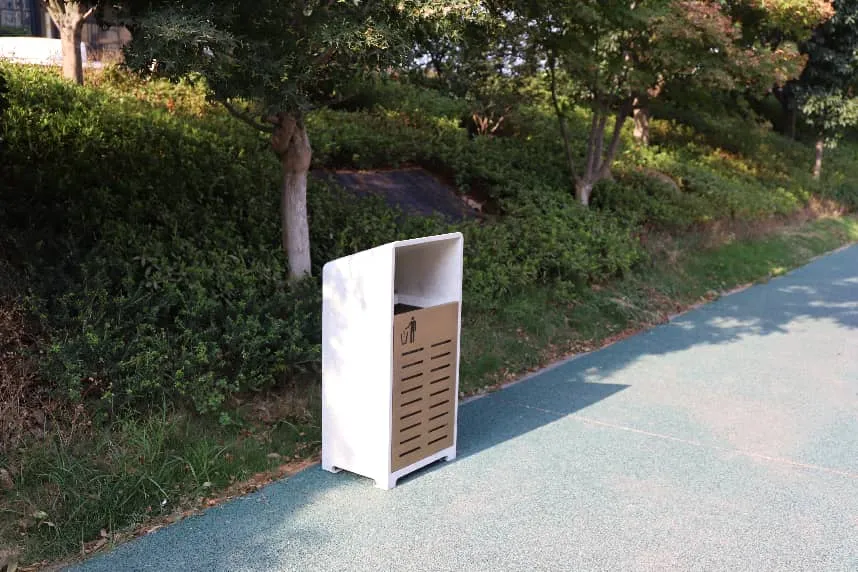
Maintenance access is an important consideration that is sometimes overlooked during installation planning.
Outdoor garbage bins should be positioned where service teams can easily reach, empty, and clean them. If a container is placed in a narrow area or difficult-to-access location, routine maintenance may become inefficient and increase operating costs.
For commercial and municipal projects, installation planning should consider the movement of maintenance vehicles, service personnel access, and the frequency of waste collection.
A practical placement strategy helps extend product usability because proper maintenance can prevent issues caused by overflow, improper cleaning, or delayed waste removal.
How Do You Choose the Right Outdoor Trash Can Location for Different Environments?
Different environments require different placement strategies.
A school may need trash cans near entrances, playgrounds, and activity areas because students and visitors generate waste in these locations. A hotel or resort may focus more on integrating trash receptacles into landscaped areas while maintaining easy access for guests and staff.
Municipal projects may require broader planning because containers need to support public usage while matching urban design requirements.
Therefore, the placement decision should always begin with understanding how people move through the space and how waste is generated.
The most effective outdoor waste management systems combine appropriate products with thoughtful placement planning.
Can Outdoor Trash Cans Be Customized for Different Placement Requirements?
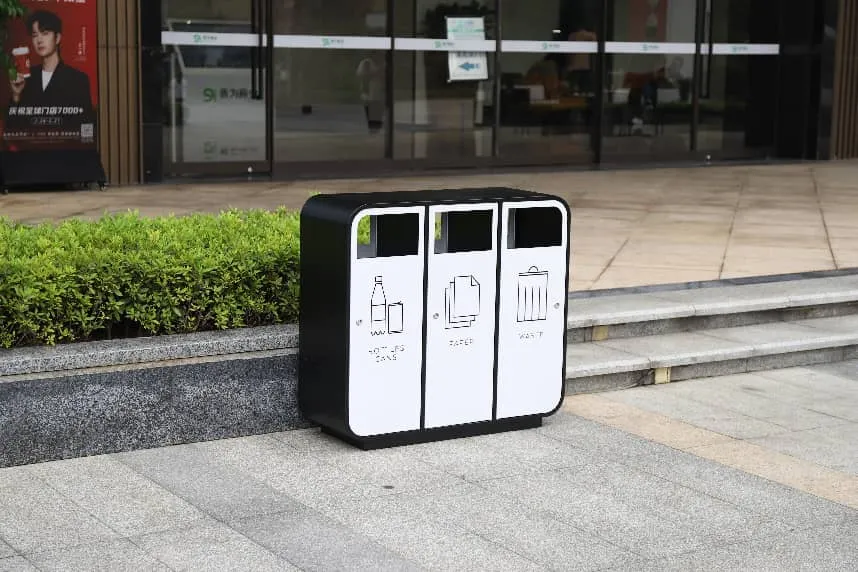
Yes. Commercial projects often require customized outdoor trash cans because different installation environments have different functional and design requirements.
For example, a narrow pedestrian area may require a compact design, while a park or commercial plaza may need larger capacity solutions. Projects may also require specific materials, finishes, colors, or structures to match the surrounding environment.
LVEN supports customized outdoor waste solutions for distributors, contractors, and project owners. By considering application conditions, product design, and manufacturing requirements together, LVEN helps customers develop solutions suitable for different outdoor environments.
Why Choose LVEN for Outdoor Trash Can Solutions?
Choosing the right outdoor trash can involves more than selecting a product model. Commercial projects need solutions that consider placement, durability, maintenance, and overall environmental coordination.
LVEN specializes in outdoor public furniture solutions, including outdoor trash bins, recycling bins, benches, planters, and other urban furniture products. Through customized manufacturing and project support, LVEN helps customers create practical waste management solutions for parks, commercial spaces, communities, and public facilities.
By combining product experience with manufacturing capability, LVEN supports customers in developing outdoor environments that are cleaner, more organized, and easier to maintain.
FAQ About Outdoor Trash Can Placement
Where should trash cans be placed outside?
Outdoor trash cans should be placed in visible, accessible locations where waste is commonly generated, such as entrances, seating areas, walking paths, and public activity zones. The location should also allow easy maintenance and waste collection.
How far apart should outdoor trash cans be placed?
The spacing of outdoor trash cans depends on the size of the area, visitor traffic, and waste generation patterns. High-traffic locations usually require more frequent placement than low-use areas.
Should trash cans be placed near entrances?
Yes. Entrances are common locations for outdoor trash cans because visitors often dispose of waste before entering or after leaving a facility. However, placement should avoid blocking pedestrian movement.
Where should commercial trash bins be placed?
Commercial trash bins should be placed near areas with higher waste generation, such as entrances, dining areas, parking spaces, and shared public zones, while maintaining convenient access for maintenance teams.
Contents