Custom Outdoor Trash Bins: Size, Color, Logo and Surface Finish Options
 32
32  Share
Share
Summary
Custom outdoor trash bins help public space projects match real site requirements instead of forcing buyers to accept standard models that may not fit the environment, capacity, color system, branding, or installation method. For parks, streets, commercial centers, schools, hotels, scenic areas, and municipal projects, customization can cover bin size, waste capacity, material, color, surface finish, logo, recycling labels, locks, ashtrays, openings, liners, installation methods, and export packaging.
For project buyers and distributors, the goal is not simply to make a bin look different. A successful custom trash bin should be easy to use, durable outdoors, simple to maintain, visually consistent with the space, and practical for batch production. This guide explains what can be customized, how OEM trash bins differ from ODM options, and what information buyers should prepare before sending an inquiry.
Why Custom Outdoor Trash Bins Matter for Projects?
A standard outdoor bin may work for simple procurement, but public space projects often need more precise solutions. A park may need a natural wood-look finish. A commercial plaza may need branded outdoor trash receptacles with a specific color. A municipal street project may require fixed installation, larger capacity, and corrosion-resistant coating. A hotel or scenic area may need a cleaner design with hidden liners and better odor control.
This is why custom outdoor trash bins are important for buyers who need more than a catalog product. Customization helps solve practical project problems such as:
① Capacity mismatch in high-traffic areas
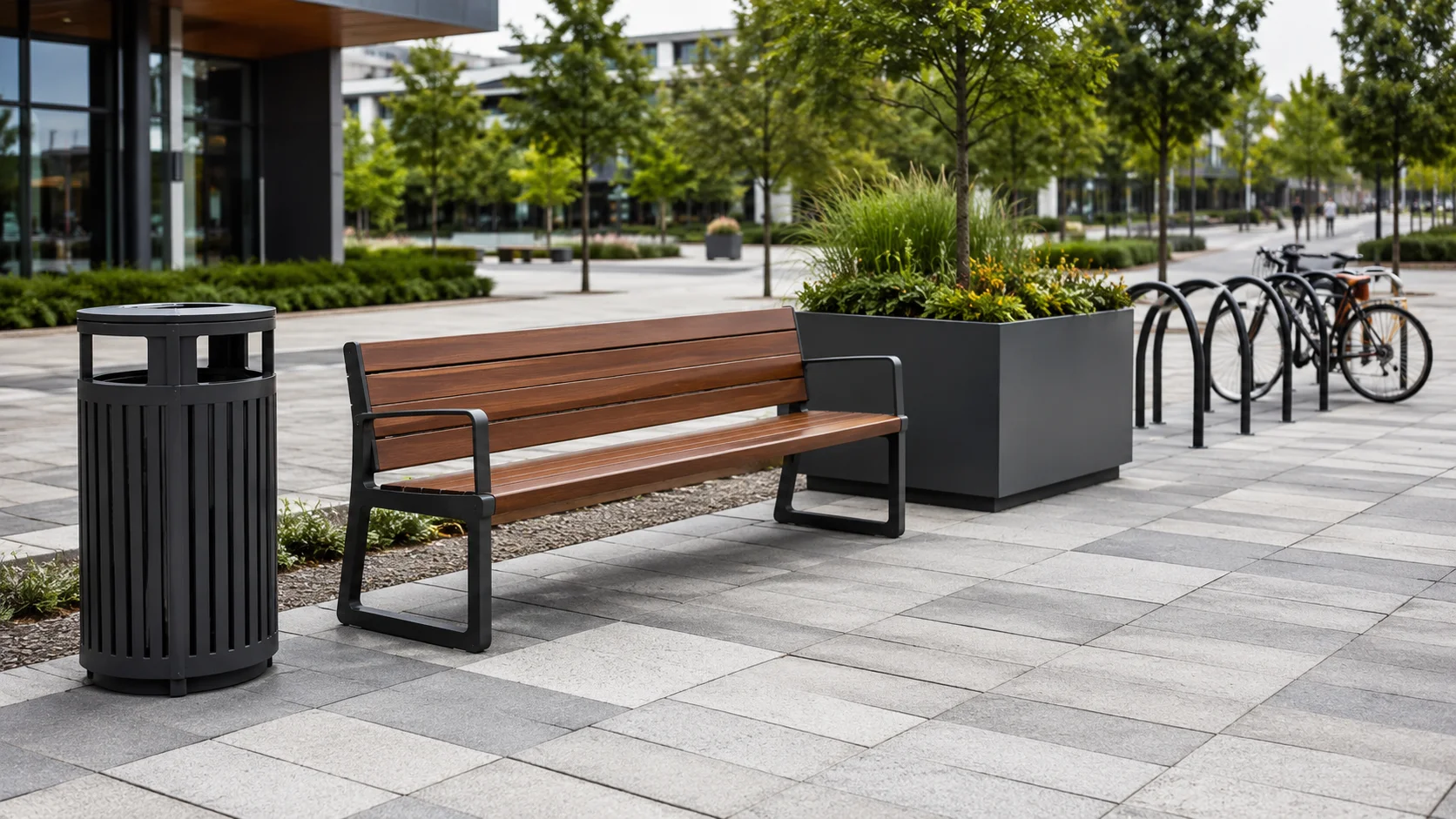
② Color inconsistency across benches, planters, and bins
③ Lack of recycling labels or sorting functions
④ Poor fit with local climate, especially coastal or humid sites
⑤ Inconvenient cleaning and maintenance
⑥ Need for logo branding or project identity
⑦ Installation requirements for streets, parks, campuses, and commercial areas
⑧ Export packaging requirements for bulk orders
LVEN’s website positions the company as an urban furniture manufacturer for public space projects, offering outdoor trash bins, benches, planters, picnic tables, ashtrays, bicycle racks, and other public furniture categories, with OEM/ODM support and customization options for project buyers.
What Can Be Customized on Outdoor Trash Bins?
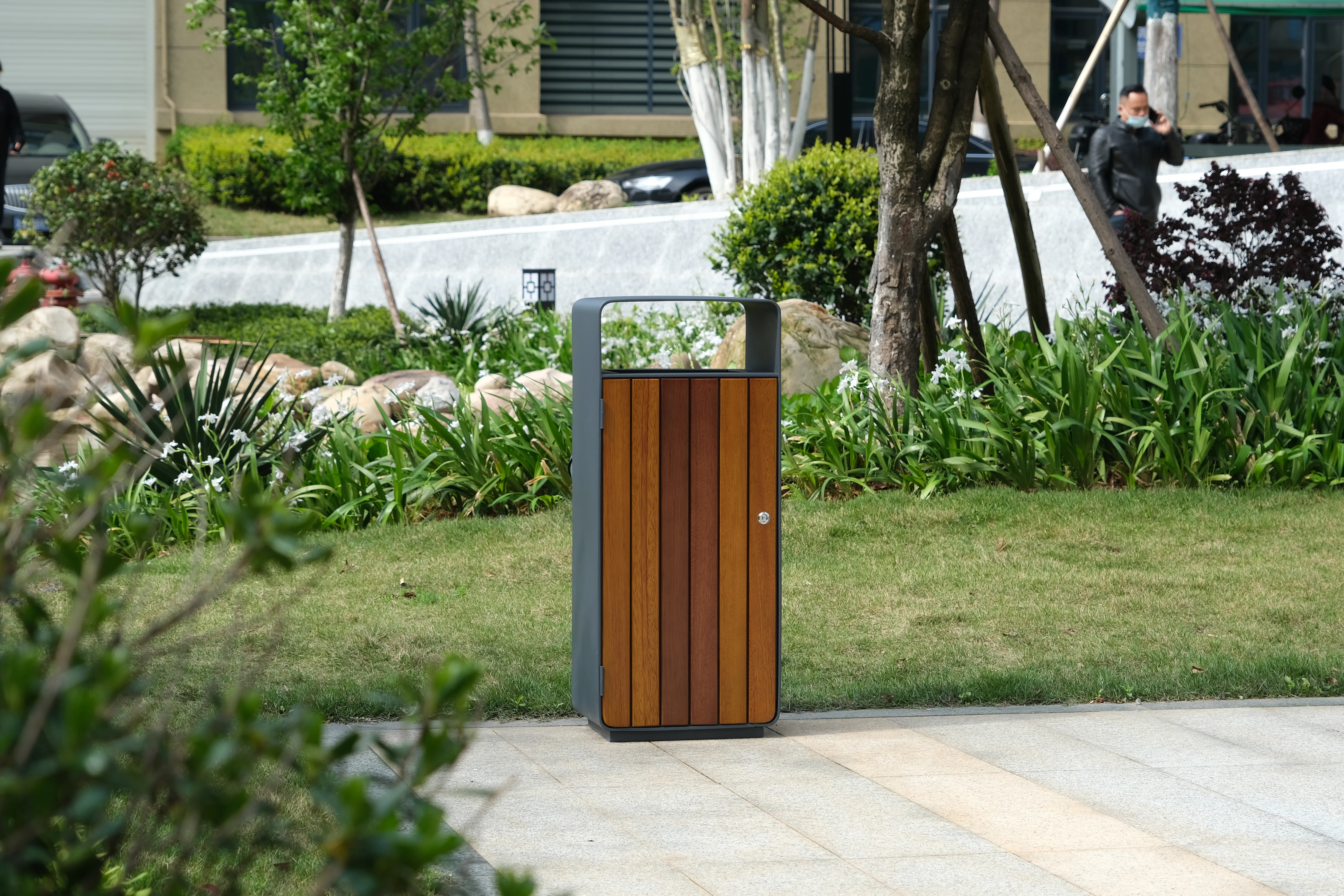
Customizing outdoor bins should start from project function, not decoration. The most useful customization options are the ones that improve fit, durability, cleaning efficiency, and visual consistency.
Custom Item | Common Options | Why It Matters |
Size | Height, width, depth, footprint | Helps fit sidewalks, parks, entrances, corridors, and plazas |
Capacity | 25L, 40L, 50L, 60L, 80L, 100L, 120L or custom | Prevents overflow or oversized placement |
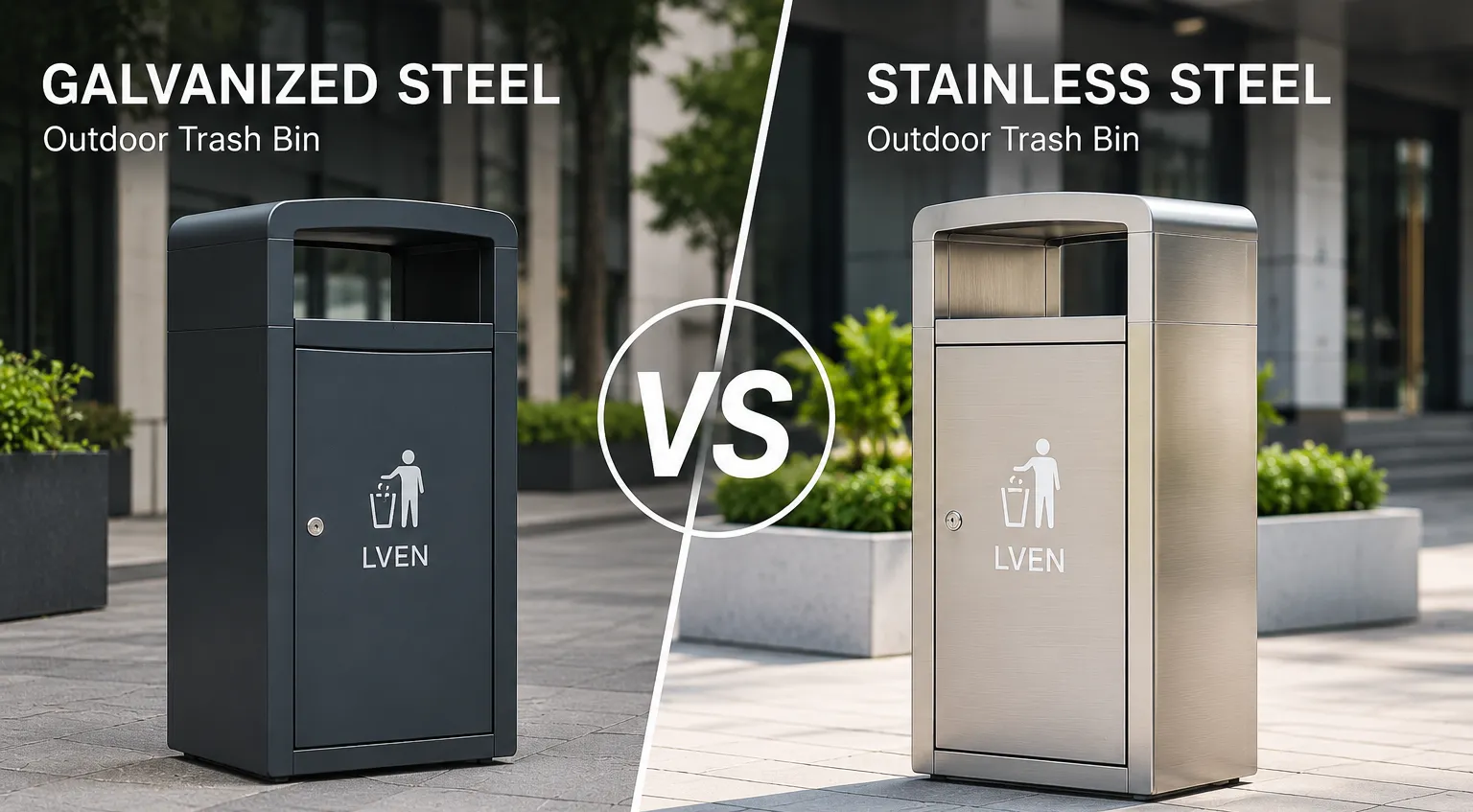
Material | Galvanized steel, stainless steel, aluminum, steel + plastic wood | Affects durability, price, weight, and appearance |
Color | Standard colors, RAL colors, project colors | Matches public space design or brand identity |
Surface finish | Outdoor powder coating, wood grain, stainless finish, stone pattern | Affects weather resistance and visual style |
Logo | Laser cut, silk screen, sticker, plate, engraved logo | Supports branding and project identity |
Sorting labels | General waste, recycling, paper, plastic, food waste | Improves waste separation |
Lock and door | Key lock, hidden door, front access, side access | Supports safety and maintenance |
Opening | Top opening, side opening, rainproof opening, ashtray top | Affects usability, odor, and rain protection |
Inner liner | Galvanized liner, stainless liner, powder-coated liner, bag holder | Makes cleaning easier |
Installation | Freestanding, surface-mounted, embedded, wall-mounted | Affects stability and anti-theft performance |
Packaging | Carton, pallet, plywood crate, export packaging | Reduces shipping damage and loading issues |
For most buyers, the best approach is to customize based on an existing mature model first. This reduces development risk, shortens sampling time, and makes batch production more stable.
How to Customize Trash Bins with Logo?
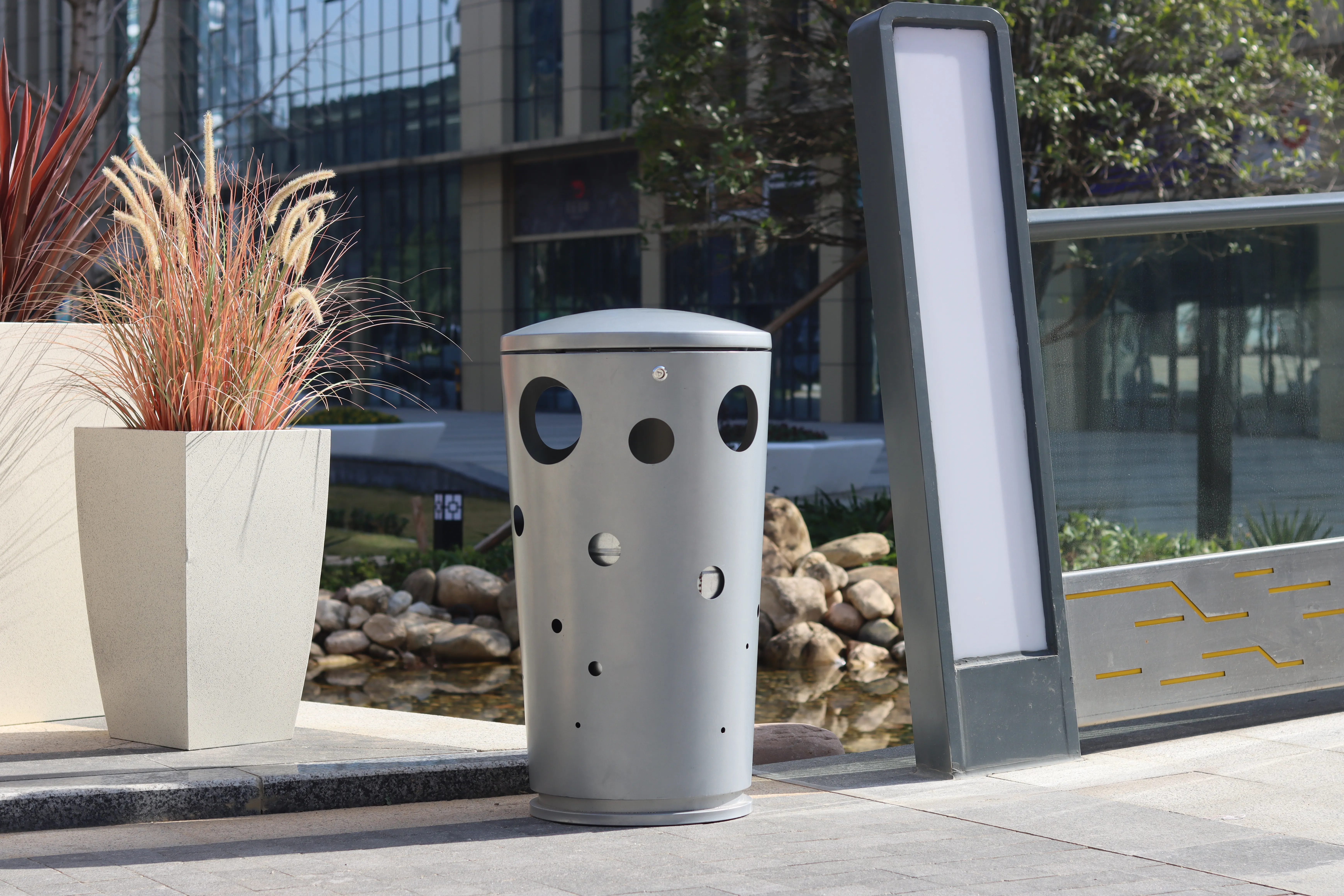
Custom trash bins with logo are common in commercial centers, hotels, campuses, real estate communities, public institutions, and branded outdoor environments. A logo can make the bin part of the site identity instead of a generic public facility.
There are several common logo methods:
Logo Method | Best For | Advantages | Notes |
Silk screen printing | Simple logos, flat surfaces | Cost-effective, clean appearance | Best for simple graphics |
Laser cutting | Metal panels, premium projects | Durable, integrated look | Works well with back plates or contrasting colors |
Metal logo plate | Branded commercial areas | Replaceable, premium feel | Good for distributors and long-term project identity |
Vinyl or weather-resistant sticker | Lower-cost or temporary projects | Flexible and fast | Must confirm outdoor weather resistance |
Engraving | Stainless steel or aluminum surfaces | Durable and subtle | Better for premium or minimalist designs |
For outdoor use, logo size and placement should be practical. A logo placed too low may be scratched during cleaning. A logo placed near the opening may be affected by stains. For commercial projects, a front-facing logo panel is usually better. For municipal projects, small identification plates or sorting symbols may be more appropriate.
When sending a logo request, buyers should provide vector files such as AI, EPS, SVG, or high-resolution PDF. If only a JPG or PNG is available, the supplier may need to redraw it before production.
Color and Surface Finish Options for Outdoor Trash Cans
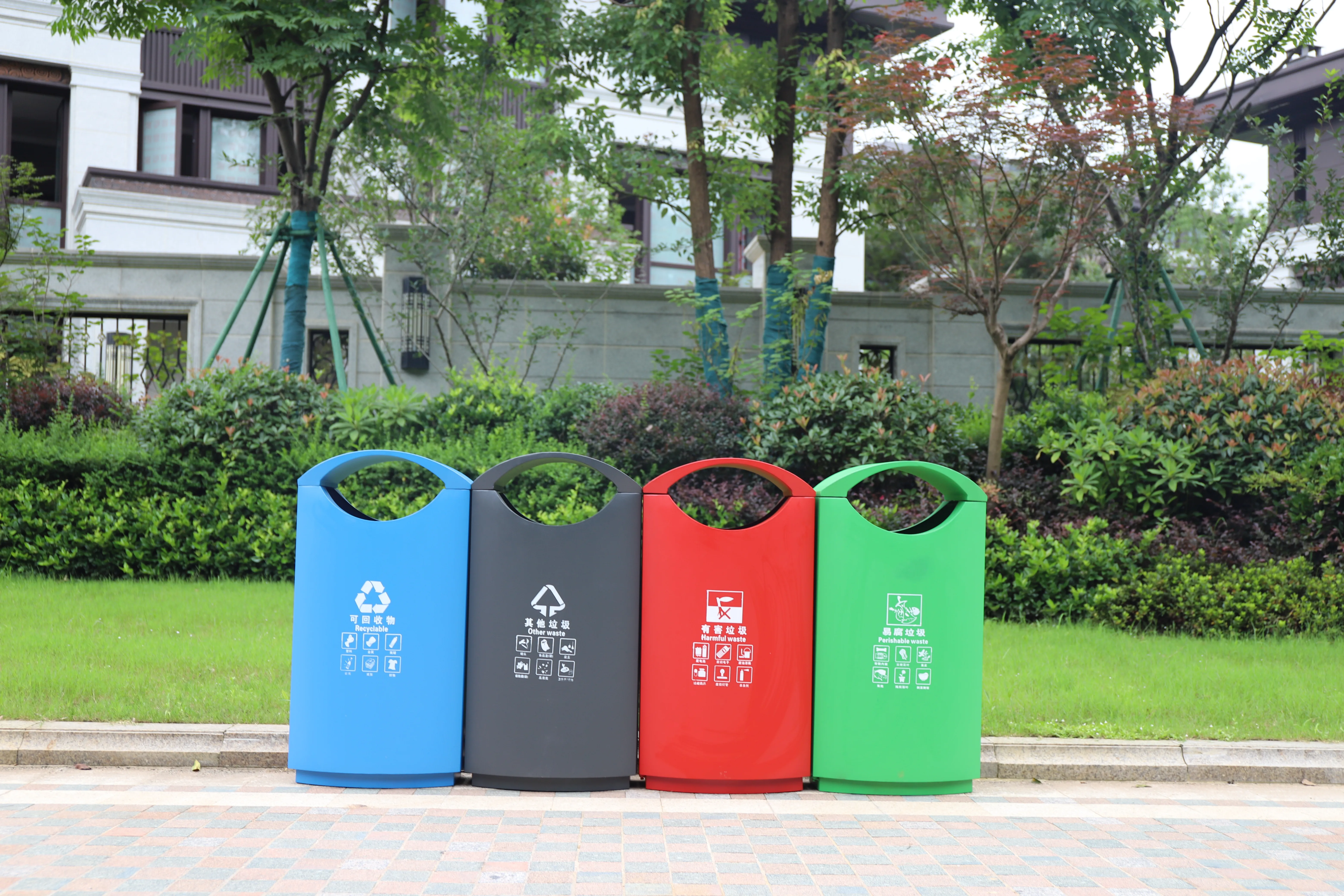
Color is one of the most visible parts of customization. It affects how the bin blends into a landscape, stands out for waste collection, or matches a commercial brand.
Common color directions include:
① Dark grey or black for modern commercial areas
② Green or brown for parks and scenic areas
③ Stainless steel color for premium public interiors or outdoor entrances
④ Yellow, blue, green, or red for recycling classification
⑤ Wood grain finish for natural landscape projects
⑥ Stone pattern for plazas and streetscape projects
⑦ Custom brand colors for hotels, campuses, shopping centers, and real estate projects
For industrial and architectural color matching, RAL is widely used as a professional color standard for paints, coatings, plastics, architecture, skilled trades, and industry. When buyers need accurate color communication, providing a RAL code is usually more reliable than sending a phone photo or vague color description.
Surface finish is equally important. Outdoor bins usually need powder coating, stainless steel finishing, wood grain transfer, or other weather-resistant treatments. The Powder Coating Institute describes powder coating as a durable finishing method used to protect products ranging from heavy-duty machinery to everyday items, and powder coating is often selected where durability matters.
For project orders, buyers should confirm:
① Indoor or outdoor use
② Sunlight and UV exposure
③ Coastal, humid, dry, or high-temperature environment
④ Required coating thickness or special finish
⑤ Color sample approval process
⑥ Whether the color must match other furniture products
Custom Recycling Labels and Sorting Design
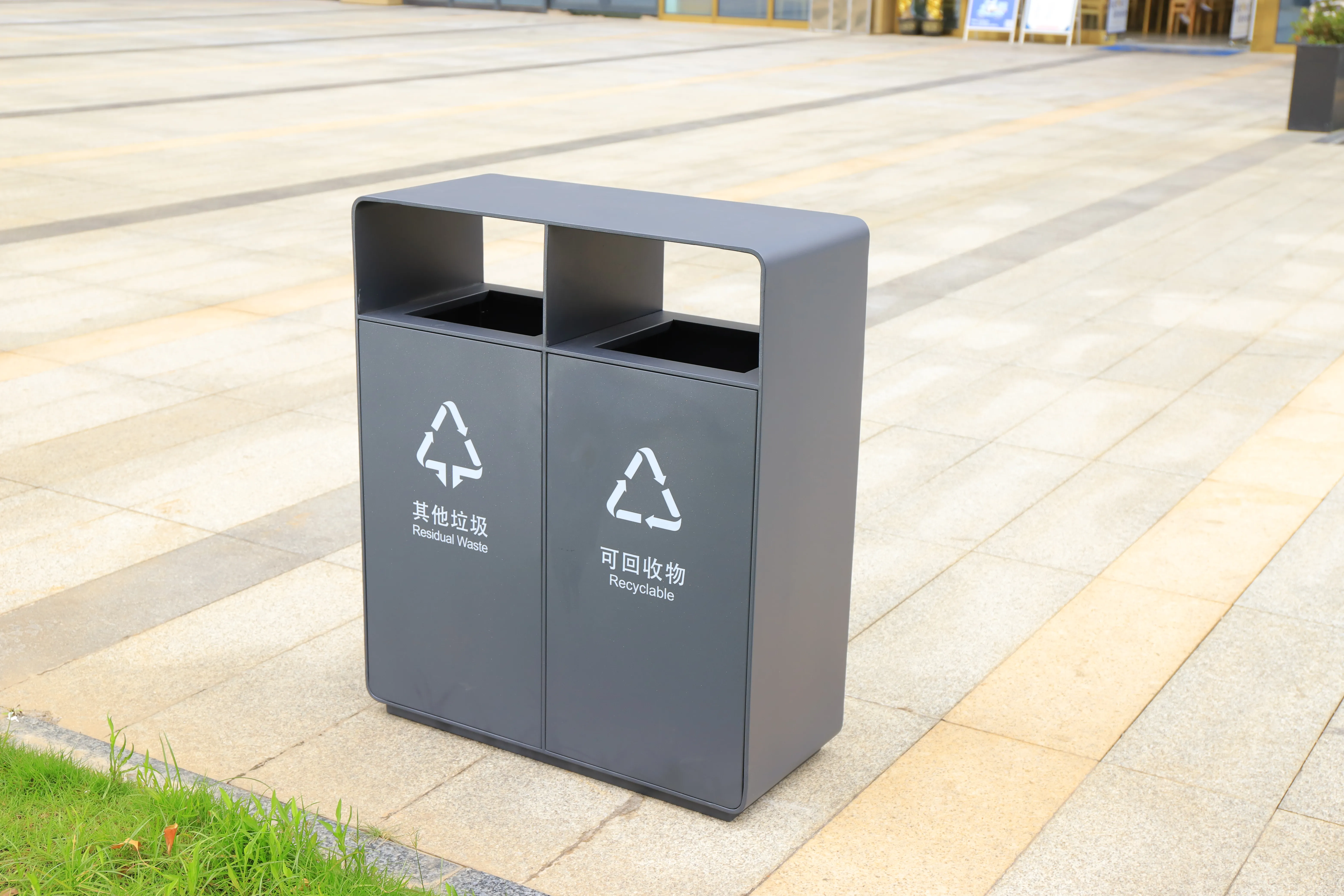
Recycling receptacles are increasingly common in commercial, school, municipal, and public-space projects. However, more compartments do not automatically create better sorting results. The design must be easy to understand.
The U.S. EPA defines recycling as collecting and processing materials that would otherwise be thrown away as trash and turning them into new products. EPA also explains that recycling should be part of a wider waste management hierarchy, where reduction and reuse come before recycling.
For custom recycling bins, buyers should focus on clarity:
① Use simple categories: General Waste, Recyclables, Paper, Plastic, Food Waste
② Use clear icons, not text only
③ Match opening shapes to waste type when possible
④ Use durable label materials for outdoor exposure
⑤ Avoid too many categories if users may be confused
⑥ Use consistent colors across the entire project
For international projects, icon-based labels are often better than language-only labels because public users may include tourists, students, or people speaking different languages.
Locks, Ashtrays, Openings and Inner Bucket Options
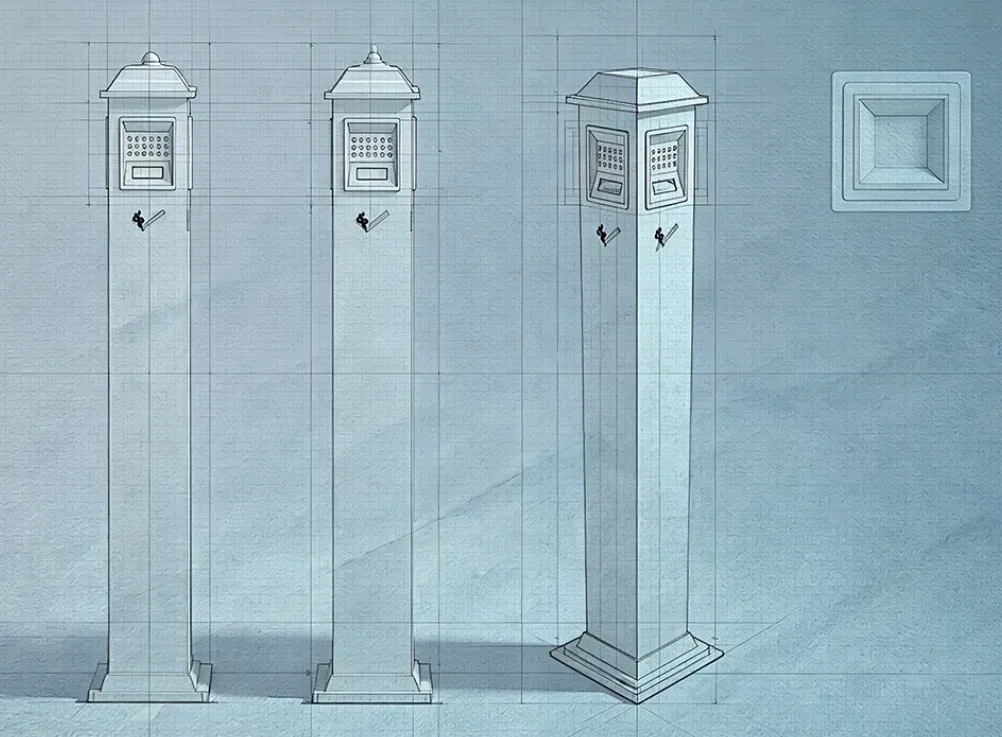
A customized outdoor trash can is not only about external size and color. Small functional details often decide whether the product is easy to use and maintain.
Lock Options
Locks help prevent tampering and keep the structure secure in public spaces. For streets, parks, and commercial areas, lockable doors are often recommended. Buyers should confirm whether one key can open multiple bins in a project, which can simplify maintenance.
Ashtray Options
Some outdoor bins can include ashtrays or cigarette disposal sections. This is useful in hotels, commercial streets, office parks, transport areas, and designated smoking zones. The design should separate cigarette waste from general waste to reduce fire risk and make cleaning easier.
Opening Design
Common openings include top openings, side openings, rainproof openings, bottle/can openings, and split openings for recycling. For outdoor use, a covered or semi-covered design can help reduce rainwater entry.
Inner Bucket and Liner
The inner bucket is one of the most important maintenance features. Galvanized liners are common, while stainless steel liners may be preferred for higher weather resistance. A removable liner makes cleaning faster and protects the outer shell from waste leakage.
LVEN’s outdoor trash bin page lists multiple outdoor trash can models and notes customization availability. Its FAQ also mentions options such as stainless steel or galvanized inner buckets, custom sizes, powder coating choices, custom colors, and style customization based on drawings or images.
Installation and Packaging Options for Project Orders
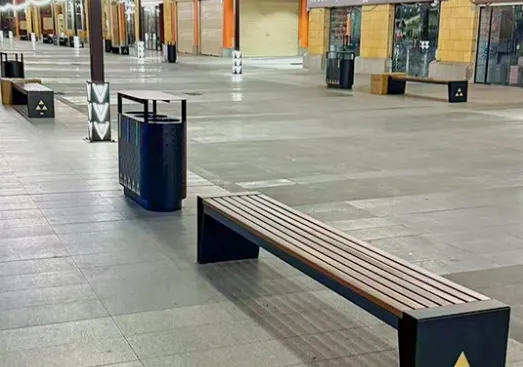
Installation should be considered before production. If the installation method is confirmed too late, the base design, holes, brackets, or packaging may need to be changed.
Installation Method | Suitable Scenario | Custom Details to Confirm |
Freestanding | Parks, commercial plazas, flexible layouts | Weight, base stability, anti-slip feet |
Surface-mounted | Streets, sidewalks, schools, municipal areas | Anchor holes, base plate, screw position |
Embedded | Long-term public projects | Embedded depth, foundation requirements |
Wall-mounted | Entrances, narrow spaces, corridors | Bracket design, capacity limitation |
Modular grouped | Recycling stations, campuses, commercial sites | Alignment, connection method, label system |
Accessibility and pedestrian flow should also be considered. The U.S. Access Board’s Public Right-of-Way Accessibility Guidelines address access to sidewalks, streets, crossings, curb ramps, and other public right-of-way components. For outdoor bin placement, the practical lesson is clear: bins should be easy to reach but should not block pedestrian movement or accessible routes.
Packaging customization is also important for export and bulk delivery. Buyers may need carton packaging, pallet packaging, plywood crates, protective film, corner protection, labeled cartons, or loading optimization for full-container shipments.
OEM vs ODM Trash Bins: Which Option Fits Your Project?
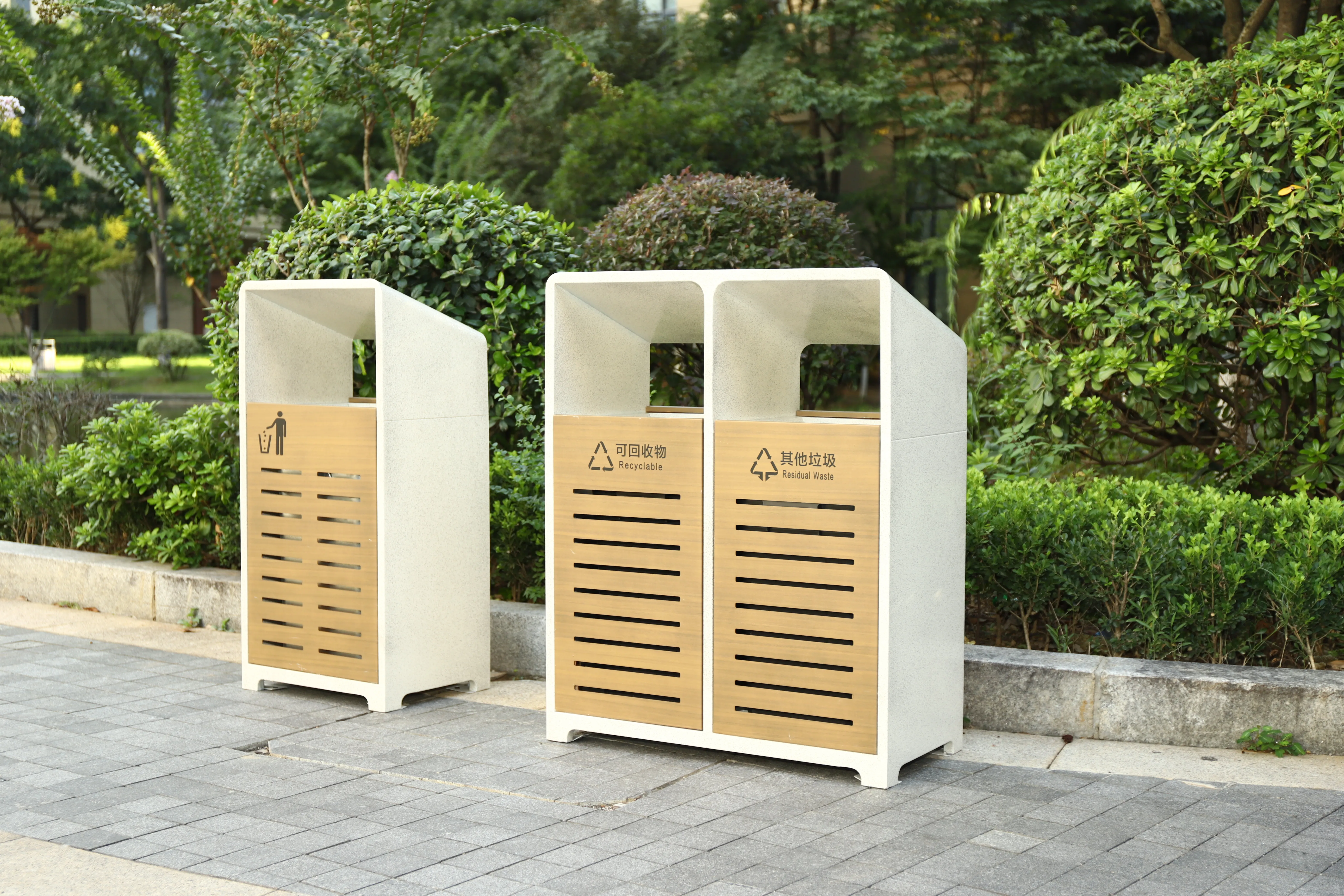
OEM and ODM are both common in custom street furniture procurement, but they are not the same.
Option | Meaning | Best For | Buyer Responsibility |
OEM trash bins | Buyer provides design, drawings, or brand requirements; factory produces accordingly | Distributors, brands, project contractors with existing design | Provide drawings, logo files, specifications, quantity |
ODM trash bins | Factory provides existing or developed design; buyer selects or modifies it | Buyers who need faster product development | Confirm style, size, color, material, branding |
Standard model customization | Existing model with changes in color, logo, size, labels, or finish | Faster project orders and lower development risk | Confirm customization range and sample approval |
Full custom development | New structure or new mold based on project requirements | Special tenders, unique commercial spaces, brand-specific products | Allow longer timeline and development cost |
For most public space projects, modifying an existing model is the most practical choice. It provides the benefits of customization while avoiding unnecessary development risk. Full custom development is better when the project has a unique design language, special dimensions, or tender requirements that cannot be met by standard products.
Custom Outdoor Trash Bin Production Process
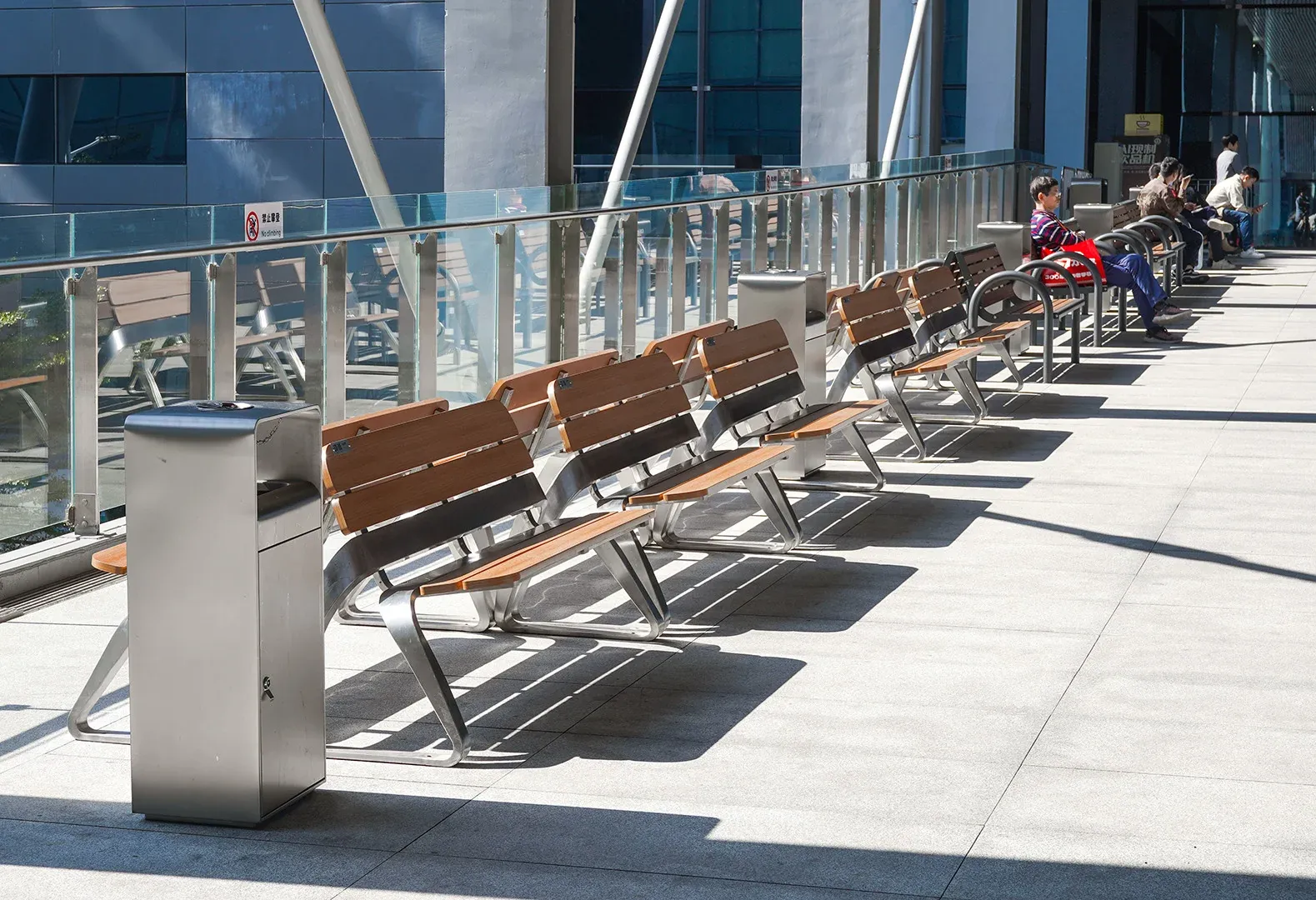
A reliable customization process reduces communication errors and improves batch consistency.
Step 1: Requirement Analysis
The buyer confirms the project scenario, product type, quantity, target budget, delivery timeline, local climate, installation method, and maintenance expectations.
Step 2: Specification Confirmation
The supplier confirms size, capacity, material, color, surface finish, logo method, sorting labels, door/lock design, ashtray requirement, inner liner, and packaging.
Step 3: Drawing or Product Proposal
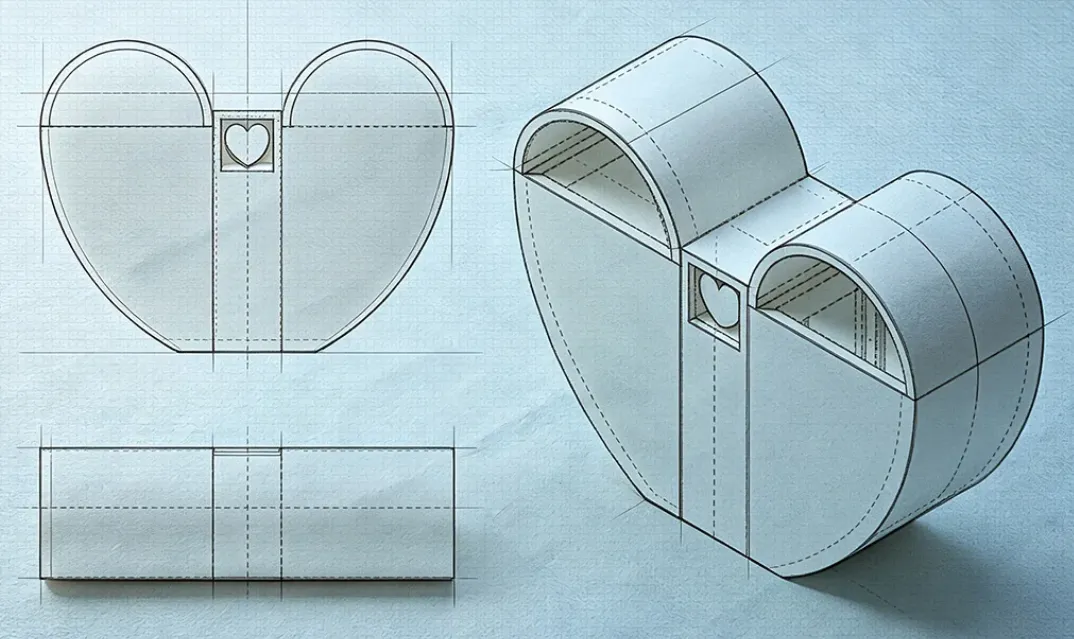
For simple customization, an existing model may be adjusted. For more complex projects, drawings or renderings may be needed before sampling.
Step 4: Sample or Pre-Production Sample
A sample confirms key details such as dimensions, color, finish, logo placement, opening design, welding, liner structure, and packaging.
Step 5: Batch Production
After sample approval, the factory proceeds with cutting, bending, welding, grinding, surface treatment, powder coating, assembly, inspection, and packaging.
Step 6: Quality Check and Delivery
Before shipment, the supplier should check dimensions, appearance, coating, assembly, stability, packaging, and order consistency.
LVEN’s service materials describe a project process covering requirement communication, solution confirmation, sampling, batch production and quality control, shipping support, and after-sales cooperation.
What Information Should Buyers Provide for a Quote?
A clear inquiry helps suppliers give a faster and more accurate quotation. For custom outdoor trash bins, buyers should prepare:
Information Needed | Example |
Project type | Park, street, commercial plaza, hotel, school, municipal project |
Product style | Modern, classic, wood-look, stainless steel, recycling station |
Quantity | 50 pcs, 200 pcs, container order |
Size or capacity | 40L, 60L, 80L, 100L, custom dimensions |
Material preference | Galvanized steel, stainless steel 304/316, aluminum, plastic wood |
Color | RAL code, standard color, brand color |
Logo file | AI, EPS, SVG, PDF, high-resolution PNG |
Sorting labels | General waste, recycling, paper, plastic, food waste |
Installation method | Freestanding, surface-mounted, embedded |
Inner bucket | Galvanized, stainless steel, powder-coated liner |
Surface finish | Powder coating, wood grain, brushed stainless, stone pattern |
Packaging | Carton, pallet, plywood crate, container loading |
Delivery destination | Country, port, warehouse, forwarder address |
Timeline | Sample deadline, project delivery date |
A vague request such as “send price for custom bins” usually leads to repeated communication. A complete inquiry helps the supplier recommend the right model, avoid wrong assumptions, and prepare a quote closer to the real project requirement.
How LVEN Supports Custom Trash Bin Projects?
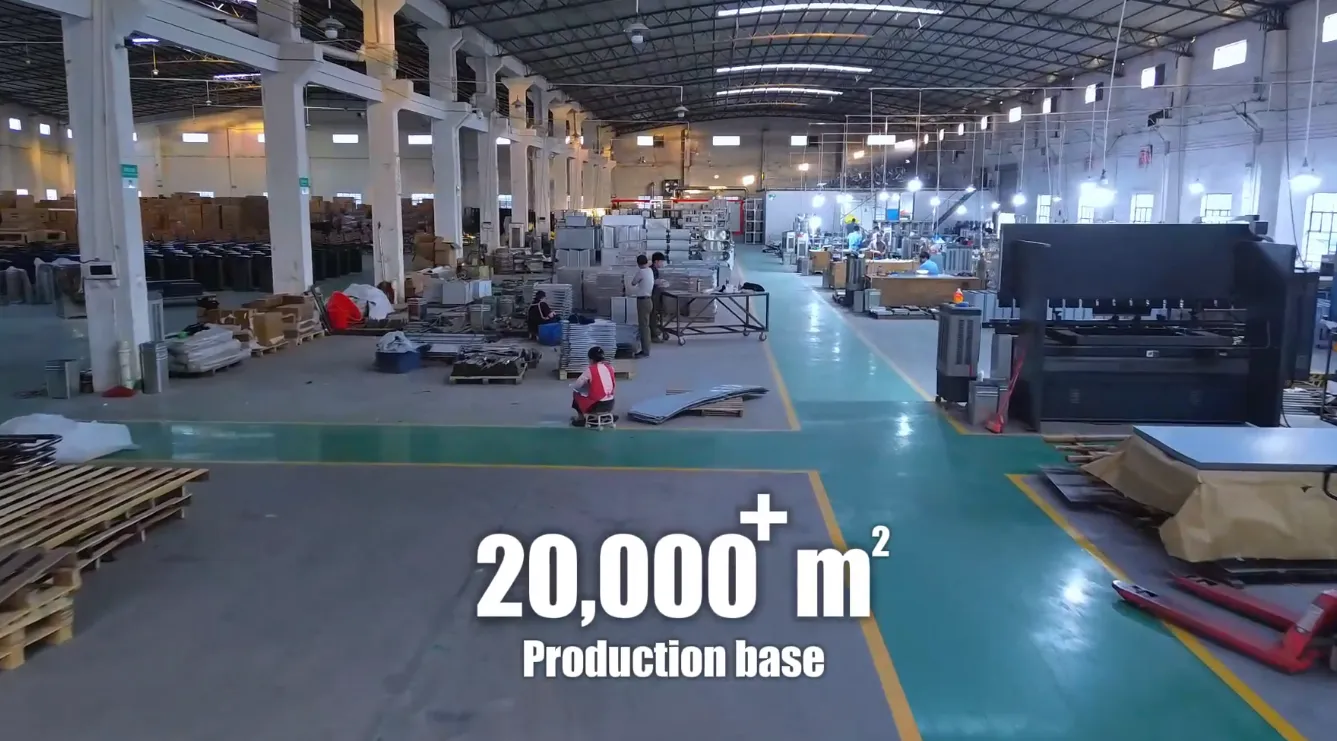
LVEN supports standard and customized urban furniture for public space projects. Its product range includes outdoor trash bins, recycling bins, single bins, dog trash bins, ashtrays, park benches, planters, tree benches, bicycle racks, and other public furniture products. This allows buyers to coordinate trash bins with other street furniture categories in the same project.
For custom trash bin projects, LVEN can support:
① Size and capacity customization
② Material selection for different environments
③ Outdoor powder coating and color customization
④ Logo and brand identity customization
⑤ Sorting labels and recycling bin design
⑥ Lock, door, liner, ashtray, and opening design
⑦ Standard model modification and OEM/ODM manufacturing
⑧ Project-based packaging and export coordination
⑨ Matching with benches, planters, bicycle racks, and other urban furniture
LVEN’s customization advantage is especially useful for distributors, contractors, municipal buyers, commercial developers, schools, hotels, parks, and scenic areas that need both product consistency and practical durability.
FAQ About Custom Outdoor Trash Bins
Can outdoor trash bins be customized with a logo?
Yes. Outdoor trash bins can be customized with a logo using silk screen printing, laser cutting, metal plates, stickers, or engraving. For best results, buyers should provide vector logo files such as AI, EPS, SVG, or PDF.
What is the best surface finish for outdoor trash cans?
Outdoor powder coating is commonly used for metal trash bins because it provides a durable and uniform finish. Stainless steel finishing, wood grain transfer, and stone pattern finishes can also be used depending on the project style.
Can the color match our project or brand?
Yes. Colors can usually be customized based on standard color cards, RAL codes, or project requirements. Providing a RAL number or approved physical sample helps reduce color difference.
What is the difference between OEM and ODM trash bins?
OEM trash bins are produced based on the buyer’s design, drawings, or brand requirements. ODM trash bins are based on the manufacturer’s existing or developed designs, which the buyer can select or modify.
Can recycling labels be customized?
Yes. Recycling labels, icons, color coding, opening shapes, and language versions can be customized. For international public spaces, simple icons are often more effective than text-only labels.
Can ashtrays be added to outdoor bins?
Yes. Some outdoor bins can include ashtray sections or cigarette disposal modules. This is useful for commercial streets, hotels, office parks, and designated smoking areas.
What should I provide before requesting a quote?
Buyers should provide quantity, size or capacity, application scenario, material, color, logo file, sorting label needs, installation method, surface finish, packaging requirements, destination, and project timeline.
Conclusion
Custom outdoor trash bins are not only about changing the appearance of a standard product. For public space projects, customization should improve usability, durability, cleaning efficiency, installation safety, visual consistency, and long-term maintenance.
The most important customization options include size, capacity, material, color, logo, sorting labels, locks, ashtrays, openings, liners, installation methods, surface finishes, and packaging. For buyers, the best results come from clear project information, early specification confirmation, sample approval, and choosing a supplier with both design and manufacturing capability.
LVEN supports custom trash bins with logo, OEM trash bins, ODM development, standard model modification, project-based production, and one-stop public furniture matching for parks, streets, commercial areas, schools, hotels, scenic spaces, and municipal projects.
Contents