What Is a Recycle Bin and How Does It Work?
 9
9  Share
Share
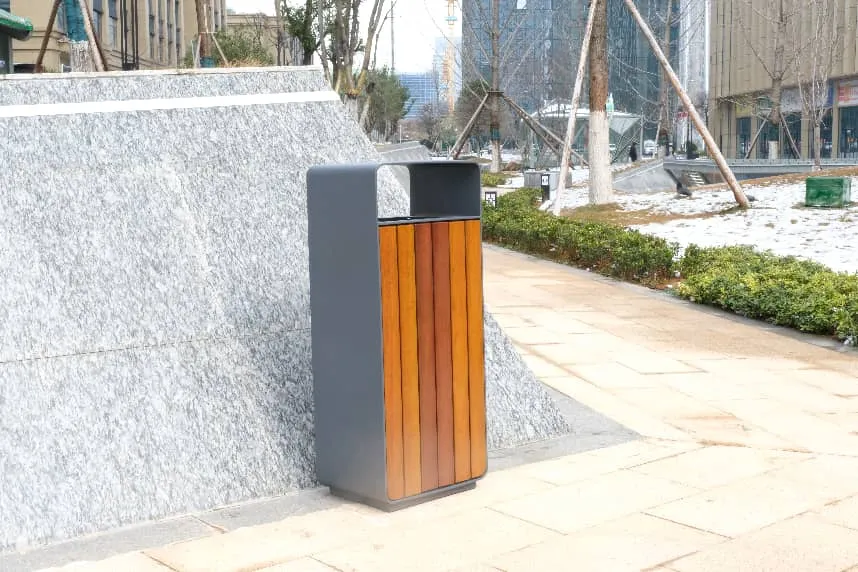
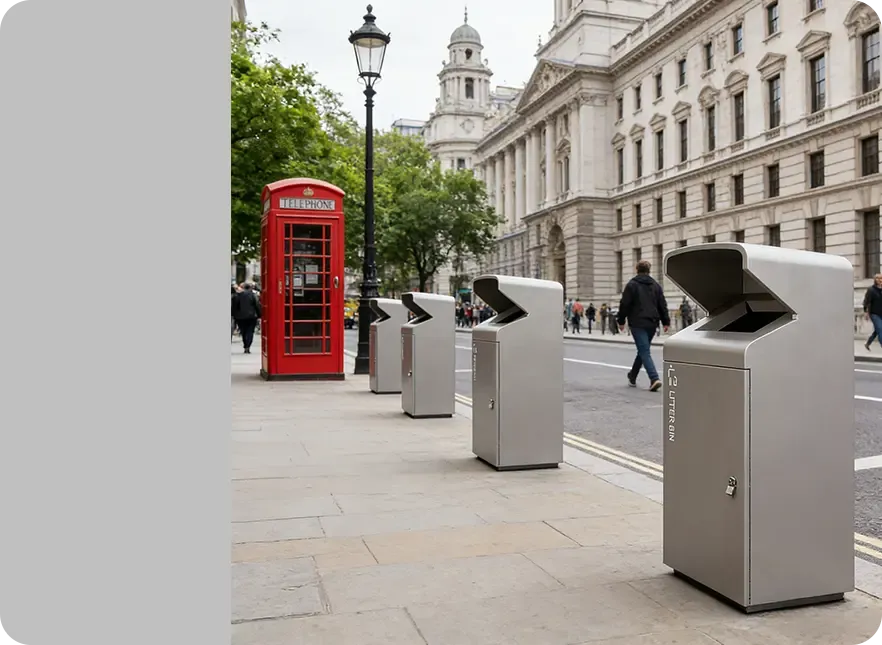
A recycle bin is a container designed to collect and separate recyclable materials such as paper, plastic, metal, and glass, allowing these materials to be processed and reused instead of being mixed with general waste.
Unlike ordinary trash containers, recycling bins are designed to support waste separation through clear identification, suitable capacity, and practical structures. In public environments such as parks, schools, commercial areas, and municipal spaces, choosing the right recycling solution requires considering not only appearance but also capacity, durability, user convenience, and long-term maintenance.
For project owners, distributors, and contractors, a suitable recycling system should match the actual application environment. LVEN provides outdoor recycling bins and customized recycling solutions for different public spaces, helping customers create more organized and efficient waste collection systems.
What Is a Recycle Bin Used For?
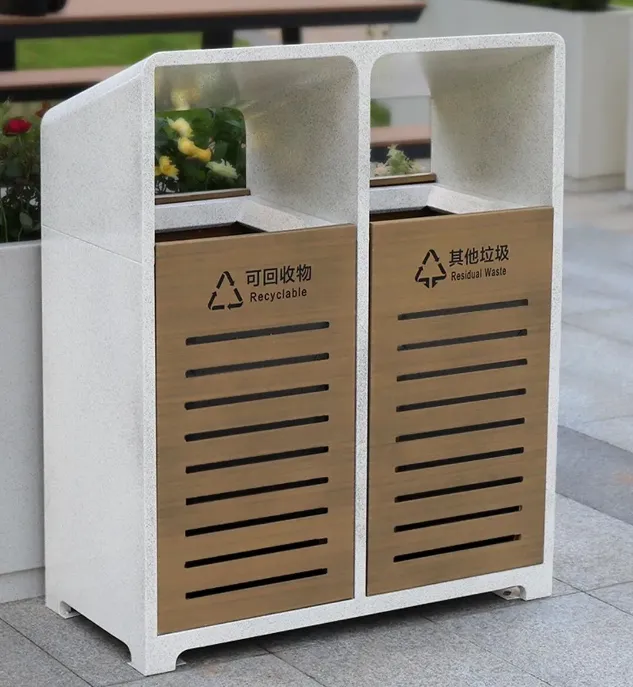
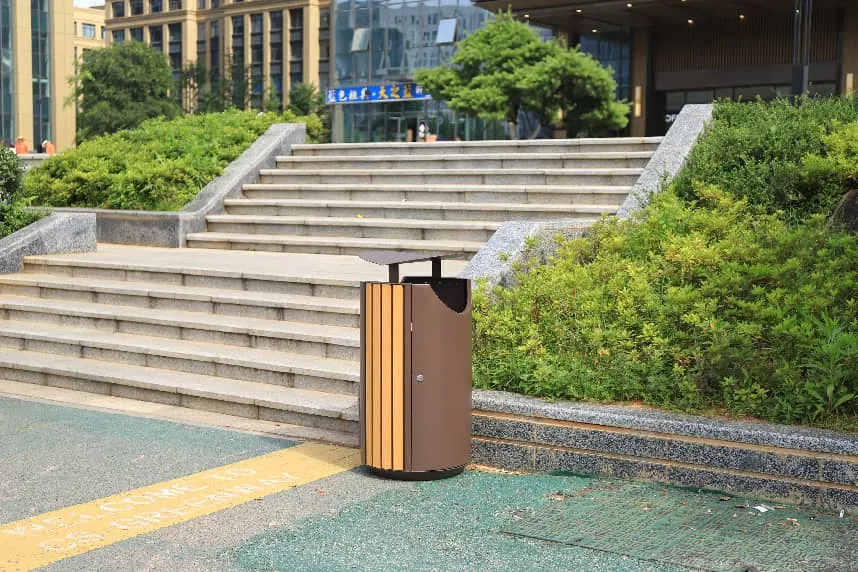
A recycle bin is mainly used to collect recyclable materials separately from general waste. Common recyclable items include paper, cardboard, plastic bottles, metal containers, and glass products, depending on local recycling requirements.
In public spaces, recycling bins help users classify waste at the disposal point, making later collection and processing more efficient. Compared with standard waste containers, recycling receptacles usually require clearer identification, stronger structures, and designs that support frequent daily use.
For commercial and public projects, recycling bins are not only waste collection products but also part of the overall environmental management system. Their design needs to consider user behavior, maintenance efficiency, and integration with surrounding facilities.
LVEN supplies recycling solutions for different applications, including parks, schools, commercial areas, streets, and public facilities. Products can be customized according to project requirements, including capacity, materials, colors, and compartment configurations.
How Does a Recycling Bin Work?
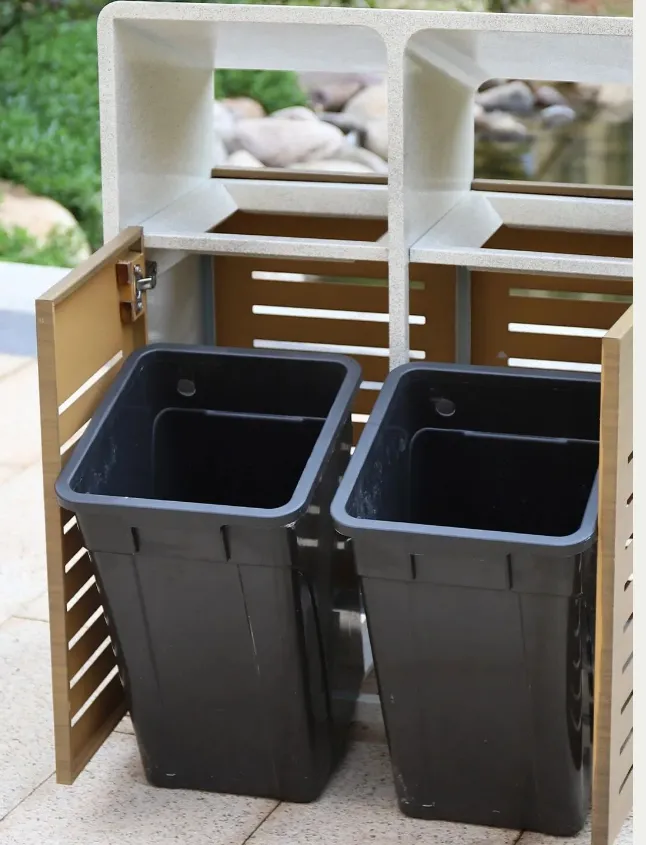
A recycling bin works by providing a dedicated collection point where users place recyclable materials separately according to different waste categories.
The basic recycling process includes:
| Step | Process |
|---|---|
| 1 | Users place recyclable materials into the correct recycling compartment |
| 2 | Collected materials are stored separately according to waste categories |
| 3 | Waste management teams collect and transport recyclable materials |
| 4 | Materials are processed and reused through recycling systems |
For public projects, effective recycling depends not only on placing bins in an area but also on making the sorting process easy for users. Clear labels, suitable colors, and compartment designs can improve waste classification efficiency.
For locations with multiple recycling requirements, a multi compartment recycling bin can provide separate collection areas for different materials. This type of solution is commonly used in schools, commercial spaces, and public facilities where organized waste separation is required.
LVEN supports different recycling structures, including single-compartment and multi-compartment designs, helping customers select suitable solutions based on application scenarios and waste management requirements.
What Is the Difference Between a Recycle Bin and a Regular Trash Bin?
The main difference between a recycle bin and a regular trash bin is their collection purpose. A recycle bin is designed for recyclable materials, while a regular trash bin is mainly used for general waste.
For public projects, separating these two functions helps improve waste management efficiency and encourages users to dispose of materials correctly.
| Feature | Recycle Bin | Regular Trash Bin |
|---|---|---|
| Main Purpose | Collect recyclable materials for sorting and reuse | Collect general waste that cannot be recycled |
| Typical Materials | Paper, plastic, metal, glass, and other recyclable items | Mixed waste and non-recyclable materials |
| Design Features | Often includes labels, recycling identification, and sorting compartments | Mainly focuses on general waste collection capacity |
| Common Applications | Schools, parks, commercial areas, public facilities, recycling stations | Residential areas, offices, streets, general waste points |
| Project Considerations | Requires sorting design, suitable capacity, and user guidance | Mainly considers capacity, durability, and maintenance |
For commercial applications, commercial recycling bins usually require higher durability and better design consistency because they are used frequently and need to match the surrounding environment.
LVEN develops both recycling and outdoor waste solutions, helping customers create coordinated public furniture systems for different applications.
What Types of Outdoor Recycling Bins Are Used for Public Projects?
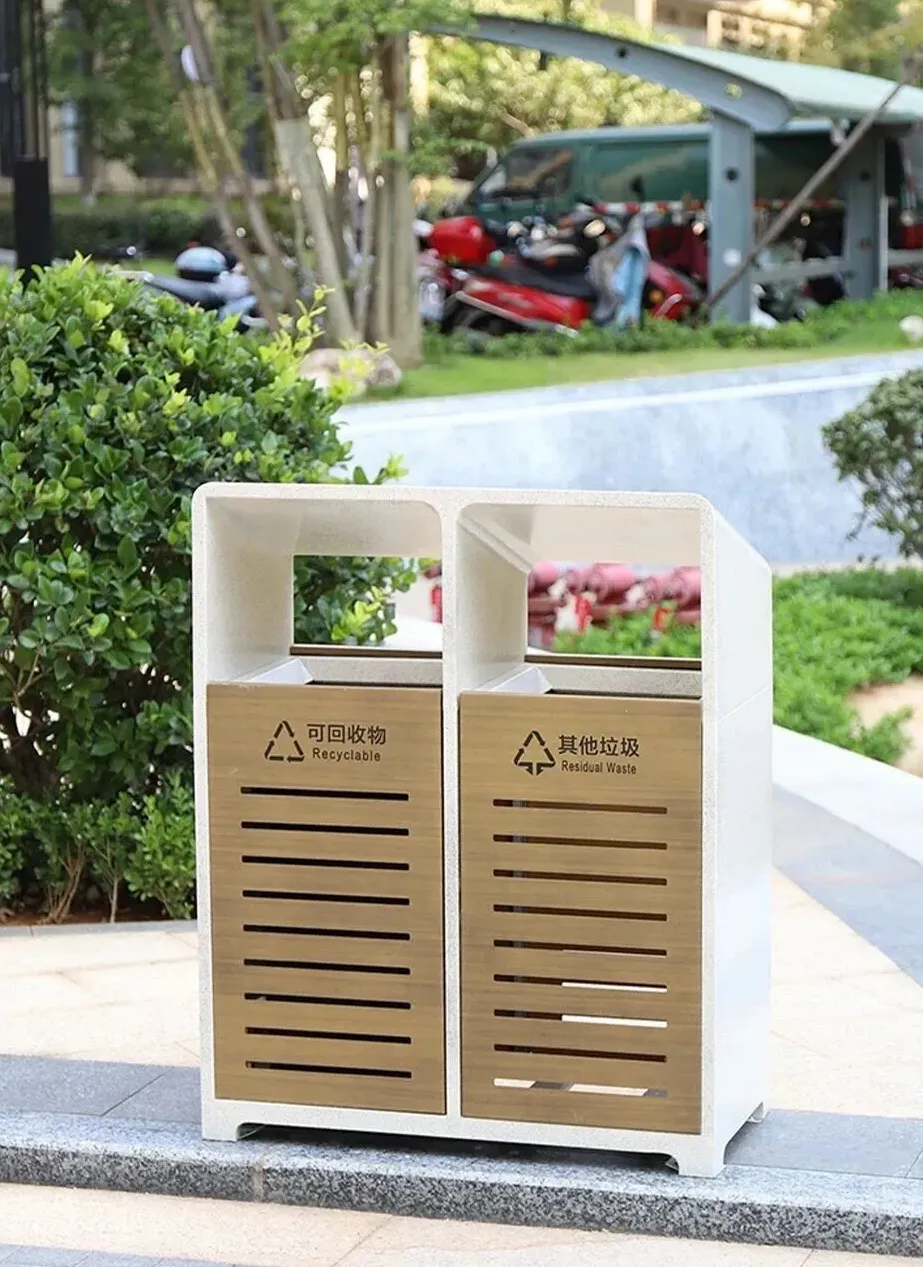
Different projects require different recycling bin structures depending on waste classification requirements, user volume, and installation conditions.
Common solutions include:
Single-Compartment Recycling Bins
Suitable for locations where one category of recyclable material is collected. These solutions are often used in smaller public spaces where simple recycling management is required.
Multi-Compartment Recycling Bins
A multi compartment recycling bin allows different waste categories to be collected separately. These solutions are commonly used in schools, commercial areas, transportation spaces, and public facilities where multiple recycling streams are required.
Customized Recycling Solutions
Large projects may require customized designs based on local regulations, site layout, branding requirements, or waste management systems.
LVEN provides outdoor recycling bins for different environments, supporting customized dimensions, structures, materials, and appearance designs according to customer requirements.
How to Choose the Right Recycling Bin for Commercial Projects?
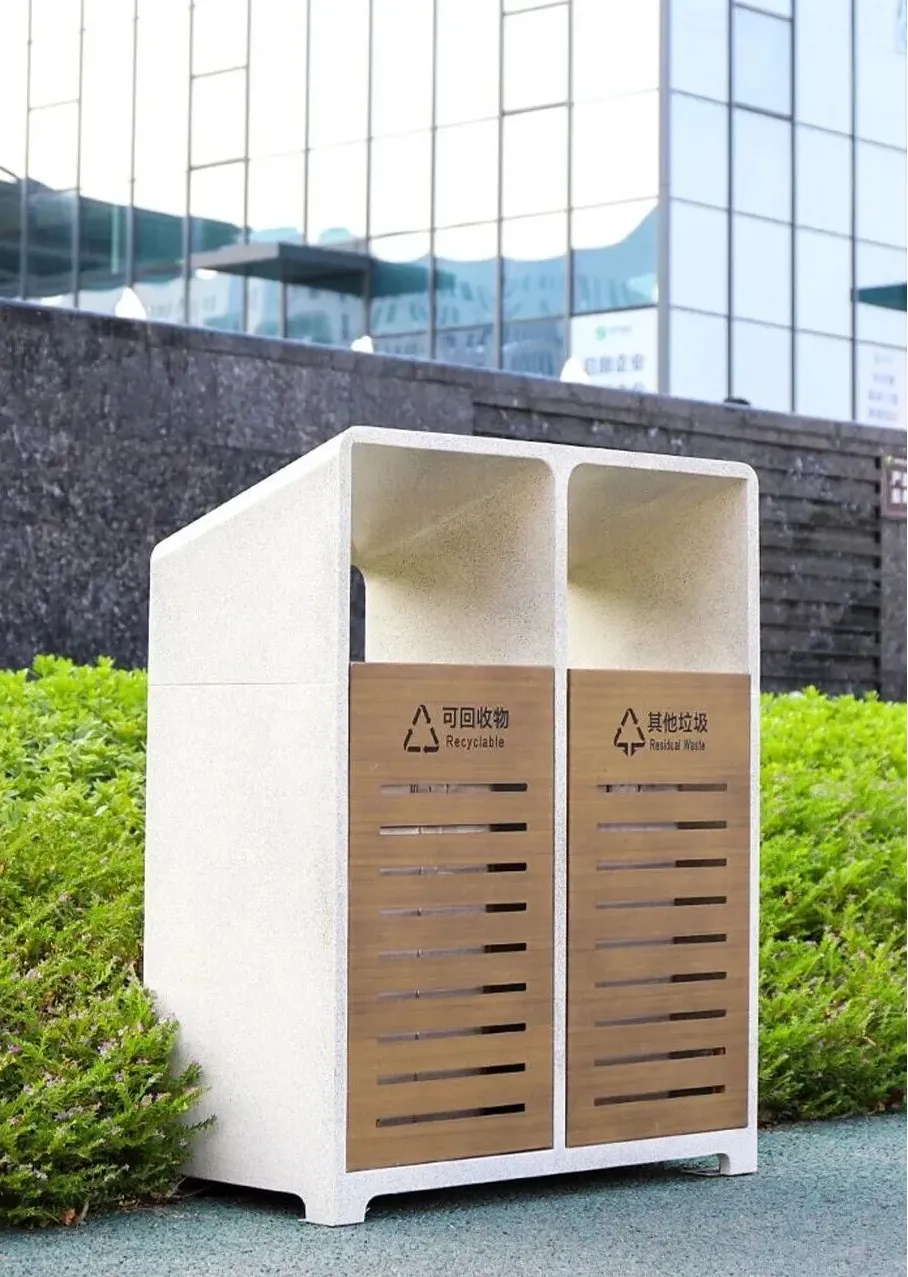
Choosing the right recycling bin for a commercial or public project requires evaluating more than product appearance. Buyers need to consider capacity, usage frequency, installation environment, and long-term maintenance requirements.
| Selection Factor | Why It Matters |
|---|---|
| User Traffic | High-traffic areas usually require larger capacity recycling bins to reduce emptying frequency |
| Waste Categories | Different recycling requirements may need single or multi-compartment designs |
| Installation Environment | Outdoor locations require durable materials and weather-resistant surface treatment |
| Capacity Requirements | The right size helps balance storage space and maintenance efficiency |
| Design Compatibility | Recycling bins should match surrounding public furniture and landscape design |
| Custom Requirements | Projects may require customized sizes, colors, structures, or branding |
For outdoor applications, material selection is especially important. Products need to withstand rain, sunlight, humidity, and frequent use.
LVEN uses materials such as galvanized steel, stainless steel, and other outdoor-grade materials for public furniture products. Through professional manufacturing processes, including cutting, welding, surface treatment, and quality inspection, LVEN ensures stable product performance for outdoor environments.
Why Choose LVEN for Outdoor Recycling Bin Solutions?
Choosing a recycling bin supplier is not only about purchasing a container. For distributors, contractors, and project owners, stable manufacturing capability, customization flexibility, and consistent quality are equally important.
LVEN specializes in urban public furniture solutions, including outdoor recycling bins, outdoor trash bins, park benches, flower boxes, and other public facilities.
The company integrates design, development, production, and service capabilities, supporting customers with standard products and customized solutions according to different project requirements.
For customers requiring customized recycling solutions, LVEN can adjust product dimensions, materials, colors, structures, and sorting configurations to match specific application needs.
By combining product design with manufacturing experience, LVEN helps global customers create practical and durable recycling systems for parks, commercial spaces, schools, and municipal projects.
Contents